Psychological manipulation is a subtle yet powerful force that can erode your confidence, relationships, and autonomy. Whether in personal relationships, workplaces, or social circles, manipulators use deceptive tactics to control others for their own gain. Recognizing these strategies is the first step toward reclaiming your power.
Thank you for reading this post, don't forget to subscribe!In this guide, we’ll break down 10 common manipulation techniques, how they work, and actionable tips to shield yourself from their effects. We’ll also explore why manipulators use these tactics, how techniques often overlap, and the long-term consequences of unchecked manipulation. Let’s dive in.


Why Do Manipulators Manipulate? Understanding Motivations
Before diving into the tactics, it’s helpful to understand why manipulators behave this way. While motivations vary, common drivers include:
- Control: A desire to dominate situations or people.
- Insecurity: Using manipulation to mask feelings of inadequacy.
- Fear of abandonment: Preemptively controlling others to avoid rejection.
- Narcissism: Prioritizing their needs and believing others exist to serve them.
- Learned behavior: Growing up in environments where manipulation was normalized.

Manipulators often lack healthy communication skills or emotional regulation, so they resort to covert tactics to get their needs met. Understanding this doesn’t excuse their behavior, but it helps you depersonalize their actions—it’s about them, not you.
10 Manipulation Techniques (and How to Fight Back)
1. Gaslighting: Making You Doubt Your Reality
“Did that really happen? Maybe I’m just overreacting…”
Gaslighting, as documented by Wikipedia, is a tactic where manipulators distort your perception of reality. They might deny events, twist facts, or dismiss your feelings, leaving you questioning your memory or sanity.
Example:
A partner insists they never criticized your appearance, even though you vividly remember the hurtful comment. Over time, you start believing you “misheard” them.

How to Protect Yourself:
- Keep a journal to document events and conversations.
- Trust your instincts—if something feels off, it probably is.
- Seek support from trusted friends or therapists to validate your experiences.
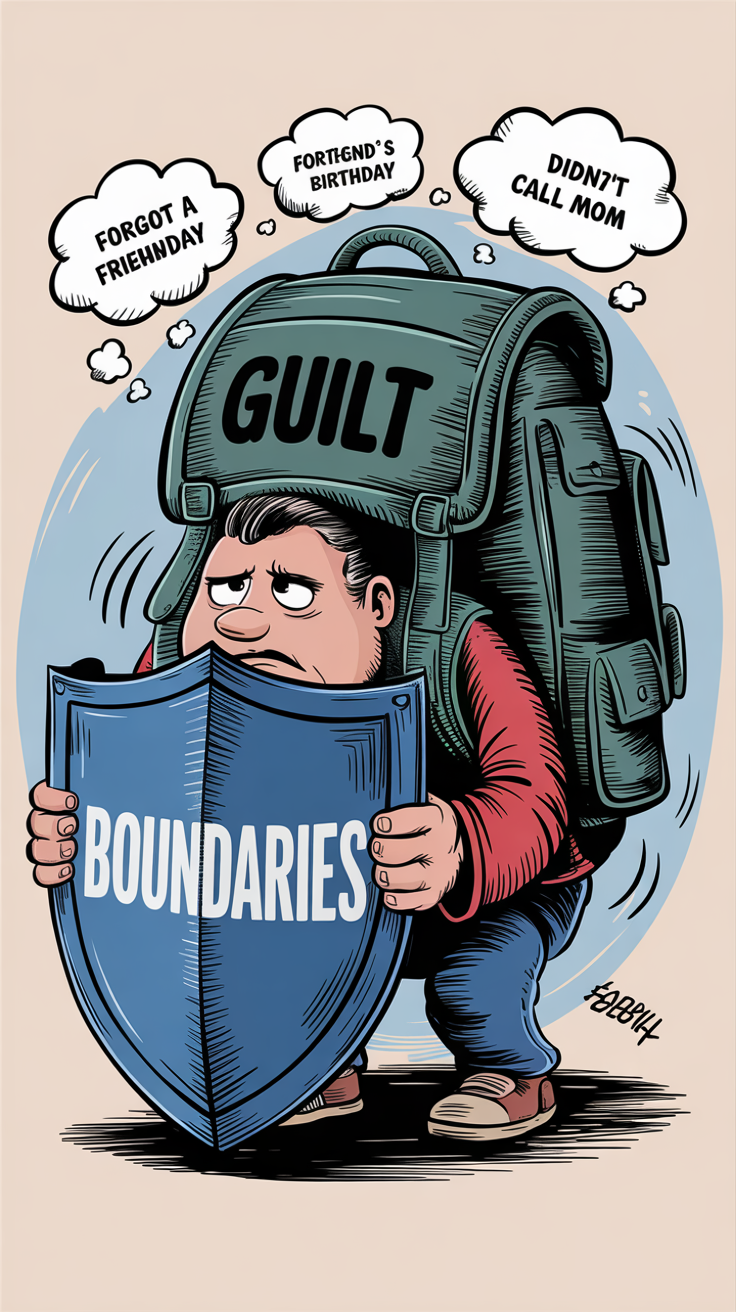
2. Guilt-Tripping: Exploiting Your Sense of Responsibility
“If you loved me, you’d do this for me.”
The Bay Area CBT Center explains that guilt-tripping involves weaponizing your empathy. Manipulators use phrases designed to make you feel selfish or uncaring unless you comply with their demands.
Example:
A friend says, “I guess I’ll just handle this alone,” after you decline to lend them money—again.
How to Protect Yourself:
- Recognize emotional blackmail.
- Set boundaries: “I care about you, but I can’t help this time.”
- Practice self-compassion; saying “no” doesn’t make you a bad person.
3. Love Bombing: Overwhelming You With Affection
“You’re perfect. I’ve never felt this way before!”
Love bombing involves excessive flattery, gifts, or attention to create dependency. Once you’re hooked, the manipulator withdraws affection to control you.
Example:
A new romantic partner declares undying love within weeks, then becomes cold and critical once you’re committed.

How to Protect Yourself:
- Take relationships slowly; genuine connections develop over time.
- Watch for inconsistency between words and actions.
- Stay grounded—ask yourself if the intensity feels natural.
4. Playing the Victim: Dodging Accountability
“After all I’ve been through, how could you say that?”
Manipulators often exaggerate hardships to avoid responsibility. By painting themselves as victims, they redirect focus from their actions to their (real or imagined) suffering.
Example:
A coworker misses a deadline and claims, “I’ve been so stressed with my divorce,” to deflect criticism.

How to Protect Yourself:
- Acknowledge their feelings but stay focused on the issue: “I’m sorry you’re struggling, but the project still needs attention.”
- Avoid getting sidetracked by emotional appeals.
5. Projection: Accusing Others of Their Own Flaws
“You’re so manipulative!”
Projection involves attributing one’s negative traits or actions to others. For example, a liar accusing you of dishonesty.
Example:
A parent who constantly criticizes your life choices might snap, “You’re so judgmental!” when you ask about their habits.

How to Protect Yourself:
- Stay calm: “I’m not sure why you’re saying that. Let’s discuss the real issue.”
- Reflect on whether their accusations mirror their behavior.
6. Silent Treatment: Punishing Through Silence
The silent treatment is a passive-aggressive tactic to induce anxiety. By ignoring you, manipulators force you to “fix” the problem—often by conceding to their demands.
Example:
After a disagreement, your partner stops speaking to you for days until you apologize, even if they were wrong.

How to Protect Yourself:
- Don’t chase their approval; focus on your own well-being.
- Communicate clearly: “I’m here to talk when you’re ready.”
7. Triangulation: Creating Drama With a Third Party
“Even [Name] thinks you’re being unreasonable.”
Triangulation involves bringing a third person into conflicts to sow doubt or jealousy. Manipulators use this to destabilize relationships and maintain control.
Example:
Your friend mentions, “Sarah said you’ve been talking behind my back,” even if Sarah never did.

How to Protect Yourself:
- Verify information directly with the third party.
- Address the manipulator: “Let’s resolve this between us.”
8. Mirroring: Faking Connection to Gain Trust
“We have so much in common!”
As explained by Vocal, mirroring involves copying your behavior to create a false sense of kinship. Once trust is built, the manipulator exploits it.
Example:
A colleague adopts your hobbies and speech patterns, then asks you to cover their mistakes at work.

How to Protect Yourself:
- Notice if the bond feels rushed or too perfect.
- Be cautious of people who agree with everything you say.
9. Future Faking: Empty Promises for Present Gain
“Once we get married, things will be perfect.”
Future faking, as noted by the New York Post, involves dangling false commitments (e.g., promotions, marriage) to keep you invested. The manipulator never intends to follow through.
Example:
A boss promises a raise “next quarter” to extract extra work—but the raise never materializes.

How to Protect Yourself:
- Look for patterns: Do their promises align with past actions?
- Set deadlines: “If X doesn’t happen by [date], I’ll need to reconsider.”
10. Diversion and Evasion: Dodging the Truth
“Why are you focusing on that? What about [something else]?”
Manipulators use diversion tactics to avoid accountability. They’ll change the subject, deflect blame, or overwhelm you with irrelevant details.
Example:
When confronted about lying, a friend snaps, “You’re always so negative! Remember when you messed up?”

How to Protect Yourself:
- Politely redirect: “Let’s stay on topic.”
- Keep conversations focused and fact-based.
How Manipulation Tactics Overlap
Manipulators rarely use one tactic in isolation. Instead, they layer techniques to maximize confusion and control. For example:
- Gaslighting + Guilt-Tripping:
“You’re imagining things. After everything I’ve done for you, how can you accuse me?”
Here, the manipulator denies your reality and frames you as ungrateful. - Love Bombing + Future Faking:
Overwhelming affection paired with empty promises (e.g., “We’ll get married someday!”) keeps victims hooked on potential rather than reality.

Recognizing these combinations helps you spot manipulation faster. Ask yourself: Is this person using multiple tactics to keep me off-balance?
The Long-Term Effects of Manipulation
Repeated exposure to manipulation can leave deep psychological scars, including:
- Anxiety and Hypervigilance: Constantly second-guessing yourself or fearing backlash.
- Low Self-Esteem: Internalizing the manipulator’s criticism or gaslighting.
- Trust Issues: Struggling to believe others’ intentions are genuine.
- Emotional Exhaustion: The mental toll of navigating mind games.
- CPTSD Symptoms: In severe cases, victims may develop complex trauma from prolonged emotional abuse.

These effects underscore why early recognition and boundary-setting are critical. Healing often requires:
- Therapy to rebuild self-trust (e.g., CBT or trauma-focused approaches).
- Cutting ties with toxic individuals when possible.
- Surrounding yourself with affirming, respectful relationships.
Final Thoughts: Empowerment Through Awareness
Manipulators thrive in the shadows of confusion and self-doubt. By understanding these 10 tactics, their motivations, and their long-term harm, you’re already arming yourself against their influence. Remember:

- Trust your intuition. If something feels manipulative, it likely is.
- Set boundaries. Healthy relationships respect your “no.”
- Seek support. Therapists, counselors, or support groups can help you rebuild confidence.
Share this guide to help others spot manipulation, and comment below with your experiences. Together, we can foster relationships built on trust—not control.
By staying informed and proactive, you can navigate relationships with clarity and confidence. 💪
Additional Resources:
- In Sheep’s Clothing by George K. Simon (book on covert manipulation).


- The National Domestic Violence Hotline (for emotional abuse support).
- Psychology Today’s therapist directory (to find professional help).
💬 We Want to Hear From You!
Have you encountered any of these manipulation tactics? How did you handle it? Share your story or tips in the comments below—your experience could help someone else spot red flags and reclaim their power.
👉 Together, we can build a community of awareness and resilience. Don’t forget to share this guide with friends or family who might need it!