Let me guess—you’re exhausted by 3 PM, your skin’s acting up despite that expensive 10-step routine, and your jeans feel tighter even though you’re “eating healthy.” Maybe your cycle’s irregular, your mood swings are exhausting, or you wake up tired no matter how much sleep you get.
Thank you for reading this post, don’t forget to subscribe!Sound familiar?
Here’s what nobody tells you: Your hormones, skin, energy, and mood are all being controlled by what’s on your plate. But not in the restrictive, diet-culture way you’ve been sold. This is about adding the RIGHT foods that make you feel incredible—glowing skin, stable energy, balanced hormones, and a body that actually works WITH you, not against you.
Women’s bodies are biochemically different from men’s. Our hormones fluctuate throughout the month. Our skin is more reactive to inflammation. Our energy demands are unique. Yet most nutrition advice is still based on male physiology, leaving us depleted, bloated, and frustrated.
The good news? You can balance your hormones naturally through strategic nutrition—no calorie counting, no restriction, just real food that delivers real results.
In this comprehensive guide, I’ll share:
- The science behind why women need different nutrition
- 7 signs your hormones need support
- 20+ power ingredients for hormone balance, glowing skin, and all-day energy
- Foods that disrupt your endocrine system (and what to eat instead)
- Natural remedies that actually work
- The “Glow Plate” Method for building every meal
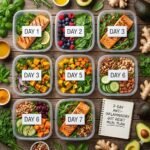
- A complete 7-day hormone-balancing meal plan using 30 curated recipes
This isn’t just theory—these are the exact strategies I used to reverse my own adrenal fatigue, clear hormonal acne, and reclaim my energy after years of crash diets and burnout. Now I feel better than ever, and I want to help you do the same.
Ready to eat your way to your best self? Let’s dive in.
Jump Links
- What is Hormone Balance?
- 7 Signs Your Hormones Need Support
- Best Foods for Hormone Balance
- Foods That Disrupt Hormones
- Natural Remedies for Hormone Balance
- Lifestyle Changes for Better Hormones
- 7-Day Hormone-Balancing Meal Plan
- Hormone Balance FAQs
What is Hormone Balance (And Why It Matters for Women)
Hormone balance isn’t just about PMS or fertility—it’s the master control system for every function in your body. Your hormones are chemical messengers that regulate metabolism, energy production, stress response, sleep quality, skin health, and even your mood.
The Female Hormonal Landscape
Women operate on a complex hormonal rhythm involving estrogen, progesterone, cortisol, insulin, and thyroid hormones. Unlike men’s relatively steady hormone levels, ours fluctuate throughout our menstrual cycle, requiring different nutritional support during each phase.
- Estrogen dominates the first half of your cycle (follicular phase), supporting energy, skin elasticity, and mood. Too much causes bloating and irritability; too little causes dryness and fatigue.
- Progesterone rises in the second half (luteal phase), promoting calm and sleep. Low levels lead to anxiety, insomnia, and PMS.
- Cortisol, your stress hormone, affects every other hormone. When chronically elevated (hello, modern life), it depletes progesterone and disrupts blood sugar, causing belly fat and cravings.
- Insulin manages blood glucose. Poor insulin sensitivity leads to the dreaded 3 PM crash, weight gain around the midsection, and eventually PCOS.
The Gut-Skin-Hormone Connection
Here’s where it gets interesting: 70% of your immune system lives in your gut, and your gut microbiome helps metabolize estrogen. When your gut is inflamed (from processed foods, stress, or antibiotics), it creates estrogen dominance or deficiency—showing up as breakouts, irregular periods, and mood swings .
Meanwhile, unstable blood sugar creates cortisol spikes, which steal resources from progesterone production. This is why you crave sugar before your period and why balancing your plate prevents PMS.
Why Standard Nutrition Advice Fails Women
Most diet research focuses on male physiology. Intermittent fasting that works for your husband? It might tank your thyroid. The high-intensity workouts he loves? They could be elevating your cortisol and halting ovulation.
Women need steady fuel, not starvation. We need nutrients that support the luteal phase’s higher caloric needs. We need to manage blood sugar to prevent hormonal chaos.
Understanding this is the first step toward working with your biology instead of against it.
7 Signs Your Hormones Need Healing
Your body sends signals when your endocrine system is struggling. Don’t ignore these warning signs:
1. The 3 PM Energy Crash
If you’re reaching for caffeine or sugar every afternoon, your blood sugar and cortisol are dysregulated. Healthy hormones provide steady energy from morning to night without the dramatic dips.
2. Persistent Bloating or Weight Gain (Especially Around the Middle)
Stress-induced cortisol and insulin resistance often manifest as stubborn belly fat that won’t budge with exercise. If you’re gaining weight despite “eating clean,” your hormones need attention.
3. Hormonal Acne (Jawline and Chin)
Breakouts that appear consistently before your period or concentrate along the jaw indicate androgen excess or estrogen imbalance. Topical products can’t fix what starts internally .
4. Irregular or Painful Periods
Missing periods, heavy bleeding, or severe PMS aren’t normal—they’re messages. Progesterone deficiency often causes anxiety and insomnia in the week before menstruation.
5. Brain Fog and Poor Concentration
Can’t remember why you walked into a room? Estrogen supports cognitive function and neurotransmitter activity. When it’s low or imbalanced, mental clarity suffers.
6. Intense Sugar and Carb Cravings
Craving chocolate or bread isn’t lack of willpower—it’s often magnesium deficiency or blood sugar dysregulation signaling your body to seek quick energy.
7. Sleep Disturbances
Waking at 3 AM or struggling to fall asleep indicates cortisol rhythm disruption. Progesterone naturally calms the nervous system; when low, sleep becomes elusive.
If you’re experiencing these symptoms, start with my Anti-Inflammatory Recipes for Hormonal Health to reduce inflammation quickly.
20 Best Foods for Hormone Balance
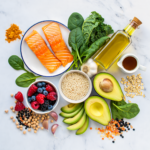
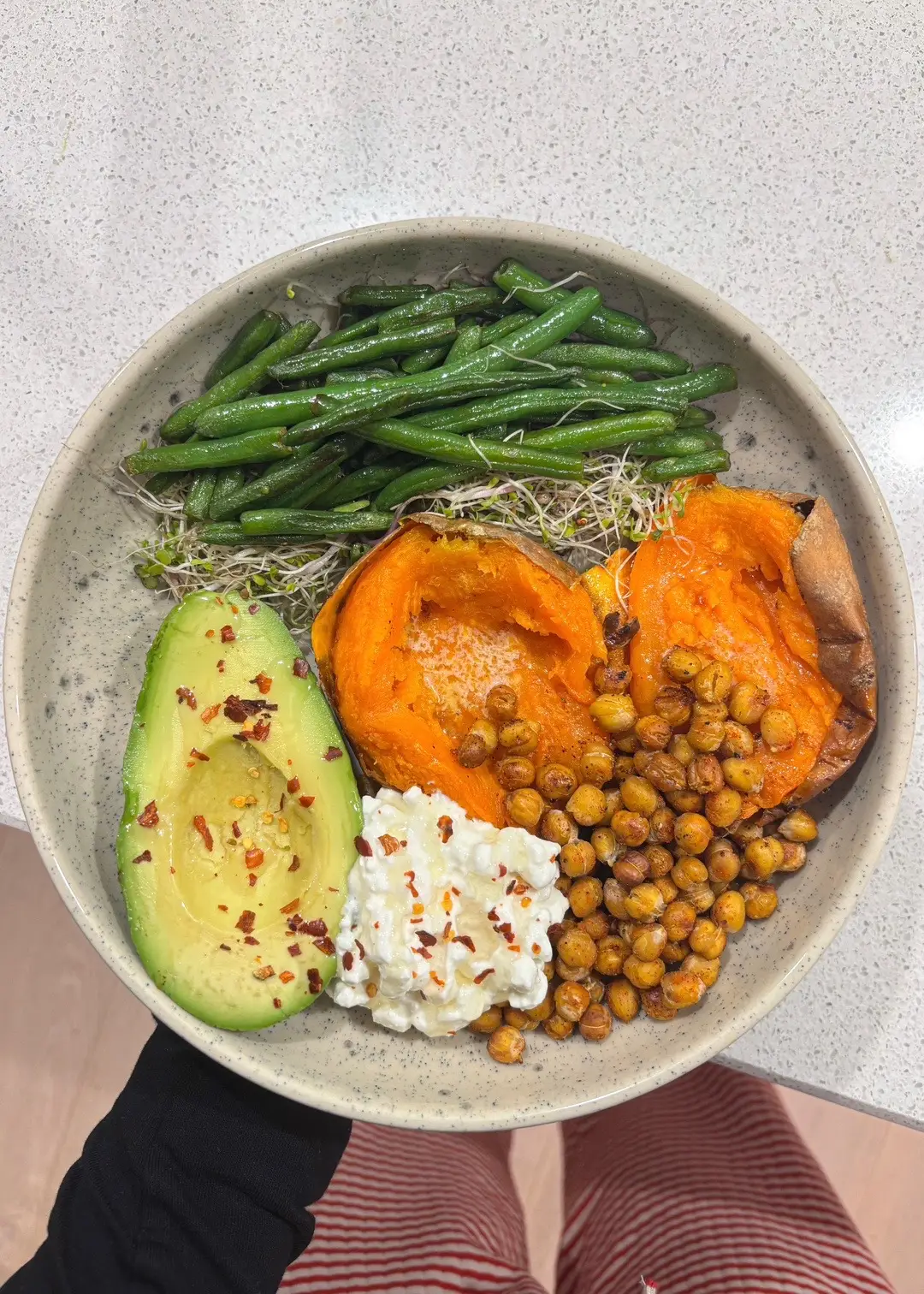
Build your grocery list around these categories using the “Glow Plate” Method (30% vegetables, 25% protein, 25% complex carbs, 20% healthy fats):
Cruciferous Vegetables (Estrogen Detox)
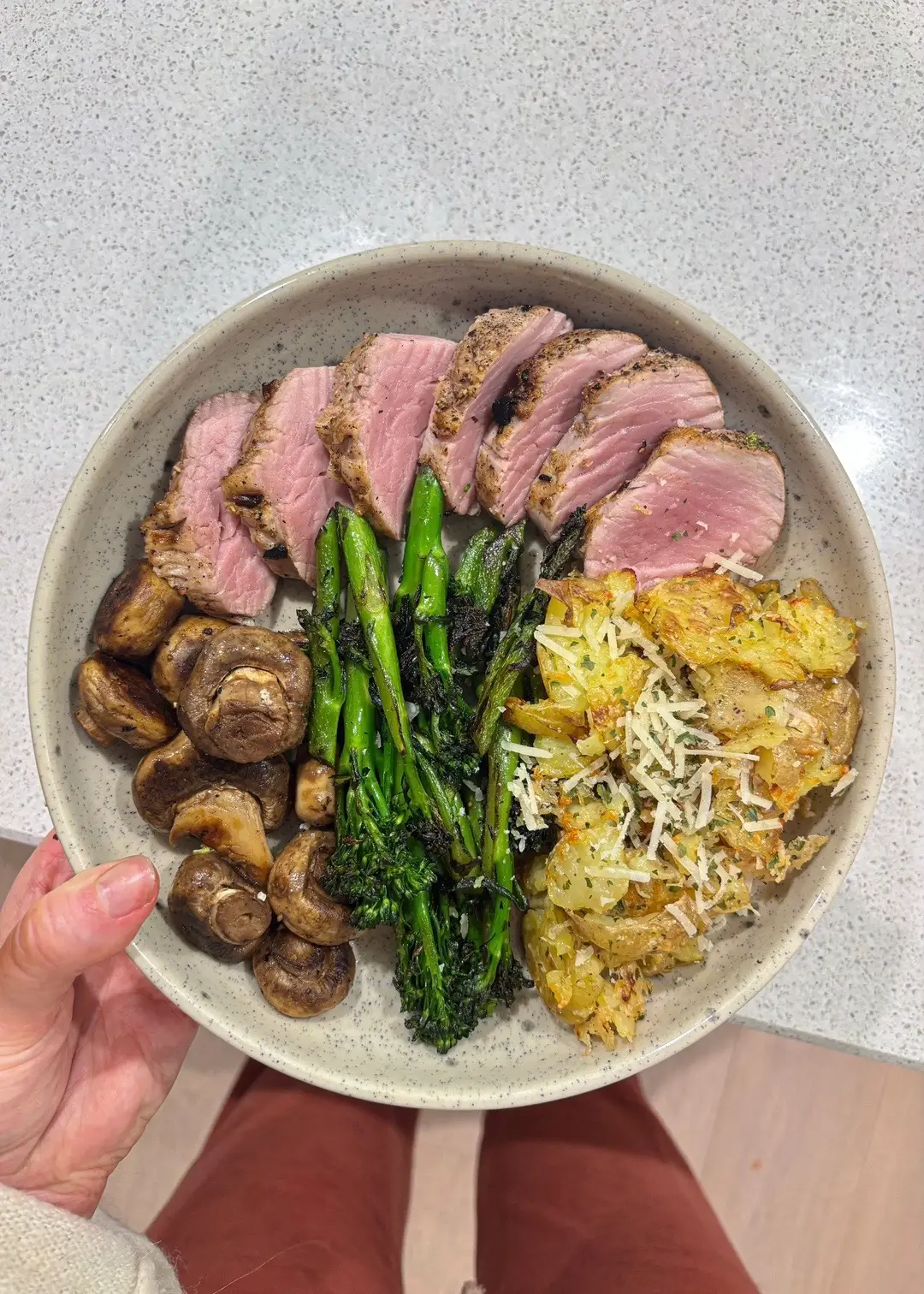
1. Broccoli & Cauliflower – Contain DIM and sulforaphane, which help the liver metabolize excess estrogen. Roast with olive oil or add to stir-fries. Link to roasted veggie recipe
2. Kale & Brussels Sprouts – Packed with fiber and compounds that support Phase 1 and Phase 2 liver detoxification, crucial for hormone clearance.
Healthy Fats (Hormone Building Blocks)
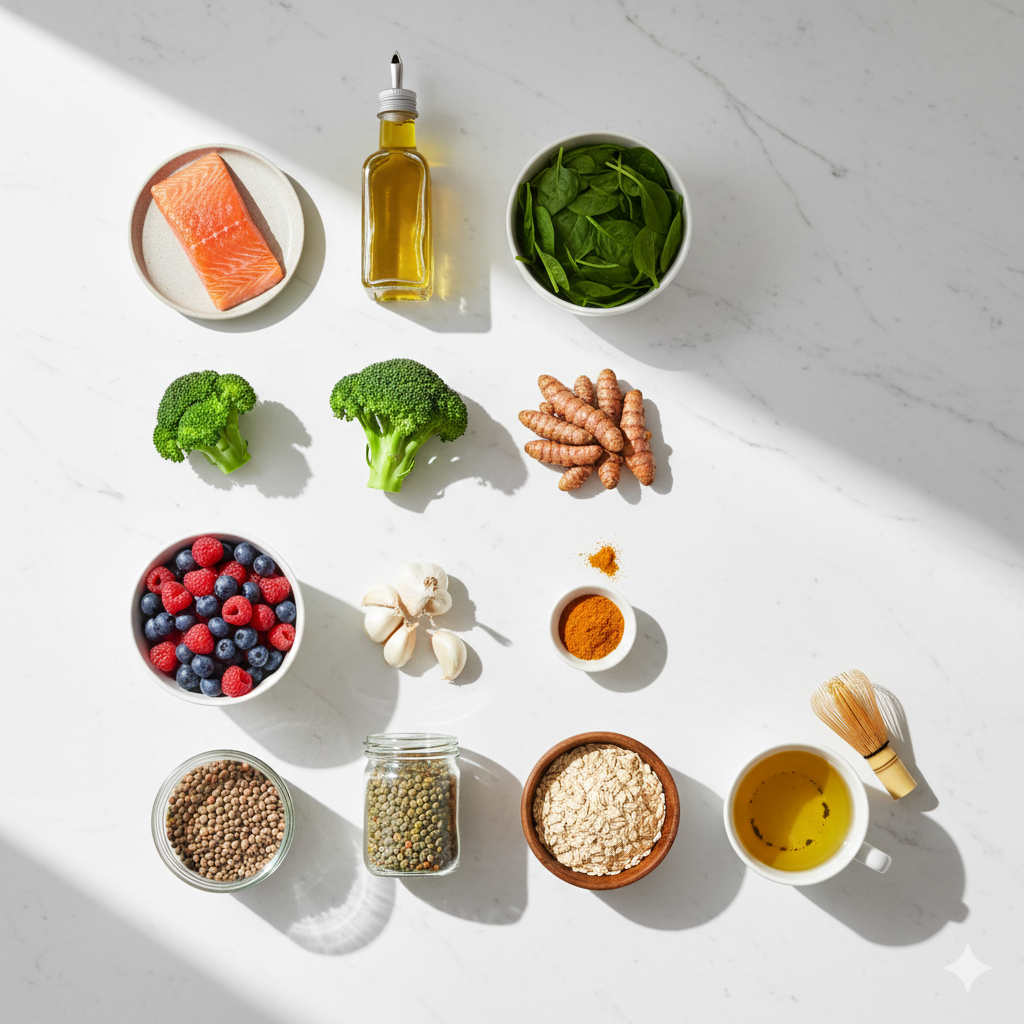
3. Avocado – Rich in beta-sitosterol that helps balance cortisol and supports progesterone production. The monounsaturated fats also nourish skin cell membranes.
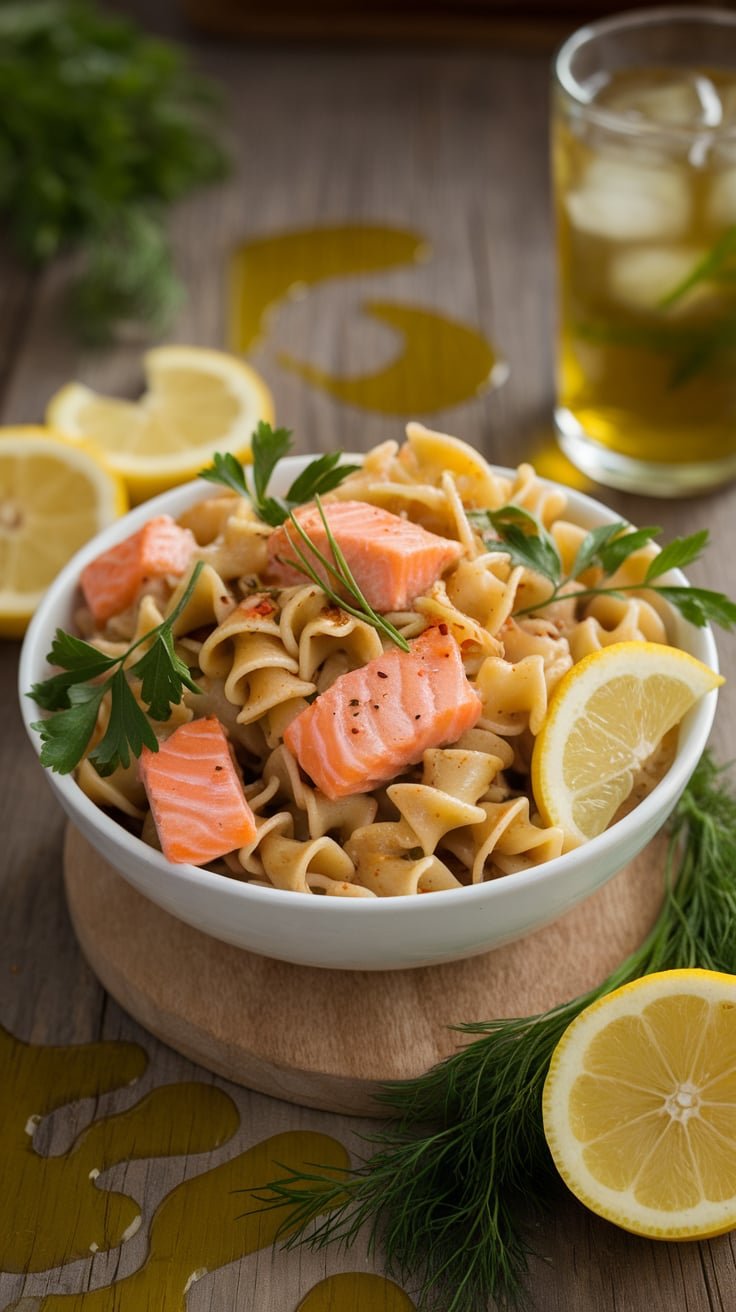
4. Wild Salmon – Provides omega-3 fatty acids (EPA/DHA) that reduce inflammation, support thyroid function, and create the building blocks for steroid hormones.
5. Pumpkin Seeds – Contain zinc for progesterone production and phytoestrogens that help modulate estrogen levels naturally.
Quality Proteins (Blood Sugar Stability)
6. Pasture-Raised Eggs – Complete protein plus choline for liver health and vitamin D for thyroid support. The perfect hormone-balancing breakfast.
7. Organic Chicken & Turkey – Lean proteins that provide tryptophan (precursor to serotonin) without the inflammatory compounds found in conventional meats.
8. Lentils – Plant-based iron and fiber that stabilize blood sugar and support estrogen metabolism through gut health.
Complex Carbohydrates (Energy & Fiber)
9. Sweet Potatoes – Complex carbs rich in vitamin B6, which helps reduce PMS symptoms and supports progesterone levels.
10. Quinoa – Complete plant protein plus magnesium to reduce cortisol and support sleep quality.
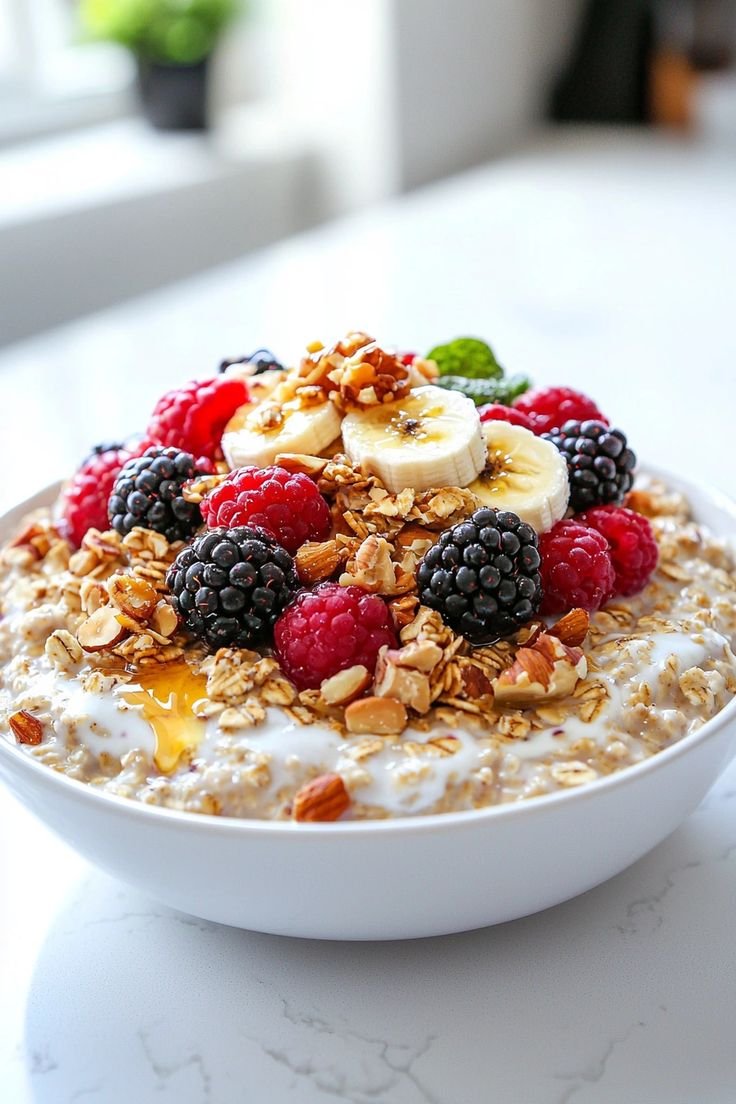
11. Oats – Beta-glucan fiber removes excess estrogen through the digestive tract and prevents blood sugar spikes.
Skin-Supporting Antioxidants
12. Berries (Blueberries, Raspberries) – High in vitamin C for collagen synthesis and polyphenols that reduce inflammation-driven acne.
13. Dark Chocolate (70%+) – Magnesium-rich to reduce cortisol and satisfy cravings; flavonoids improve blood flow to the skin.
14. Citrus Fruits – Vitamin C is essential for converting cholesterol into progesterone, making it crucial for the luteal phase.
Gut-Healing Foods (Estrogen Metabolism)
15. Flax Seeds – Lignans bind to excess estrogen and help eliminate it; also contain phytoestrogens that modulate levels.
16. Greek Yogurt & Kefir – Probiotics support the estrobolome (gut bacteria that metabolize estrogen) and reduce bloating.
17. Sauerkraut & Kimchi – Fermented foods increase bacterial diversity, improving hormone clearance and reducing inflammation.
Adaptogenic & Supportive Herbs
18. Maca Root – Supports the hypothalamic-pituitary-adrenal axis and has been shown to improve libido and energy in women.
19. Ginger – Anti-inflammatory properties reduce menstrual pain and support digestion.
20. Green Tea – Contains L-theanine to lower cortisol and EGCG to support liver detoxification pathways.
7 Foods That Disrupt Your Hormones
Just as important as what you add is what you remove. These foods create inflammation, spike insulin, and burden your liver:
1. Processed Sugars and High-Fructose Corn Syrup
Sugar spikes insulin, which increases androgens (male hormones) and triggers PCOS symptoms. It also depletes magnesium and B vitamins needed for hormone production. Skip the white sugar; use dates or maple syrup sparingly instead.
2. Industrial Seed Oils (Canola, Soybean, Corn)
These omega-6 heavy oils create inflammation at the cellular level, making hormone receptors less sensitive. They’re found in most processed foods and restaurant meals.
3. Non-Organic Dairy (if sensitive)
Conventional dairy contains synthetic hormones and antibiotics that disrupt your microbiome and introduce exogenous estrogens. If you consume dairy, choose organic, grass-fed, or eliminate for 30 days to test sensitivity.
4. Gluten (for sensitive individuals)
Gluten can trigger zonulin production, leading to leaky gut. This allows endotoxins into the bloodstream, triggering inflammation and cortisol spikes that disrupt ovulation.
5. Alcohol (especially during luteal phase)
Alcohol burdens the liver (which metabolizes hormones) and depletes B vitamins. It also disrupts sleep architecture, raising cortisol the next day.
6. Caffeine (in excess)
More than one cup of coffee can elevate cortisol and affect thyroid hormone conversion. If you’re adrenally fatigued, switch to green tea or adaptogenic coffee.
7. Soy Protein Isolate
Highly processed soy acts as an endocrine disruptor. Whole fermented soy (tempeh, miso) is fine, but avoid soy protein bars and powders.
Understanding WHY these foods cause problems builds your authority—when you know that alcohol prevents your liver from packaging estrogen for elimination, you’re more motivated to skip the wine during PMS week.
5 Natural Remedies for Hormone Balance
Supplement a whole-foods diet with these evidence-based supports:
1. Vitex (Chaste Tree Berry)
This herb has been used for centuries to support progesterone production by stimulating the pituitary gland. Particularly effective for irregular cycles, PMS, and fertility.
2. Magnesium Glycinate
Over 80% of women are deficient in this crucial mineral. Magnesium lowers cortisol, reduces menstrual cramps, improves insulin sensitivity, and supports sleep. Take 300-400mg before bed.
3. Omega-3 Fish Oil
If you don’t eat wild salmon 3x weekly, supplement with high-quality fish oil (1-2g EPA/DHA daily). It reduces inflammation that drives PCOS and painful periods.
4. Adaptogenic Herbs (Ashwagandha & Rhodiola)
These herbs modulate cortisol production. Ashwagandha is calming and supportive for thyroid; Rhodiola is energizing and helps with mental fatigue.
5. B-Complex with Active Folate
B vitamins are cofactors for hormone production and liver detoxification. Look for methylated forms (methylfolate, methylcobalamin) for better absorption, especially if you have MTHFR gene variants.
Bonus: Seed Cycling
Though research is limited, many women find relief by eating specific seeds during different cycle phases:
- Days 1-14 (Follicular): 1 tbsp each fresh ground flax and pumpkin seeds (support estrogen)
- Days 15-28 (Luteal): 1 tbsp each sesame and sunflower seeds (support progesterone)
The lignans and fatty acids in these seeds provide building blocks for hormone production.
Blood Sugar Support: Cinnamon & Chromium
Add cinnamon to your smoothies—it mimics insulin and helps glucose enter cells. Chromium picolinate (200mcg daily) also improves insulin sensitivity, reducing cravings and androgens.
Liver Support: Dandelion Root & Burdock
Your liver processes all hormones. Support it with dandelion root tea or burdock supplements, especially if you have estrogen dominance symptoms (tender breasts, moody periods).
Remember: Supplements support—they don’t replace—a nutrient-dense diet. Start with food, then add targeted support based on your specific symptoms.
7 Lifestyle Changes for Better Hormones
Food is foundational, but these habits determine how well your body utilizes those nutrients:
1. Prioritize Sleep (7-9 Hours)
Your hormones reset while you sleep. Cortisol drops, growth hormone rises for repair, and leptin/ghrelin (hunger hormones) recalibrate. One night of poor sleep can increase insulin resistance by 25%.
2. Manage Stress Daily
Chronic stress is the #1 hormone disruptor. Cortisol steals progesterone (a phenomenon called “pregnenolone steal”), leading to estrogen dominance. Try 10 minutes of breathwork, meditation, or gentle yoga daily.
3. Strength Train 2-3x Weekly
Muscle tissue is insulin-sensitive tissue. Building lean mass improves insulin sensitivity and naturally boosts growth hormone and testosterone (in healthy amounts for women).
4. Limit High-Intensity Exercise (If Stressed)
While HIIT is popular, excessive intensity elevates cortisol in already-stressed women. Switch to walking, Pilates, or swimming if you’re experiencing burnout or irregular cycles.
5. Dry Brushing & Lymphatic Support
Your lymphatic system removes metabolic waste and excess hormones. Dry brushing before showers stimulates lymph flow and supports detoxification.
6. Reduce Environmental Toxins
Endocrine disruptors (BPA, phthalates, parabens) mimic estrogen in the body. Switch to glass food containers, natural skincare, and fragrance-free products.
7. Sync with Your Cycle
Work with your biology, not against it:
- Follicular/ovulatory: Higher energy—schedule intense workouts and social events
- Luteal/menstrual: Lower energy—prioritize rest, gentle movement, and warming foods
7-Day Hormone-Balancing Meal Plan
Using the Glow Plate Method and recipes from our library, here’s your week mapped out:
Day 1 (Follicular Phase Focus):
- Breakfast: Smoked Salmon + Cream Cheese Toast with Microgreens [link]
- Benefits: Omega-3s for inflammation, protein for blood sugar
- Lunch: Green Goddess Salad with Grilled Chicken + Cucumber + Avocado [link]
- Benefits: Detoxifying greens, healthy fats for hormone building
- Dinner: Pan-Seared Chicken + Roasted Potatoes + Garlicky Broccolini [link]
- Benefits: Cruciferous veggies for estrogen detox, satisfying carbs
- Snack: Apple Slices + Almond Butter
Day 2:
- Breakfast: Creamy Oatmeal with Raspberries + Cashews + Chia Seeds [link]
- Benefits: Fiber removes excess estrogen, zinc from cashews
- Lunch: Mediterranean Veggie Bowl with Cottage Cheese + Peppers + Cucumbers [link]
- Benefits: Probiotics, hydrating veggies for de-bloating
- Dinner: Salmon + Quinoa + Roasted Vegetables [link]
- Benefits: Complete protein, omega-3s, antioxidants
- Snack: Frozen Mango Chunks + Brazil Nuts (selenium for thyroid)
Day 3 (Ovulatory Phase – High Energy):
- Breakfast: Veggie Egg Scramble with Whole Grain Toast [link]
- Benefits: Choline for liver health, protein for sustained energy
- Lunch: Buddha Bowl: Rice + Sweet Potato + Edamame + Zucchini + Eggs [link]
- Benefits: Complete protein, phytoestrogens from edamame
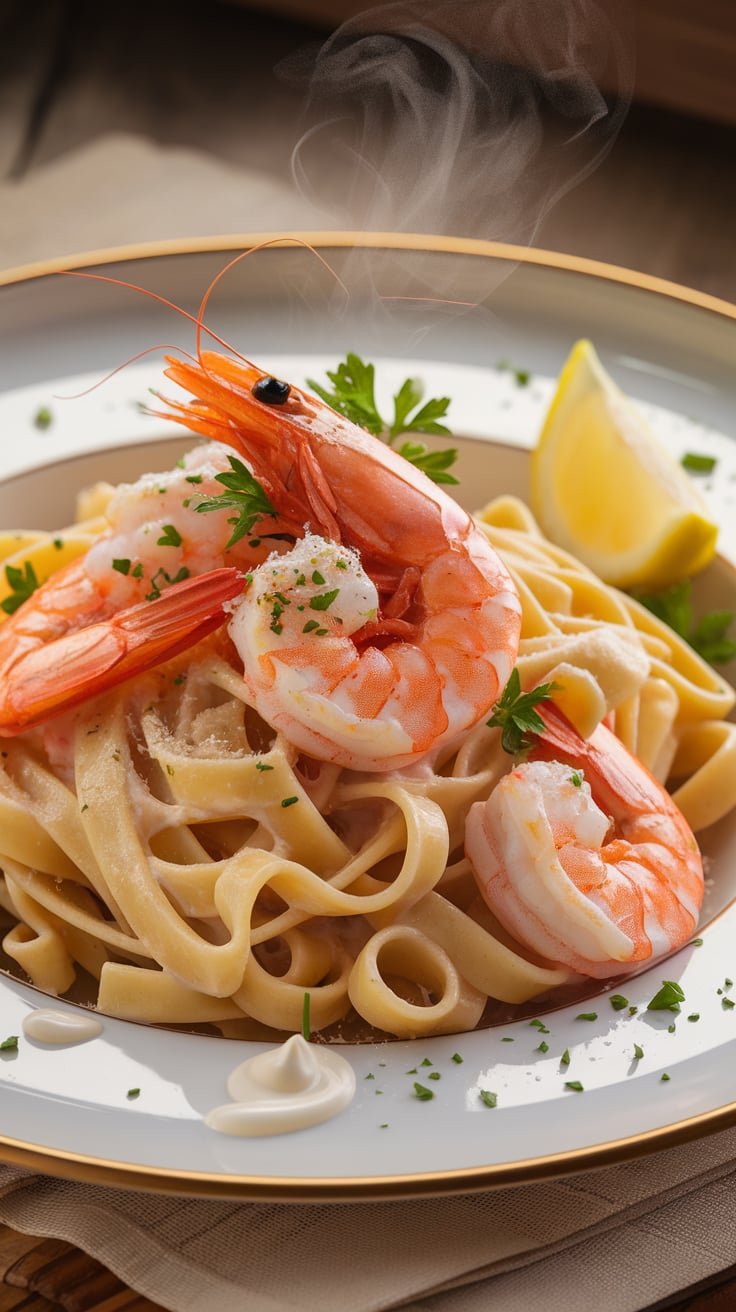
- Dinner: Shrimp Stir-Fry with Brown Rice + Mixed Vegetables [link]
- Benefits: Iodine for thyroid, quick energy from carbs
- Snack: Greek Yogurt Parfait with Berries + Granola + Honey [link]
Day 4 (Luteal Phase Begins – Focus on Progesterone):
- Breakfast: Cottage Cheese Bowl with Kiwi + Pumpkin Seeds [link]
- Benefits: Zinc boosts progesterone, vitamin C for corpus luteum
- Lunch: Tuna Salad with Mixed Greens + Chickpeas [link]
- Benefits: Omega-3s, protein to prevent cravings
- Dinner: Turkey Meatballs + Sweet Potato Mash + Green Beans [link]
- Benefits: Tryptophan (precursor to serotonin), vitamin A for skin
- Snack: Dark Chocolate + Raspberries
Day 5:
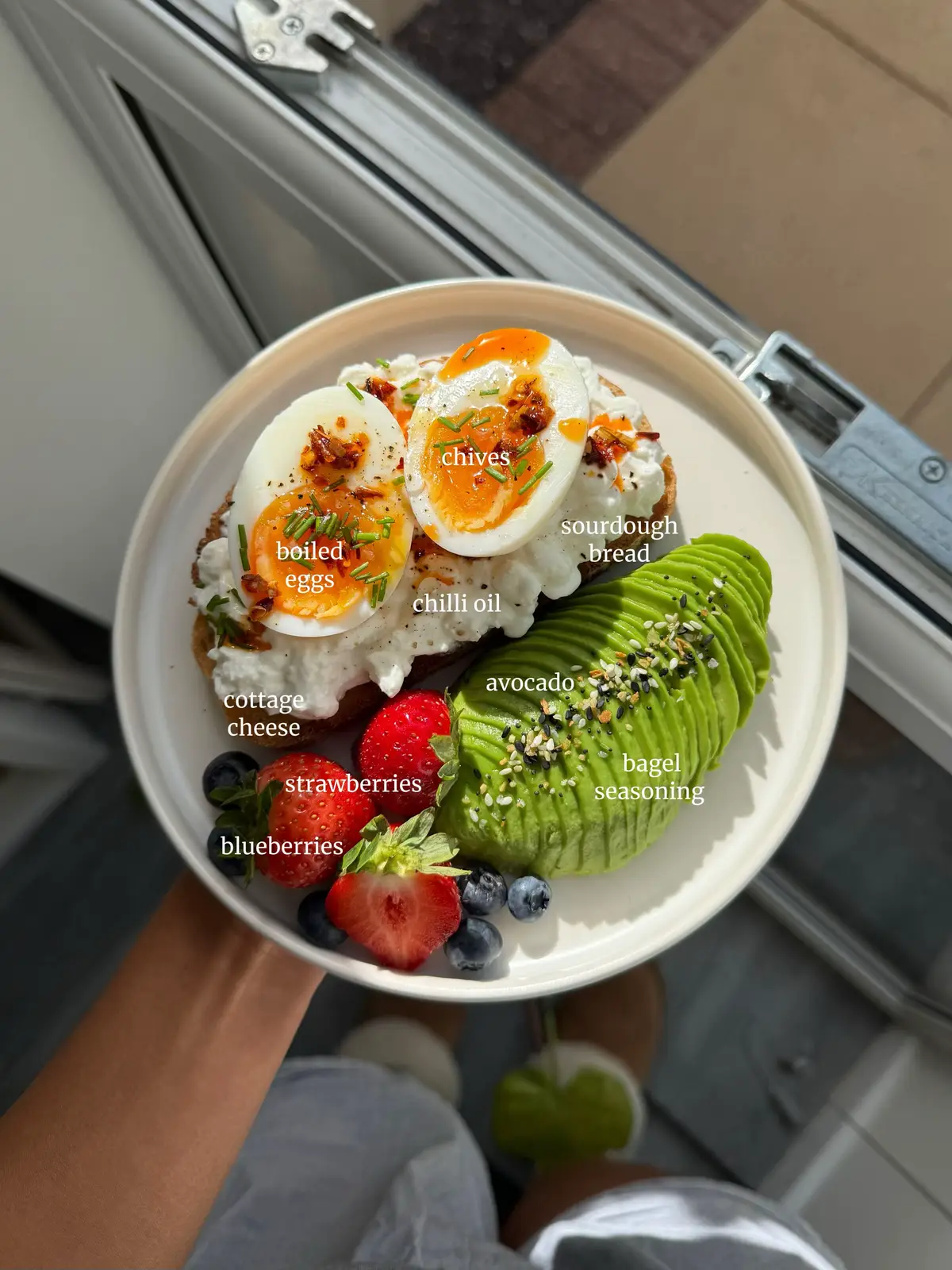
- Breakfast: Avocado Toast with Fried Eggs + Pickles + Greens [link]
- Benefits: Healthy fats, probiotics from pickles
- Lunch: Rainbow Veggie Rice Bowl with Chicken + Broccoli + Mushrooms [link]
- Benefits: B-vitamins for energy, immune support
- Dinner: Baked Cod + Herb Potatoes + Roasted Tomatoes [link]
- Benefits: Light protein, lycopene for skin protection
- Snack: Hard-Boiled Eggs + Carrot Sticks
Day 6 (Premenstrual – Focus on Magnesium):
- Breakfast: Chocolate Banana Smoothie Bowl with Granola + Blueberries [link]
- Benefits: Potassium reduces bloating, magnesium from cacao
- Lunch: Lentil & Quinoa Bowl with Roasted Veggies [link]
- Benefits: Iron replenishment, plant protein, grounding carbs
- Dinner: Shakshuka (Eggs in Tomato Sauce) with Crusty Bread [link]
- Benefits: Lycopene, protein, comforting warmth
- Snack: Chamomile Tea + Pumpkin Seeds
Day 7 (Menstrual Phase – Restorative):
- Breakfast: Protein Smoothie Bowl (Vanilla Base) with Spinach [link]
- Benefits: Easy to digest, protein, iron from spinach
- Lunch: Chicken Salad Lettuce Wraps with Sweet Potato Fries [link]
- Benefits: Light but satisfying, vitamin A for tissue repair
- Dinner: Tofu Stir-Fry with Cauliflower Rice + Edamame [link]
- Benefits: Phytoestrogens support estrogen levels, anti-inflammatory ginger
- Snack: Veggie + Hummus Platter [link]
“Download Your Free 7-Day Hormone-Balancing Meal Plan + Shopping List”
Hormone Balance FAQs
How long does it take to balance hormones naturally?
Most women notice initial improvements in energy and bloating within 2-3 weeks. Skin changes typically appear by week 4, and menstrual cycle regularity often takes 2-3 months of consistent nutrition. Complete hormonal optimization can take 3-6 months depending on the severity of imbalance and stress levels.
Do I need to eat differently during different phases of my cycle?
While not mandatory, cycle syncing can optimize results. During your follicular phase (days 1-14), focus on lighter, energizing foods and sprouted seeds. In the luteal phase (days 15-28), emphasize warming, grounding foods rich in B vitamins and magnesium to support progesterone.
Can I balance hormones without supplements?
Absolutely! Food is the foundation. Focus on the Glow Plate Method, cruciferous vegetables for estrogen metabolism, omega-3s for inflammation, and blood sugar stability. Supplements accelerate results but aren’t required for improvement.
Is this approach safe for PCOS, endometriosis, or thyroid issues?
Yes, these principles support all hormonal conditions, but you’ll want to personalize them. PCOS benefits from strict blood sugar management. Endometriosis requires extra attention to anti-inflammatory foods and estrogen detox support. Thyroid issues need adequate iodine, selenium, and avoiding goitrogens (raw cruciferous veggies) in excess.
Will eating fats make me gain weight?
No—healthy fats are essential for hormone production. When you remove processed carbs and add healthy fats (avocado, olive oil, nuts), most women find weight stabilizes naturally. Your body needs cholesterol to make progesterone and estrogen. Low-fat diets often worsen hormonal imbalance.
Can men follow this nutrition plan?
While men benefit from whole foods too, this plan specifically addresses female hormonal needs (progesterone support, estrogen metabolism, cycle syncing). Men would need different ratios and wouldn’t require the same micronutrient focus.
What if I’m on hormonal birth control?
You can still benefit from these foods! The pill depletes B vitamins, zinc, and magnesium, so focusing on nutrient density is even more important. However, the pill masks your natural cycle, so you won’t be able to “sync” with phases until you transition off.
Your Hormone-Balancing Action Plan
Balancing your hormones doesn’t happen overnight, but with consistent effort, you WILL see results. Here’s your step-by-step action plan:
Week 1-2: Foundation
- Remove processed seed oils and excess sugar
- Implement the Glow Plate Method for every meal
- Add one serving of cruciferous vegetables daily
- Prioritize sleep (aim for 8 hours)
Week 3-4: Optimization
- Introduce seed cycling (flax/pumpkin seeds)
- Add magnesium supplement before bed
- Batch cook proteins and grains on Sundays
- Track your energy and symptoms
Month 2-3: Synchronization
- Begin cycle syncing your workouts if applicable
- Notice improvements in skin, cycle regularity, and mood
- Reintroduce any eliminated foods to test tolerance
- Consider targeted supplements (Vitex, adaptogens) based on remaining symptoms
Remember: Everyone’s hormonal journey is different. Be patient with yourself and celebrate small wins—a pain-free period, clear skin, or steady afternoon energy.
You deserve to feel energized, confident, and comfortable in your body. You deserve glowing skin without a 10-step routine. You deserve hormones that work WITH you, not against you.
Ready to start? Download my free 7-Day Hormone-Balancing Meal Plan and Shopping List to take the guesswork out of your week. Your best self is waiting.
RELATED ARTICLES
- 15 Anti-Inflammatory Recipes for Clear Skin
- How to Do an Elimination Diet for Hormone Health
- Seed Cycling 101: The Complete Guide
- Best Supplements for PCOS and Irregular Periods
- Understanding the Gut-Skin Connection