A cozy pumpkin spice sourdough bread recipe with real pumpkin purée, warm autumn spices, a golden crust, and a beautiful pumpkin-shaped design.
Thank you for reading this post, don’t forget to subscribe!There is something magical about baking bread in autumn.
The comforting aroma of cinnamon and pumpkin spice fills the kitchen, the oven creates a beautiful golden crust, and an ordinary loaf becomes something special.
But what if your homemade sourdough could actually look like a pumpkin?
This pumpkin sourdough bread brings together the classic character of naturally fermented bread with the cozy flavors of fall.
Made with real pumpkin purée, dark brown sugar, vanilla, and pumpkin spice, it develops a gently sweet, aromatic flavor that pairs beautifully with its rustic crust.
And the most exciting part?
With a little food-safe cotton twine, you can turn the dough into an impressive pumpkin-shaped loaf.
It is a wonderful centerpiece for Thanksgiving dinner, autumn brunches, Halloween gatherings, or a cozy weekend of baking.
Whether you’re an experienced sourdough baker or ready for your next baking challenge, this guide explains the ingredients, fermentation process, shaping technique, and baking method.
You’ll also find troubleshooting advice, storage instructions, and answers to common questions.
Recipe inspiration and original ingredient formula: Emily Rangel’s Pumpkin Spice Sourdough. This Polia.blog guide expands on the original with additional explanations and an adapted shaping sequence.
What Is Pumpkin Sourdough Bread?
Pumpkin sourdough bread is a naturally fermented bread made with active sourdough starter, wheat flour, pumpkin purée, and optional warming spices.
Unlike traditional pumpkin quick bread, which typically relies on baking powder or baking soda, this recipe uses an active sourdough starter to raise the dough.
The result is closer to artisan bread than pumpkin cake.
Pumpkin purée contributes moisture, subtle sweetness, and a warm orange color, while brown sugar, vanilla, and pumpkin spice bring familiar autumn flavors.
This particular version is formed into a rounded loaf and decorated with cotton twine to resemble a real pumpkin.
Pumpkin sourdough vs. regular pumpkin bread
| Feature | Pumpkin sourdough bread | Traditional pumpkin quick bread |
|---|---|---|
| Leavening | Active sourdough starter | Baking powder or baking soda |
| Texture | Chewy, bread-like crumb | Soft, cake-like crumb |
| Flavor | Mild tang with pumpkin spice | Usually sweeter |
| Preparation | Extended fermentation | Usually mixed and baked the same day |
| Shape | Artisan round loaf | Commonly a loaf-pan shape |
| Best for | Toast, sandwiches, soups, holiday tables | Breakfast, snacks, dessert |
Both are delicious, but pumpkin sourdough offers a different baking experience.
Why You’ll Love This Pumpkin Spice Sourdough
1. A beautiful fall centerpiece
The finished loaf features rounded sections that resemble the curves of a pumpkin.
Its warm golden crust makes it especially attractive for autumn tables.
2. Real pumpkin flavor
Pumpkin purée adds more than seasonal color. It contributes moisture and a gentle earthy sweetness.
3. Naturally fermented
The active starter provides the fermentation needed to raise the bread without commercial yeast in the original formula.
4. Warm, comforting spices
Vanilla, brown sugar, and pumpkin spice create a fragrant loaf that tastes especially inviting during cooler weather.
5. Perfect for making ahead
The overnight refrigerator proof lets you divide the preparation over two days.
6. Flexible serving options
Enjoy it toasted with butter, alongside soup, or as part of a seasonal breakfast.
Pumpkin Sourdough Bread Recipe at a Glance
| Recipe detail | Information |
|---|---|
| Recipe | Pumpkin Spice Sourdough Bread |
| Yield | 1 large round loaf |
| Portions | Approximately 10–12 slices |
| Hands-on preparation | About 30–40 minutes, spread across stages |
| Initial dough rest | 1 hour |
| Stretch and folds | 4 sets, approximately 30 minutes apart |
| Bulk fermentation | Variable; watch the dough rather than the clock |
| Cold proof | Overnight, approximately 8–14 hours |
| Baking time | 40–45 minutes |
| Cooling | At least 1 hour |
| Overall schedule | Typically spread across 2 days |
| Difficulty | Intermediate |
| Cooking method | Dutch oven |
| Cuisine | American-inspired artisan baking |
Important: Fermentation timing varies with starter strength, room temperature, and dough temperature. The refrigerator and hands-on time estimates are planning guides, not fixed times from the original recipe.
Ingredients for Pumpkin Sourdough Bread
This recipe uses eight ingredients for the dough.
For the most consistent results, measure everything with a digital kitchen scale.
Bread ingredients
- 100 g active sourdough starter
- 250 g water
- 7 g vanilla extract
- 200 g plain pumpkin purée
- 75 g dark brown sugar
- 500 g bread flour
- 10 g salt
- 5 g pumpkin pie spice
For the pumpkin-shaped decoration
- Food-safe, oven-safe cotton butcher’s twine
- A little olive oil for the twine
- Extra flour for dusting
- 1 cinnamon stick for an optional decorative stem after baking
Important Ingredient Notes
Active sourdough starter
Your starter should be recently fed, bubbly, and visibly active before mixing the dough.
A strong starter helps the bread rise properly and contributes the sourdough flavor.
For bakers working with a 100% hydration starter, that means the starter contains equal weights of flour and water.
Can you use sourdough discard instead?
Not as a direct substitute in this naturally leavened recipe if the discard is inactive.
An unfed starter may not raise the dough reliably. Feed it first and use it once it becomes active.
Pumpkin purée
Choose plain, unsweetened pumpkin purée.
Do not confuse it with pumpkin pie filling, which can contain added sugar and spices.
Pumpkin purée contains natural moisture, so the dough may feel softer or tackier than ordinary white sourdough.
Homemade pumpkin purée can work, but its moisture content may differ from canned versions.
Bread flour
Bread flour provides the gluten-forming proteins needed to help the dough develop structure and hold its shape.
That structure becomes especially useful when the loaf is divided into pumpkin-like sections.
All-purpose flour may work as a substitute, but the dough could behave differently depending on its protein content.
Dark brown sugar
Dark brown sugar complements pumpkin and warm spices with a deeper caramel-like sweetness.
It also contributes to the finished bread’s flavor and crust color.
Light brown sugar can be substituted if necessary, though the flavor will be slightly milder.
Pumpkin pie spice
Pumpkin pie spice usually contains a mixture of warming spices such as cinnamon, ginger, nutmeg, and cloves or allspice.
Different brands use different proportions.
If you prefer a stronger cinnamon flavor, adjust the blend in a future batch after trying the original proportions.
Vanilla extract
Vanilla gives the bread a gentle dessert-like aroma without turning it into a cake.
It works particularly well with pumpkin and brown sugar.
Equipment You’ll Need
You don’t need an elaborate professional baking setup.
A few basic tools make the process easier:
- Digital kitchen scale
- Large mixing bowl
- Dough scraper
- Proofing basket or a bowl lined with a clean, well-floured cloth
- Dutch oven with an oven-safe lid
- Suitable high-temperature baking liner, if needed
- Food-safe, heatproof cotton kitchen twine
- Cooling rack
- Oven mitts
Choose a Dutch oven large enough for the loaf to expand.
Safety note: Use only cotton twine specifically suitable for oven use. Synthetic craft string and ordinary decorative ribbon are not appropriate substitutes. Check that any baking liner is rated for the baking temperature.
How to Make Pumpkin Sourdough Bread Step by Step
This bread is prepared in two main stages.
Day 1: Mix the dough, strengthen it through folding, allow fermentation, and refrigerate overnight.
Day 2: Prepare the pumpkin design and bake until golden.
The instructions below retain Emily Rangel’s original ingredient amounts and baking temperatures while placing the final shaping before refrigeration for a more conventional sourdough proofing sequence.
Step 1: Combine the Sourdough Starter and Water
Add 100 g active sourdough starter and 250 g water to a large mixing bowl.
Stir until the starter loosens and disperses throughout the water.
The liquid may appear cloudy, with a few small pieces of starter remaining.
That’s perfectly fine.
Why this matters: Distributing the starter through the water helps it mix more evenly into the dough.
Step 2: Add Pumpkin Purée, Brown Sugar, and Vanilla
Add the following ingredients:
- 200 g pumpkin purée
- 75 g dark brown sugar
- 7 g vanilla extract
Stir until the mixture is mostly uniform.
It should have a smooth, orange-colored appearance with the sugar distributed throughout.
Baking tip: Pumpkin purée from different brands may vary in thickness. Resist the temptation to add extra flour immediately.
Step 3: Mix in the Bread Flour and Spices
Add 500 g bread flour, 10 g salt, and 5 g pumpkin pie spice.
Mix until the ingredients form a rough, shaggy dough.
Check the bottom and sides of the bowl for any dry flour.
The dough does not need to look perfectly smooth at this stage.
Cover the bowl and allow it to rest for 1 hour.
During the rest, flour absorbs moisture and the dough begins to become more cohesive.
Step 4: Perform Four Sets of Stretch and Folds
After the initial rest, begin strengthening the dough.
Complete four sets of stretch and folds, spacing them about 30 minutes apart.
During each set, gently lift and fold portions of the dough over the center, rotating the bowl between folds.
Cover the bowl between each set.
What should the dough look like?
At first, the dough may appear sticky and uneven.
As the folding process progresses, it should become smoother, more elastic, and better able to hold its shape.
The dough should gradually feel stronger and less likely to spread immediately after folding.
Avoid adding lots of extra flour just because the dough feels tacky.
Helpful resource: King Arthur Baking explains the role of folding and dough strength in its guide to bulk fermentation.
Step 5: Allow the Dough to Bulk Ferment
After the folding process, leave the dough covered at room temperature to continue fermenting.
This is one of the most important stages in sourdough baking.
The natural yeast and bacteria in the starter work through the dough, producing gases and flavor compounds.
How do you know bulk fermentation is finished?
Look for several signs together:
- The dough has increased significantly in volume, approaching the rise described in the original recipe.
- The surface appears smoother and slightly domed.
- Small bubbles may be visible around the edges.
- The dough feels lighter and more elastic.
- It may jiggle slightly when the bowl is gently moved.
- The dough starts to release more easily from the bowl.
Do not judge fermentation by time alone.
A warm kitchen and vigorous starter may produce a faster rise than a cool kitchen.
A dough that hasn’t fermented sufficiently may produce a tight, dense loaf. Excessive fermentation can make shaping difficult and reduce the dough’s ability to hold its form.
Step 6: Shape the Dough into a Round Loaf
Once bulk fermentation is complete, transfer the dough to a lightly floured work surface.
Gently organize it into a rounded shape.
If the dough feels especially relaxed, allow a short covered bench rest before completing the final shaping.
The goal is to create a smooth round loaf with enough surface tension to support oven expansion.
Place the shaped dough seam-side up in a floured proofing basket or cloth-lined bowl.
Cover it carefully.
Why a round loaf?
A rounded sourdough loaf, also called a boule, provides the foundation for the pumpkin-shaped design.
The pumpkin segments will be formed immediately before baking.
Step 7: Refrigerate Overnight
Place the covered dough in the refrigerator for its final cold proof.
An overnight rest of roughly 8–14 hours is a practical starting window, although the precise length depends on the dough and refrigerator temperature.
Cold proofing slows fermentation and makes the dough easier to handle.
It also allows additional flavor development.
Baking tip: Keep the dough covered so its surface does not dry out.
How to Shape Sourdough Bread Like a Pumpkin
This is the step that transforms a traditional round loaf into a beautiful autumn centerpiece.
The technique uses cotton twine to create natural-looking divisions around the loaf.
Step 8: Preheat the Dutch Oven
The following morning, preheat your oven and Dutch oven to:
450°F (232°C)
Allow the Dutch oven to preheat for at least 30 minutes, following the cookware manufacturer’s instructions.
A thoroughly preheated baking vessel helps the dough expand and promotes crust development.
Meanwhile, keep the dough refrigerated until close to baking time.
Step 9: Prepare the Cotton Twine
Use food-safe, heatproof cotton butcher’s twine.
Following the original method, lightly soak the twine in olive oil for approximately 5 minutes.
The oil can help reduce sticking as the bread bakes.
Prepare enough twine to form several sections around the loaf.
For the familiar eight-lobed pumpkin appearance, four intersecting strands can create eight visible divisions.
Step 10: Create the Pumpkin Shape
Turn the chilled dough out onto a suitable floured work surface or baking liner.
Arrange the prepared cotton twine around the round loaf so the strands cross near the center and create evenly spaced sections.
Keep the twine gently positioned rather than pulling it tightly into the dough.
The bread still needs room to expand during baking.
The goal is to encourage the loaf to rise into rounded pumpkin segments.
The secret to natural-looking pumpkin sections
Do not compress the dough too tightly.
A gentle arrangement allows the loaf to expand between the strands as it bakes.
For additional decoration, create shallow, leaf-inspired scoring patterns on the exposed dough using an appropriate baking tool handled safely.
A light dusting of flour helps the decorative pattern stand out.
The result should look like a rustic pumpkin rather than a perfectly symmetrical mold.
Step 11: Bake Covered at 450°F
Carefully transfer the prepared dough into the preheated Dutch oven using an oven-safe method appropriate for your cookware.
Cover with the lid.
Bake for 30 minutes at 450°F (232°C).
During this stage, moisture trapped inside the Dutch oven helps delay crust setting so the loaf can expand.
Use suitable oven mitts and take care when handling the hot cookware.
Step 12: Remove the Lid and Finish Baking
After 30 minutes, carefully remove the Dutch oven lid.
Reduce the oven temperature to:
425°F (218°C)
Continue baking for another 10–15 minutes.
The bread should develop a deep golden-brown crust.
The exact finishing time will depend on your oven, Dutch oven, and loaf size.
Look for a well-colored crust rather than relying only on the timer.
Because this dough contains pumpkin and brown sugar, its crust may darken differently from plain sourdough.
Step 13: Cool and Reveal the Pumpkin Design
Transfer the finished loaf to a cooling rack.
Allow it to cool for at least 1 hour before removing the twine.
Cooling gives the interior crumb time to settle and prevents the bread from becoming compressed when sliced.
Once the loaf has cooled sufficiently, carefully remove all the cotton twine.
You should see distinct rounded sections resembling a pumpkin.
For an optional decorative finishing touch, place a cinnamon stick at the center to suggest a pumpkin stem.
Remove the decorative stem before slicing or serving.
The result: A rustic, golden pumpkin-shaped sourdough loaf ready for your autumn table.
What Does Pumpkin Sourdough Bread Taste Like?
Pumpkin sourdough combines several complementary flavors.
Pumpkin: Mild, earthy, and subtly sweet.
Brown sugar: Adds richer, caramel-like sweetness.
Pumpkin spice: Introduces cinnamon-forward warmth and fragrant spice notes.
Vanilla: Softens and rounds out the flavor.
Sourdough fermentation: Adds the characteristic gentle tang of naturally leavened bread.
Because the dough is fermented and baked as an artisan-style loaf, it should be more bread-like than traditional pumpkin cake.
Expect a flavorful crust and a soft interior, with crumb texture depending on fermentation, shaping, and baking.
The loaf is designed to be gently sweet rather than intensely sugary.
Tips for Better Pumpkin Sourdough Bread
1. Start with a strong sourdough starter
Your starter is responsible for raising the bread.
If it is sluggish, the dough may need much longer to rise.
2. Weigh ingredients instead of using measuring cups
Flour and pumpkin purée are especially difficult to measure consistently by volume.
Using grams makes the recipe easier to reproduce.
3. Don’t confuse sticky dough with failed dough
Pumpkin adds moisture and changes how the dough feels.
Allow the resting and folding stages to improve its structure before making adjustments.
4. Let the dough determine fermentation time
Watch the dough’s volume, bubbles, and elasticity.
The clock is a guide, not an exact measure of readiness.
5. Chill the shaped dough before decorating
A chilled loaf tends to be easier to handle and is less likely to lose its rounded shape while you arrange the twine.
6. Keep the pumpkin sections evenly spaced
Evenly distributed twine helps the loaf develop a recognizable pumpkin silhouette.
7. Allow enough room for oven expansion
Twine that is too tight can create excessively deep grooves.
8. Don’t rush cooling
Cutting the loaf immediately after baking can make the crumb appear compressed or gummy.
Let it cool properly for the best slicing experience.
Pumpkin Sourdough Troubleshooting Guide
Even experienced bakers occasionally encounter sourdough problems.
Use this guide to identify likely causes and practical solutions.
| Problem | Possible cause | What to try next time |
|---|---|---|
| Dough barely rises | Weak starter or cool fermentation conditions | Use an active starter and allow sufficient fermentation |
| Dough feels excessively sticky | Pumpkin moisture, incomplete gluten development, or overfermentation | Allow proper resting and folding; monitor the rise |
| Bread is dense | Insufficient fermentation or poor dough strength | Watch for aeration and adequate volume increase |
| Bread spreads outward | Weak shaping or overproofing | Improve shaping and assess fermentation more carefully |
| Pumpkin sections look uneven | Uneven twine placement | Arrange strands more evenly and avoid tight tension |
| Twine sticks to the crust | Twine placement or inadequate preparation | Use suitable food-safe cotton twine and the original light-oiling method |
| Crust becomes too dark | Oven variation or extended uncovered baking | Watch the final uncovered stage closely |
| Interior looks gummy | Underbaking, fermentation imbalance, or cutting too early | Check baking completion and cool thoroughly |
Why didn’t my pumpkin sourdough rise?
The most common possibilities include an inactive starter, insufficient fermentation time, or dough that has fermented beyond its ideal point.
The dough’s temperature also makes a significant difference.
If your loaf repeatedly comes out dense, focus first on starter activity and the visible signs of bulk fermentation rather than adding extra flour.
Why did my pumpkin sourdough lose its shape?
A loaf that spreads excessively may lack sufficient gluten strength or may have overproofed.
The surface tension created during shaping is important because it helps the dough maintain a rounded structure.
Cold dough is also easier to handle during decorative shaping.
Delicious Ways to Serve Pumpkin Sourdough Bread
Pumpkin sourdough is more versatile than it might first appear.
Its combination of subtle sweetness and sourdough tang works with both sweet and savory foods.
1. Toasted with butter and cinnamon
Toast a slice until warm and lightly crisp.
Spread with butter and add a dusting of cinnamon.
For a sweeter breakfast, add a small drizzle of maple syrup.
2. With cream cheese and honey
Cream cheese provides a smooth, mildly tangy contrast to the warm pumpkin spices.
A little honey adds sweetness without overwhelming the bread.
3. Alongside a cozy autumn soup
The crusty bread makes a lovely accompaniment to rich, creamy soups.
For a complete fall-inspired meal, serve it with Polia’s Roasted Butternut Squash Soup.
The creamy squash and warming spices complement the bread’s autumn flavors.
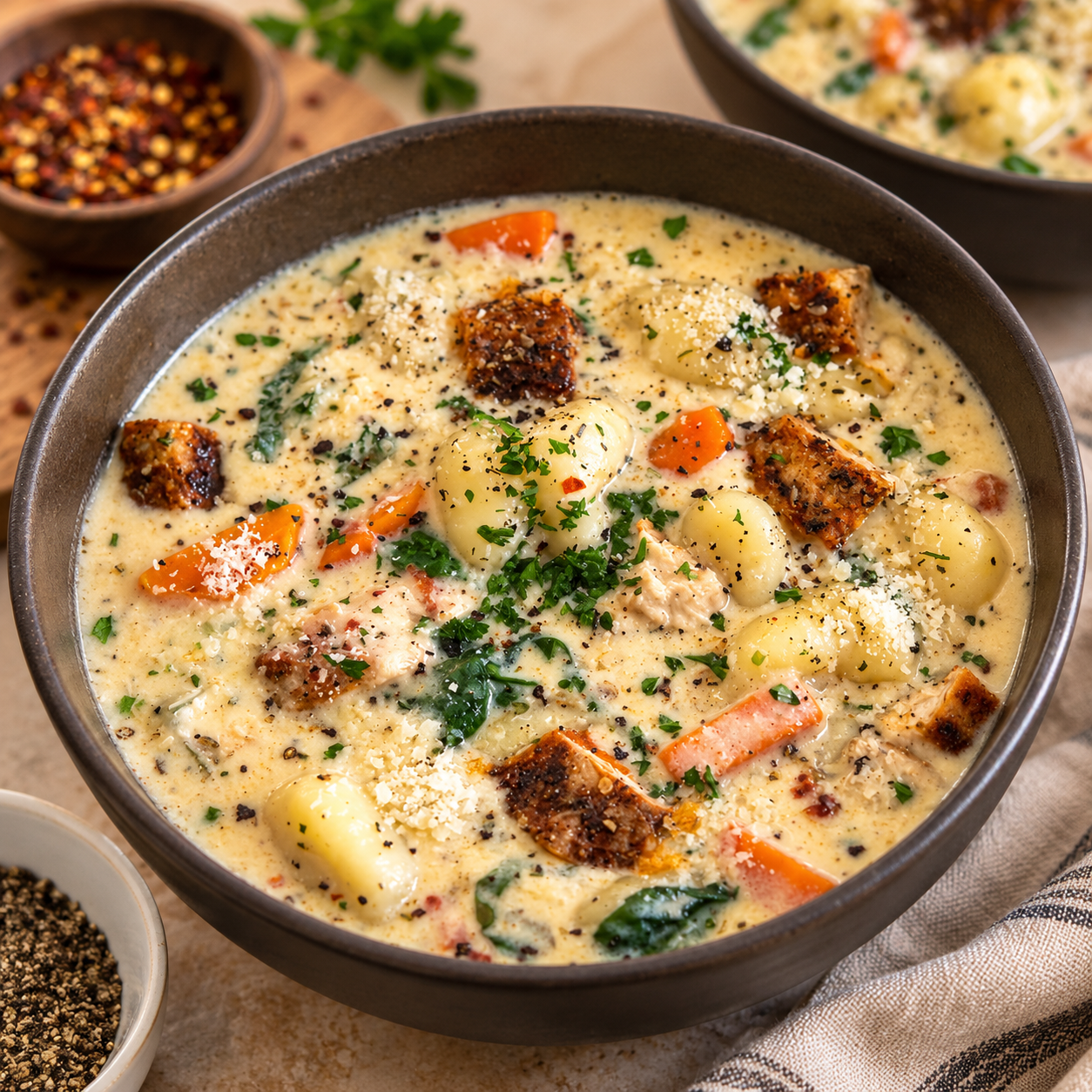
You can also enjoy it with our Olive Garden Chicken Gnocchi Soup for a heartier, comforting dinner.
4. As part of a Thanksgiving spread
Use the pumpkin loaf as an edible centerpiece and surround it with seasonal side dishes.
It pairs beautifully with Caramelized Butternut Squash with Feta, Walnuts, and Cranberry-Honey Glaze.
For a savory contrast, add our Garlic Herb Roasted Vegetables.
5. Make autumn French toast
Once the loaf is a day or two old, its slices can become a flavorful base for French toast.
Use your favorite French toast mixture, cook until properly set, and finish with cinnamon or fresh fruit.
6. Create a beautiful fall brunch board
Arrange slices with apples, pears, toasted nuts, cheese, and a selection of spreads.
It makes a welcoming addition to a weekend brunch table.
Easy Pumpkin Sourdough Variations
The original recipe is a wonderful starting point, but there are several ways to adapt the flavor or appearance.
These are suggested variations, not independently tested versions of the original formula.
Cinnamon-forward pumpkin sourdough
Use a pumpkin spice blend with a stronger cinnamon emphasis.
This is ideal for readers who prefer classic autumn bakery aromas.
Maple pumpkin sourdough
Experiment with replacing some brown sugar with maple syrup.
Remember that liquid sweeteners affect dough consistency, so additional adjustments may be necessary.
Pumpkin sourdough without the decorative twine
Prefer a traditional round artisan loaf?
You can omit the pumpkin design entirely and bake the dough as a standard boule.
The pumpkin flavor and spices remain the same.
Rustic fall sourdough with seeds
Consider adding toasted pumpkin seeds as a garnish or inclusion.
Seed additions can affect shaping and texture, so begin with a modest amount.
How to Store Pumpkin Sourdough Bread
Proper storage helps preserve the bread’s texture and flavor.
At room temperature
Allow the loaf to cool completely before storing it.
For the first day, keep crusty bread loosely covered in a clean, dry place.
After that, use a suitable bread bag or airtight wrapping to slow moisture loss.
Wrapping helps preserve the interior, although the crust will gradually soften.
Enjoy within a few days for the best quality, and discard bread that develops mold.
Can you refrigerate baked sourdough bread?
Refrigeration is generally not ideal for ordinary bread storage because it can accelerate staling.
Freezing is usually a better option if you need to keep the loaf for longer.
How to freeze pumpkin sourdough bread
Wait until the loaf is completely cool.
Divide it into convenient portions or slices.
Wrap the bread securely in freezer-safe packaging.
For the best quality, use frozen bread within approximately three months.
Warm or toast individual slices when needed.
For additional guidance, see King Arthur Baking’s sourdough storage recommendations.
Frequently Asked Questions About Pumpkin Sourdough Bread
Can you put pumpkin purée in sourdough bread?
Yes. Pumpkin purée can be incorporated directly into sourdough dough. It contributes moisture, subtle pumpkin flavor, and a warm color. Because pumpkin contains water, it also changes dough consistency and may influence fermentation and shaping.
Is pumpkin sourdough bread sweet or savory?
This recipe is mildly sweet and warmly spiced. Dark brown sugar and vanilla create gentle sweetness, while sourdough fermentation adds tanginess. It is less cake-like than conventional sweet pumpkin quick bread.
Can I make pumpkin sourdough with sourdough discard?
Inactive discard alone may not provide enough leavening for this naturally fermented loaf. Use an active, recently fed starter for the original recipe. Recipes formulated specifically for discard often use additional leavening.
Can I use fresh pumpkin instead of canned pumpkin?
Yes, plain homemade pumpkin purée can work. However, fresh purée may contain more or less water than canned pumpkin. Excessively watery purée can create a softer, harder-to-shape dough.
How long should pumpkin sourdough ferment?
There is no universal fermentation time. Starter activity, room temperature, dough temperature, and ingredients all influence the process. Watch for a substantial increase in volume, a smoother surface, and visible aeration.
Why should pumpkin sourdough proof overnight?
An overnight refrigerator proof slows fermentation and makes the dough easier to handle. It also provides a convenient schedule: prepare the dough one day and bake the following morning.
How do you make sourdough bread look like a pumpkin?
Start with a round loaf and arrange food-safe, heatproof cotton twine around it to form several sections. During baking, the bread expands into rounded segments. Once fully cooled, remove the twine to reveal the pumpkin design.
Do you need a Dutch oven for pumpkin sourdough?
A Dutch oven is recommended for this recipe because it retains heat and moisture during the early baking stage. Other bread-baking setups exist, but they may require changes to the baking method.
Can I make pumpkin sourdough without pumpkin spice?
Yes. You can experiment with individual spices or omit the spice blend for a more neutral pumpkin flavor. The result will taste different from the original pumpkin spice version.
Is pumpkin sourdough bread vegan?
The original dough ingredients are plant-based, assuming the vanilla extract and other packaged ingredients meet your requirements. No eggs, milk, or butter are required in the dough.
Is pumpkin sourdough bread gluten-free?
No. This recipe uses wheat bread flour and therefore contains gluten. Replacing the flour with a gluten-free blend requires a separately developed recipe because gluten-free dough behaves differently.
Can I make pumpkin sourdough bread ahead for Thanksgiving?
Yes. The overnight cold-proof schedule is well suited to advance preparation. Plan the dough preparation for the previous day and allow sufficient time for baking and cooling before serving.
Pumpkin Sourdough Bread Recipe Card
Pumpkin Spice Sourdough Bread (Pumpkin-Shaped Loaf)
Description: A naturally fermented pumpkin spice sourdough loaf made with pumpkin purée, dark brown sugar, vanilla, and warming spices. Finished with a golden crust and an optional pumpkin-shaped design.
Yield: 1 large loaf (approximately 10–12 slices)
Hands-on time: Approximately 30–40 minutes
Rest and fermentation: Variable, plus overnight cold proof
Bake time: 40–45 minutes
Cooling time: At least 1 hour
Method: Dutch oven
Difficulty: Intermediate
Ingredients
For the dough
- 100 g active sourdough starter
- 250 g water
- 7 g vanilla extract
- 200 g plain pumpkin purée
- 75 g dark brown sugar
- 500 g bread flour
- 10 g salt
- 5 g pumpkin pie spice
For decoration
- Food-safe, oven-safe cotton butcher’s twine
- A small amount of olive oil
- Extra flour for dusting
- Optional cinnamon stick for a decorative stem
Instructions
- Mix the wet ingredients. Stir the starter into the water until dispersed. Add pumpkin purée, brown sugar, and vanilla; combine thoroughly.
- Form the dough. Incorporate bread flour, salt, and pumpkin pie spice until no dry flour remains.
- Rest. Cover the dough and leave for 1 hour.
- Strengthen. Perform 4 sets of stretch and folds, approximately 30 minutes apart.
- Bulk ferment. Leave covered at room temperature until the dough is visibly aerated, stronger, and substantially expanded.
- Shape. Form a round loaf, transfer to a floured proofing basket, and cover.
- Cold proof. Refrigerate overnight.
- Preheat. Heat the Dutch oven to 450°F (232°C) for at least 30 minutes.
- Create the pumpkin design. Lightly oil heatproof cotton twine and arrange it around the chilled dough to create evenly spaced sections without compressing the loaf.
- Bake covered. Bake at 450°F for 30 minutes.
- Finish uncovered. Remove the lid, lower the temperature to 425°F (218°C), and bake another 10–15 minutes until deep golden brown.
- Cool. Transfer to a cooling rack and leave for at least 1 hour. Remove all twine before slicing. Add a decorative cinnamon stem if desired, removing it before serving.
Recipe Notes
- Use active starter rather than inactive discard.
- Weigh all dough ingredients for reliable consistency.
- Fermentation cues matter more than a fixed clock.
- Use only food-safe twine rated for oven temperatures.
- Cold dough is easier to decorate.
- Allow the finished loaf to cool before slicing.
- The final shaping order in this guide is a practical adaptation of the source method.
Storage: Keep cooled bread appropriately covered at room temperature for short-term use or freeze in portions for longer storage.
Allergen information: Contains wheat and gluten.
Nutrition: Not calculated. Values depend on final loaf weight and portion size.
Original ingredient formula credited to Emily Rangel.
Final Thoughts: A Beautiful Homemade Bread for Autumn
Pumpkin sourdough bread is proof that homemade baking can be both delicious and creative.
The pumpkin purée adds seasonal flavor and color. The sourdough starter develops the bread’s character. The brown sugar, vanilla, and warm spices turn it into a comforting fall treat.
And the pumpkin-shaped finish makes the loaf feel truly special.
The secret is patience.
Allow the dough to ferment properly, develop enough strength during folding, and cool completely after baking.
You don’t need perfection to create something beautiful.
A rustic shape, deep golden crust, and fragrant kitchen are all part of the experience.
Save this pumpkin sourdough bread recipe for your next fall baking day, and share your results in the comments.
Looking for more cozy seasonal recipes?
Explore Polia.blog’s recipe collection for comforting homemade meals, soups, and easy dishes to enjoy throughout autumn.