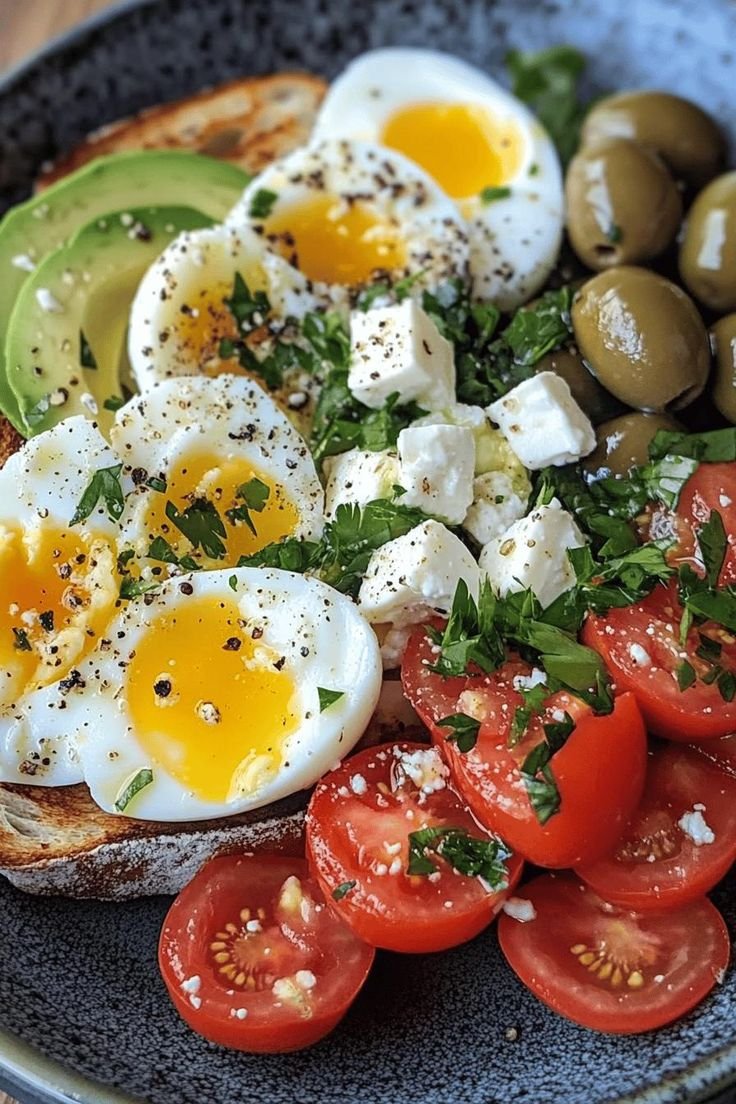
Do you wake up feeling heavy, bloated, or perpetually tired, even after a full night’s sleep? You’re not alone. For many, these aren’t just “digestion issues”—they are the hallmark signs of chronic inflammation. When your gut microbiome is out of balance, it can trigger a systemic inflammatory response that manifests as brain fog, skin flare-ups, and a weakened immune system. This “leaky gut” cycle can feel impossible to break, but the solution is often found right on your dinner plate.
Thank you for reading this post, don’t forget to subscribe!The good news is that your gut is incredibly resilient. By shifting toward a plant-based anti-inflammatory approach, you can provide your digestive enzymes the support they need to heal. We have curated 15 delicious, science-backed recipes designed to soothe your lining, feed your “good” bacteria, and lower your inflammatory markers. These meals aren’t just about restriction; they are about flooding your body with the nutrients it craves. Let’s dive into these scroll-friendly, gut-healing recipes that prove healthy eating never has to be boring.
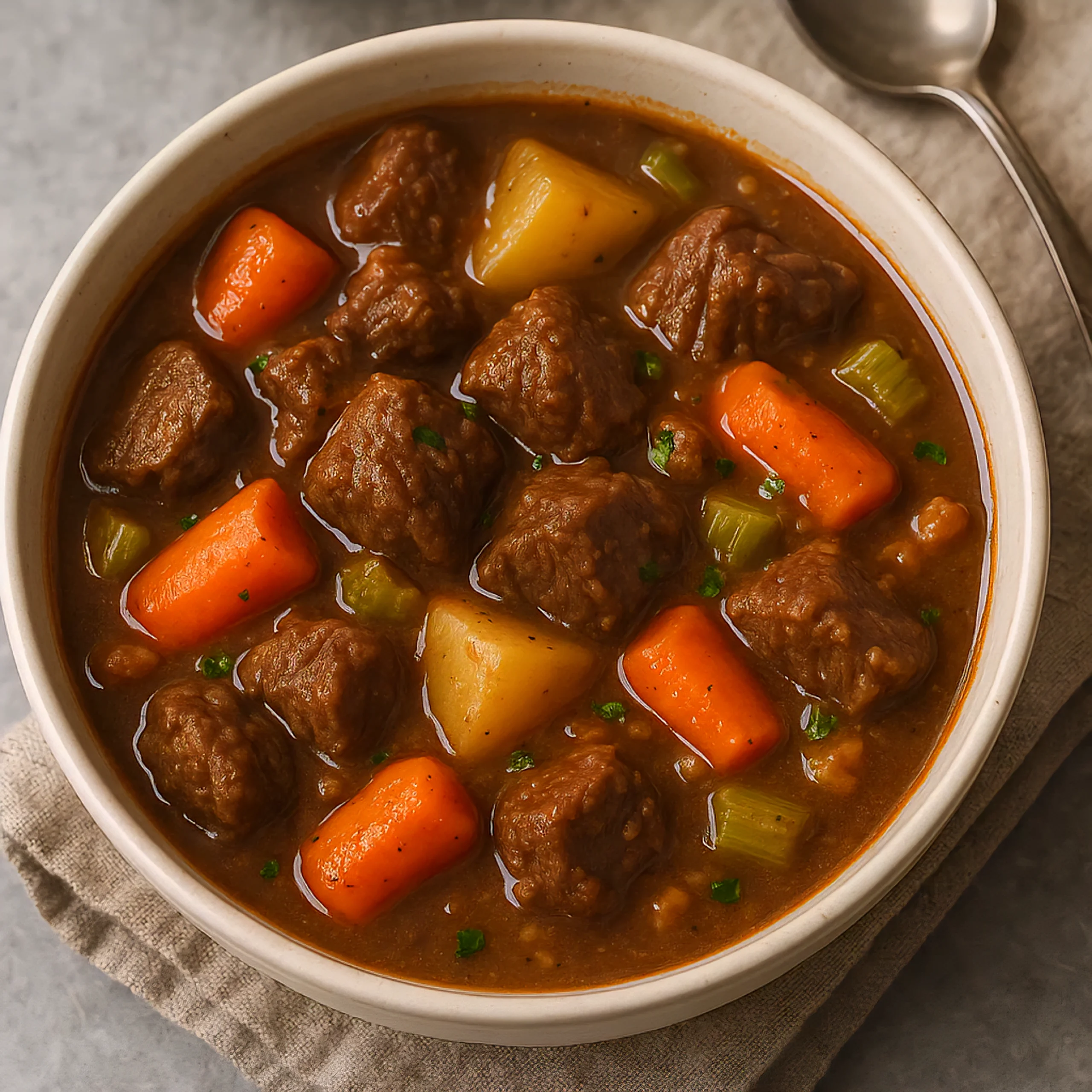
1. Turmeric Ginger Bone Broth
This golden elixir is the gold standard for soothing a compromised gut lining. Bone broth is rich in collagen and amino acids like glycine, while turmeric contains curcumin, a potent bioactive compound that blocks inflammatory pathways at the molecular level.
To make this at home, simmer grass-fed beef or organic chicken bones with fresh turmeric root and cracked black pepper. The piperine in the pepper increases curcumin absorption by up to 2,000%, making this a highly effective morning tonic.
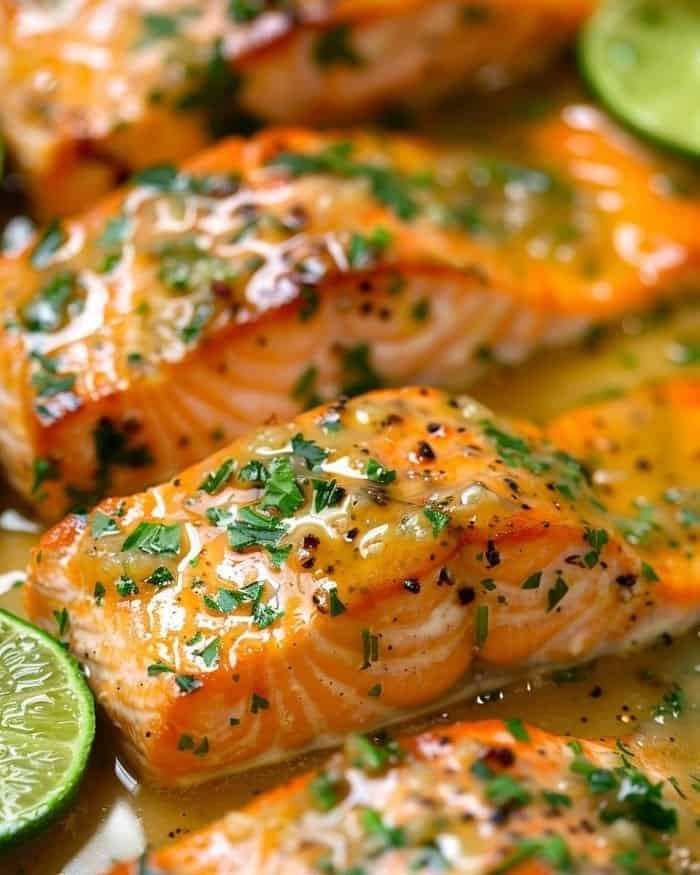
2. Wild-Caught Salmon with Lemon & Dill
Fatty fish like salmon are loaded with EPA and DHA omega-3 fatty acids, which are essential for reducing chronic inflammation. These healthy fats help lubricate the digestive tract and support the integrity of the intestinal wall, preventing unwanted particles from entering the bloodstream.
Simply roast a wild-caught fillet with fresh dill, lemon slices, and a drizzle of extra virgin olive oil. Pair it with steamed greens for a high-protein, microbiome-friendly dinner that takes less than 20 minutes to prepare.
3. Probiotic-Rich Kimchi & Avocado Toast
This recipe combines the fermentation power of kimchi with the healthy monounsaturated fats of avocado. Kimchi is packed with Lactobacillus bacteria, which directly improves microbiome health by crowding out “bad” bacteria that cause gas and bloating.
Use a high-quality, fermented sourdough bread as your base. Mash half an avocado on top, pile on the kimchi, and sprinkle with black sesame seeds for a crunchy, tangy breakfast that supports your “second brain.”
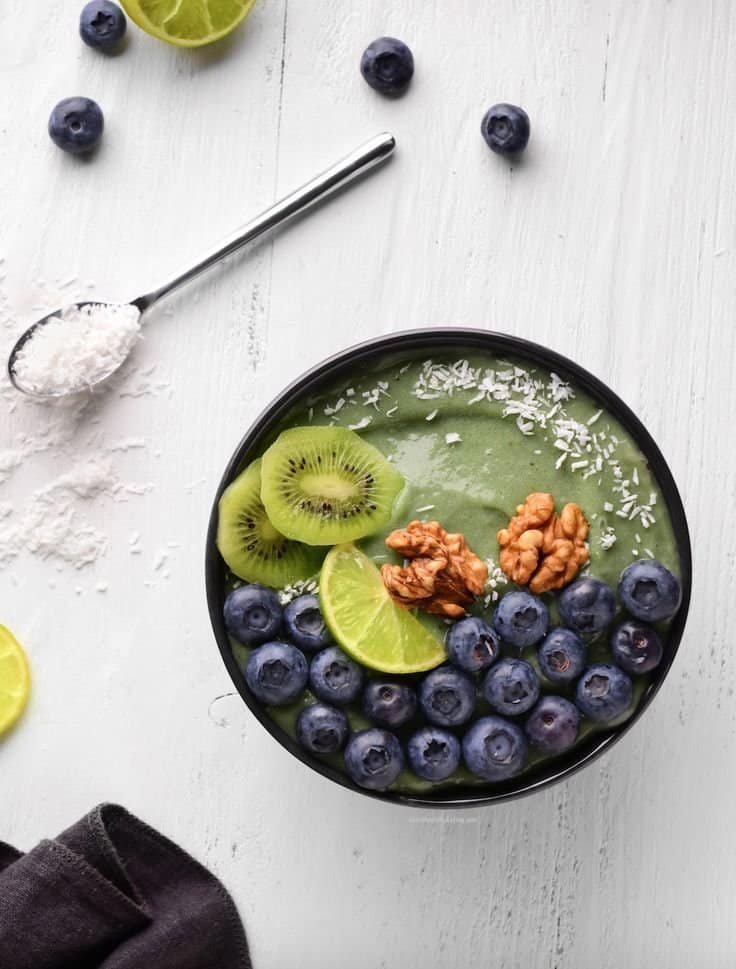
4. Blueberry & Spinach Smoothie Bowl
Blueberries are antioxidant powerhouses containing anthocyanins, which have been shown to reduce oxidative stress in the gut. When blended with fiber-rich spinach, this bowl provides the prebiotic fuel your microbes need to produce short-chain fatty acids (SCFAs).
Blend frozen blueberries, a handful of spinach, and unsweetened almond milk until thick. Top with hemp seeds and a few walnuts to add a satisfying crunch and an extra boost of plant-based anti-inflammatory fats.
5. Roasted Cauliflower with Tahini Drizzle
Cauliflower is a cruciferous vegetable that supports detoxification pathways in the liver and gut. It contains sulforaphane, a compound that helps protect the stomach lining from oxidative damage and potential ulcers.
Toss cauliflower florets in cumin and sea salt before roasting until caramelized. The real magic is the tahini drizzle—ground sesame seeds are rich in calcium and fiber, making this a perfect side dish for digestive longevity.
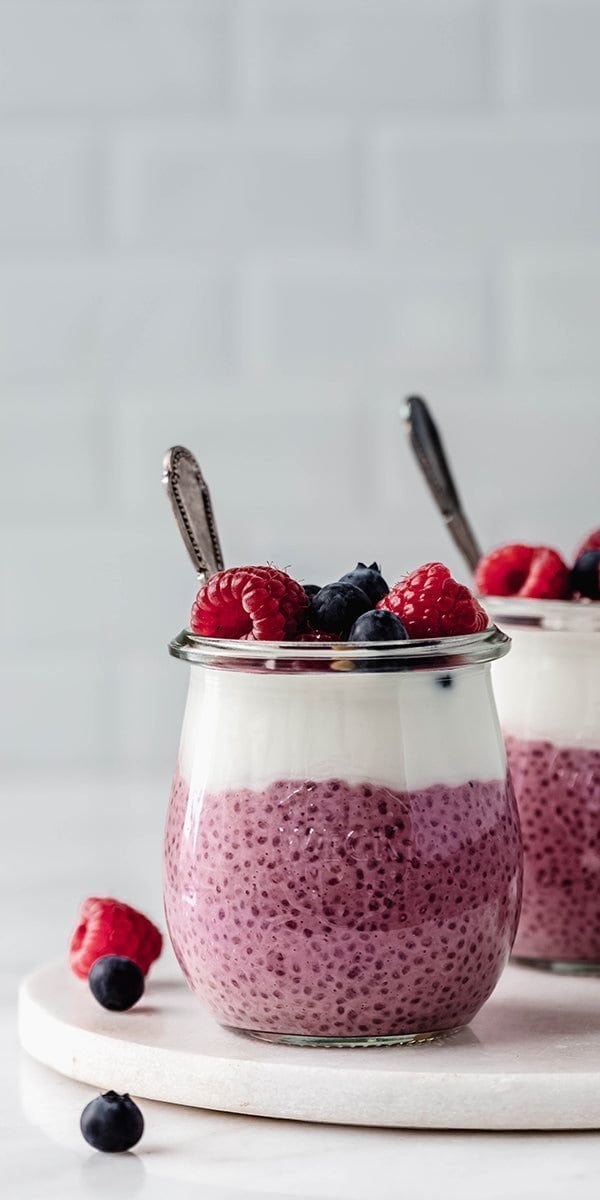
6. Chia Seed Pudding with Raspberries
Chia seeds are a “super-fiber” that forms a soothing gel in the digestive tract, helping to regulate bowel movements and clear out toxins. Combined with raspberries, which are among the highest-fiber fruits, this recipe is a powerhouse for leaky gut recovery.
Mix two tablespoons of chia seeds with one cup of coconut milk and let sit overnight. In the morning, top with fresh raspberries and a pinch of cinnamon to help stabilize blood sugar levels throughout the day.
7. Steamed Asparagus with Garlic & Lemon
Asparagus is one of nature’s best sources of inulin, a prebiotic fiber that feeds beneficial Bifidobacteria. When paired with garlic—which has natural antimicrobial properties—this duo helps balance the gut flora and reduce unwanted yeast overgrowth.
Lightly steam the spears for 3–5 minutes to keep the fiber intact. Toss with minced raw garlic, lemon zest, and a pinch of flaky sea salt for a clean, refreshing appetizer or side dish.
8. Quinoa & Black Bean “Gut-Healer” Salad
Quinoa is a gluten-free pseudo-grain that is much easier on the digestive system than wheat. It provides a complete protein profile and high fiber content, while black beans contribute resistant starch that feeds the lower gut’s healthy bacteria.
Mix cooked quinoa and rinsed black beans with chopped cilantro, bell peppers, and lime juice. This recipe is excellent for meal prepping as it stays fresh in the fridge for up to four days, getting more flavorful as the ingredients marinate.

9. Miso Glazed Tempeh
Tempeh is a fermented soy product that is much more digestible than unfermented soy. The fermentation process breaks down antinutrients and introduces probiotics, making it an excellent plant-based protein for those focusing on microbiome health.
Marinate tempeh strips in a mixture of white miso paste, ginger, and a splash of tamari. Pan-sear until golden brown to create a savory, “umami” flavor that pairs perfectly with steamed bok choy or brown rice.
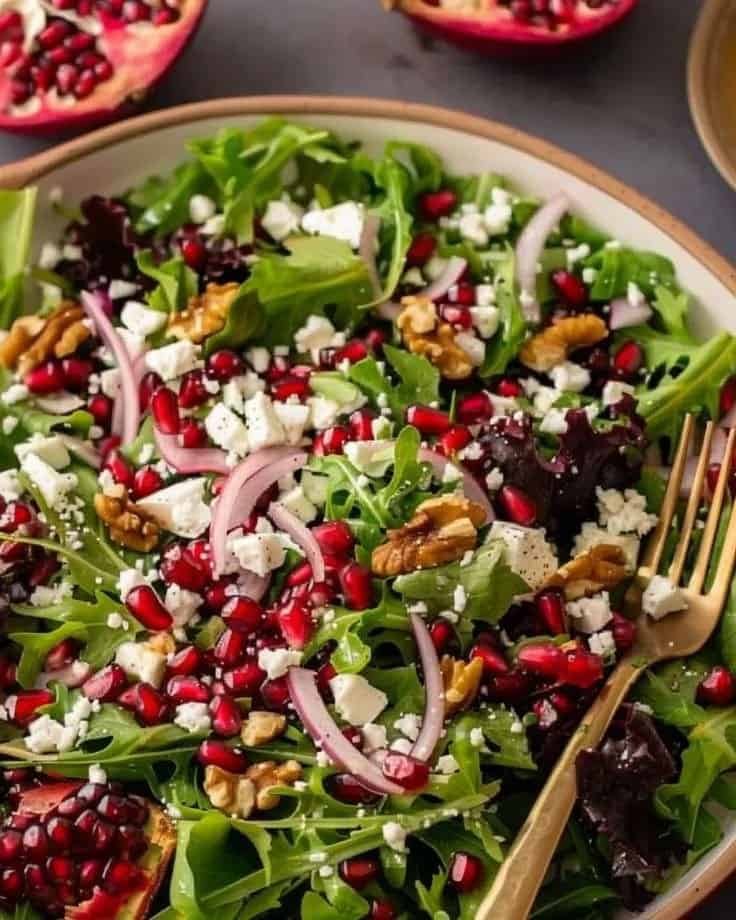
10. Walnut & Pomegranate Arugula Salad
Walnuts contain unique polyphenols that are converted by gut bacteria into urolithins, compounds that are highly anti-inflammatory. Arugula adds a “bitter” element that stimulates the production of digestive enzymes, preparing your stomach for better nutrient absorption.
Toss fresh arugula with toasted walnut halves and pomegranate arils. The burst of sweetness from the pomegranate provides a dose of vitamin C, which is crucial for collagen synthesis and gut wall repair.
11. Sardines on Sourdough
Sardines are a “small fish” low in mercury but incredibly high in anti-inflammatory omega-3s and Vitamin D. Vitamin D deficiency is often linked to gut permeability, so incorporating these into your diet is a strategic move for healing.
Mash sardines with a bit of Dijon mustard and spread them over toasted sourdough. Top with pickled red onions for an extra hit of probiotics and a zingy flavor profile that cuts through the richness of the fish.
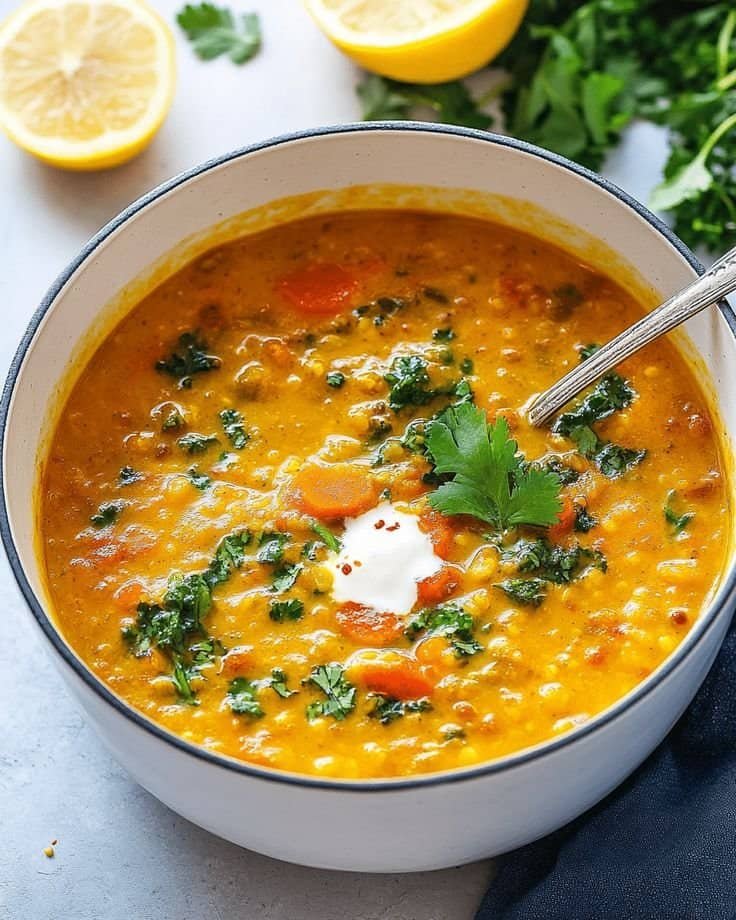
12. Lentil & Turmeric Stew (Dal)
Lentils are a fantastic source of plant-based iron and fiber. This slow-cooked stew uses a “tadka” (tempered spices) of turmeric, cumin, and mustard seeds to maximize the anti-inflammatory potential of every bite.
Cook red lentils until they are soft and easy to digest. Stir in a splash of coconut milk at the end for healthy fats that help the body absorb the fat-soluble vitamins found in the spices.
13. Probiotic Greek Yogurt with Hemp Hearts
If you tolerate dairy, unsweetened Greek yogurt is a staple for gut health. It provides a concentrated dose of live active cultures. Hemp hearts add a nutty flavor and a perfect 3:1 ratio of omega-6 to omega-3 fatty acids.
Choose “plain” yogurt to avoid the inflammatory effects of added cane sugar. Stir in a tablespoon of hemp hearts and a drizzle of raw honey, which has natural enzymatic properties to aid digestion.
14. Baked Sweet Potato with Cinnamon
Sweet potatoes are rich in soluble fiber and beta-carotene, an antioxidant that the body converts into Vitamin A. Vitamin A is critical for maintaining the mucosal lining of the respiratory and digestive tracts.
Bake the potato until soft and sprinkle with cinnamon. Cinnamon isn’t just for flavor; it helps reduce inflammation in the GI tract and can assist in lowering gas and bloating after meals.

15. Green Tea & Ginger Infusion
Technically a beverage, this infusion is a powerful digestive aid. Green tea is loaded with EGCG, a catechin that reduces inflammation in the colon, while ginger speeds up “gastric emptying,” helping food move smoothly through the system.
Steep high-quality sencha or matcha with fresh ginger slices for 3 minutes. Drink this between meals to keep your metabolism steady and your gut environment calm and alkaline.
Quick Guide: Anti-Inflammatory Superfoods vs. Their Gut Benefits
| Food Item | Key Nutrient | Primary Gut Benefit |
| Turmeric | Curcumin | Blocks systemic inflammatory markers |
| Kimchi | Lactobacillus | Replenishes beneficial gut flora |
| Salmon | Omega-3 Fatty Acids | Repairs and lubricates the intestinal wall |
| Chia Seeds | Soluble Fiber | Regulates motility and clears toxins |
| Ginger | Gingerol | Reduces bloating and speeds up digestion |
FAQ Section
How long does it take to reduce gut inflammation?
While everyone is different, many people notice a reduction in bloating and improved energy within 7 to 14 days of consistently eating anti-inflammatory, probiotic-rich foods. Complete repair of the gut lining can take 3 to 6 months of a sustained healthy lifestyle.
Can I eat these recipes if I have IBS?
Most of these recipes are IBS-friendly, but those sensitive to high-FODMAP foods should be cautious with garlic, onions, and certain beans. Always introduce new high-fiber foods slowly to allow your microbiome to adjust.
What are the “Big 3” foods to avoid for gut health?
To maximize the benefits of this guide, try to eliminate or strictly limit:
- Refined Sugars: These feed “bad” bacteria and yeast.
- Ultra-Processed Vegetable Oils: Highly inflammatory fats like soybean or corn oil.
- Artificial Sweeteners: These can negatively alter the composition of your microbiome.
Enjoyed these gut-healing ideas? Save this guide on Pinterest for later! 🌱
Would you like a custom 7-day meal plan based on these 15 recipes? CLICK ME