In today’s always-on world, stress isn’t just an inconvenience — it’s a biological disruptor.
Thank you for reading this post, don’t forget to subscribe!If you feel exhausted despite sleeping, wired but tired at night, bloated for no reason, or emotionally stretched thin… it’s not a personal failure.
It’s physiology.
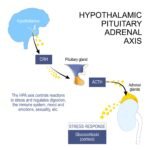
Chronic stress elevates cortisol, disrupts blood sugar, impacts gut health, and throws off estrogen and progesterone balance. Over time, this shows up as fatigue, mood swings, breakouts, stubborn weight gain, and burnout.
The solution isn’t doing more.
It’s strategic self-care.
And not the fluffy kind — the science-backed kind that supports your nervous system, hormones, and long-term well-being.
Let’s break it down.
🧠 Why Self-Care Matters More Than Ever
Self-care isn’t indulgence. According to the World Health Organization, self-care is the ability to promote health, prevent disease, and cope with illness — with or without a healthcare provider.
It includes:
- Physical care (sleep, movement, nourishment)
- Mental care (mindfulness, boundaries)
- Emotional care (self-compassion)
- Social care (healthy relationships)
- Spiritual care (purpose, gratitude)
When these areas are neglected, your body shifts into fight-or-flight mode.
Cortisol rises.
Blood sugar fluctuates.
Progesterone drops.
Inflammation increases.
If you’ve read my Hormone Balance 101: The Complete Guide to Eating for Glowing Skin, you already know that elevated cortisol can suppress ovulation, worsen PMS, and contribute to hormonal acne.
Stress management isn’t optional for hormone health — it’s foundational.
🔬 How Self-Care Fights Stress (The Biology Explained)
1️⃣ Physical Self-Care: Regulate Cortisol at the Root
🏃♀️ Movement Lowers Stress Hormones
Exercise boosts endorphins while improving insulin sensitivity. But intensity matters.
If you’re already burned out, high-intensity workouts may worsen cortisol imbalance. In that case, prioritize:
- Walking
- Pilates
- Strength training 2–3x weekly
- Gentle yoga
(For a deeper dive, see my full guide on lowering cortisol naturally.)
💤 Sleep Resets Your Hormones
Poor sleep increases insulin resistance and elevates next-day cortisol.
Aim for:
- 7–9 hours nightly
- No screens 60 minutes before bed
- Magnesium-rich foods at dinner
If you struggle with nighttime anxiety or 3 AM wake-ups, your stress hormone rhythm may be dysregulated — something I explain further in Hormone Balance 101.
🥗 Nutrition: Your Most Powerful Stress Tool
What you eat directly impacts:
- Blood sugar stability
- Gut microbiome balance
- Estrogen metabolism
- Inflammation levels
An anti-inflammatory diet rich in omega-3s, leafy greens, berries, and quality protein helps reduce stress at a cellular level.
If you’re unsure where to start, read:
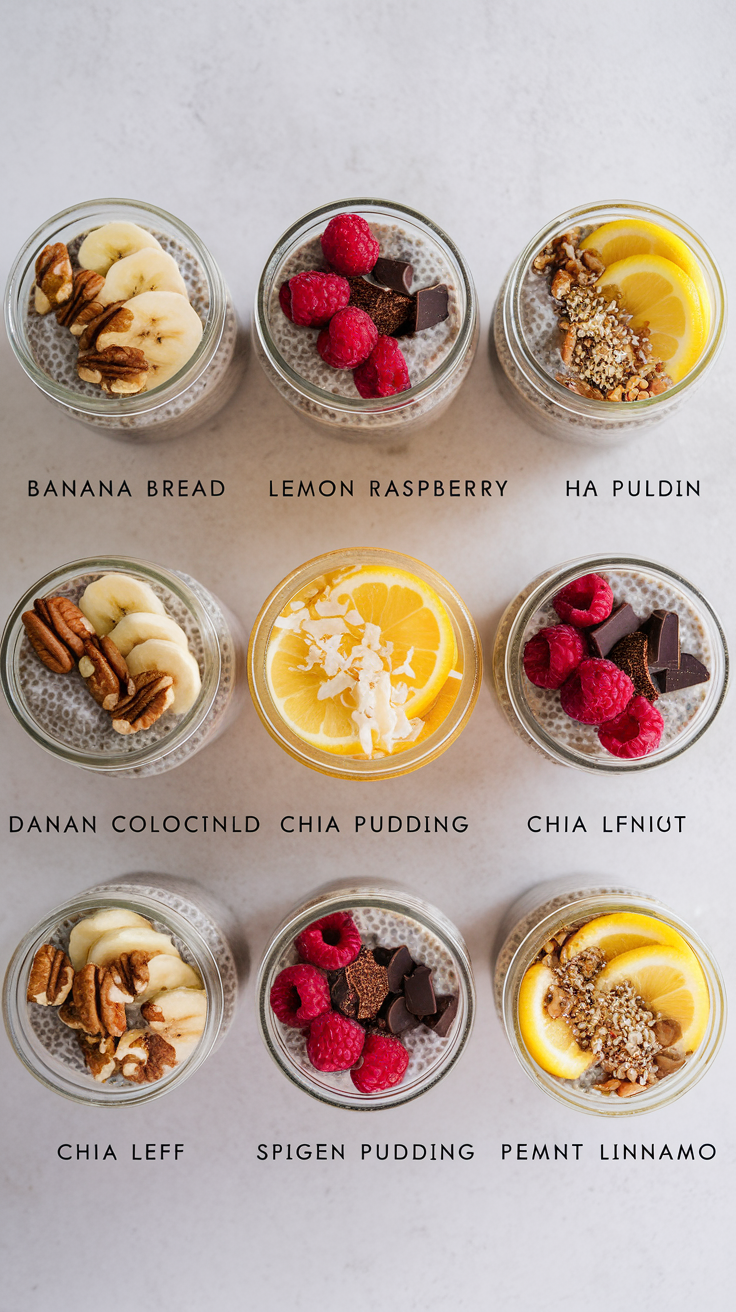
- 15 Anti-Inflammatory Recipes for Clear Skin
- Gut Health 101: The Complete Beginner’s Guide
- Hormone Balance 101
These work together — because your gut, hormones, and stress response are interconnected.
🌿 The Gut-Brain-Stress Connection
Your gut produces nearly 70% of your serotonin.
When stress disrupts your microbiome:
- Estrogen detoxification slows
- Inflammation rises
- Mood declines
- Cravings increase
That’s why gut-supportive foods like kefir, flax seeds, and fermented vegetables are foundational for emotional stability.
If you deal with bloating + anxiety together, start with Gut Health 101 before adding supplements.
💖 Mental & Emotional Self-Care: Rewiring Your Stress Response
🧘♀️ Mindfulness & Meditation
Practices like meditation reduce rumination and help regulate the nervous system.
The popular 4-7-8 breathing technique — often shared by experts like Andrew Weil — activates the parasympathetic nervous system (your “rest and digest” mode).
Try:
- Inhale 4 seconds
- Hold 7 seconds
- Exhale 8 seconds
- Repeat 3–4 times
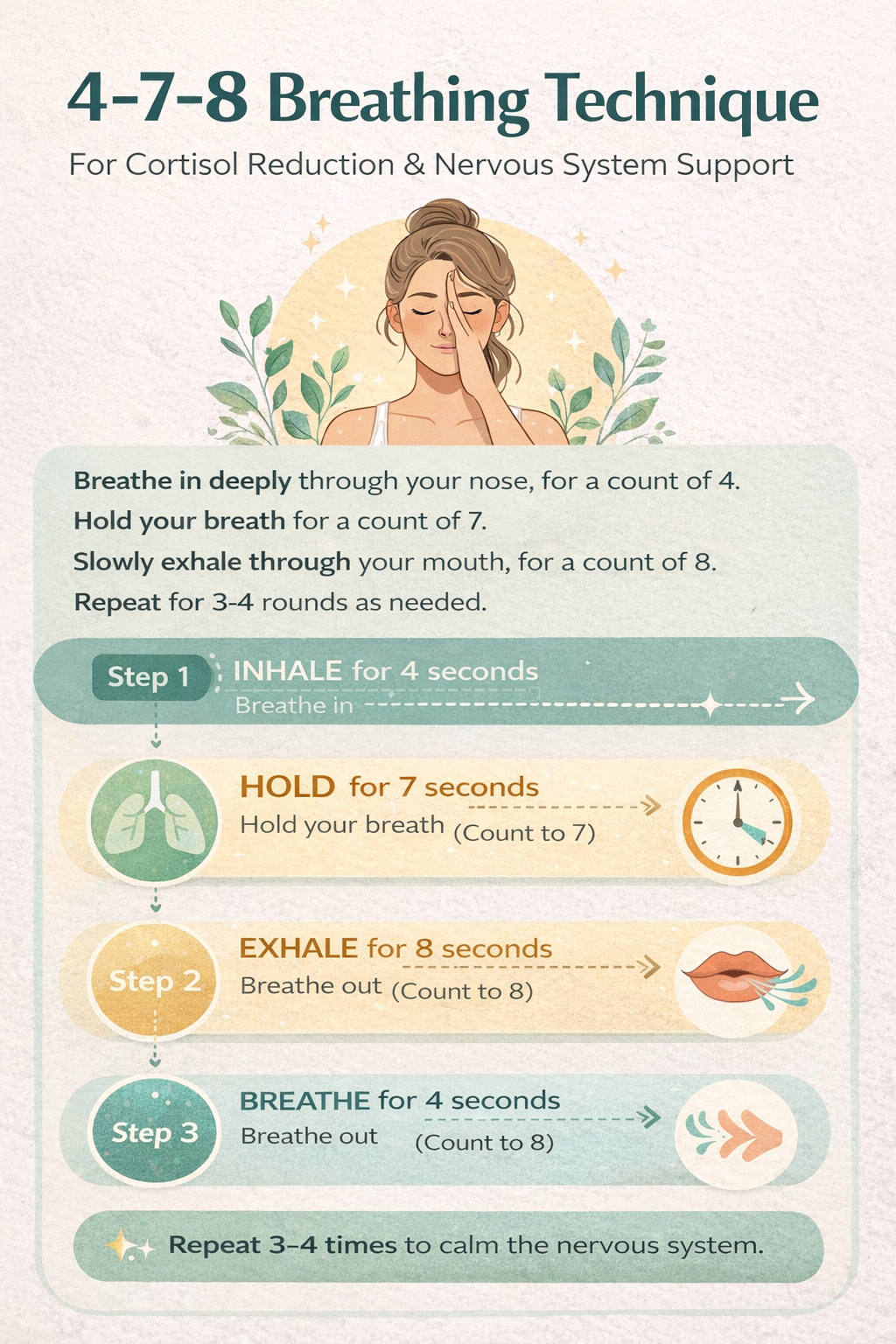
Instant cortisol reduction.
📔 Journaling for Hormonal Clarity
Tracking your mood, energy, and cycle symptoms increases self-awareness.
Over time, patterns appear:
- PMS intensity
- Energy dips
- Stress triggers
Pair journaling with cycle syncing (explained fully in Hormone Balance 101).
💬 Self-Compassion Lowers Cortisol
Self-criticism prolongs stress.
Self-compassion shortens it.
Research shows that women who practice self-kindness have lower cortisol levels and stronger emotional resilience.
Stress resilience isn’t about toughness — it’s about regulation.
🌞 Social & Spiritual Self-Care
👩❤️👩 Relationships Buffer Stress
Strong social bonds reduce inflammation and improve immune function.
Schedule:
- Weekly friend time
- Device-free dinners
- Intentional connection
🌳 Nature as Nervous System Medicine
Spending 20 minutes outdoors measurably lowers cortisol.
Forest walks, sunlight exposure, and grounding regulate circadian rhythm — which directly impacts hormone production.
🙏 Gratitude Rewires the Brain
Daily gratitude reduces anxiety and improves dopamine signaling.
Try writing 3 things you’re grateful for before bed.
Over time, your stress perception shifts.
🔥 5 Immediate Ways to Lower Stress Today
- Set boundaries — protect your time.
- Take a 20-minute walk outdoors.
- Eat a protein-rich meal (blood sugar stability prevents crashes).
- Do 3 rounds of 4-7-8 breathing.
- Go to bed 30 minutes earlier tonight.
Small shifts compound.
🎓 Self-Care for Students & High Performers
If you’re in school or working long hours:
Use the Pomodoro Technique:
- 25 minutes focused work
- 5-minute break
- Repeat
Add:
- 20-minute power naps
- Balanced snacks (protein + fat + fiber)
- Reduced caffeine after 2 PM
Energy management > time management.
🌈 The 7 Pillars of Self-Care
According to the International Self-Care Foundation, sustainable self-care includes:
- Knowledge & health literacy
- Mental wellness
- Physical activity
- Healthy eating
- Risk avoidance
- Hygiene
- Rational use of products
Instead of overhauling everything, focus on improving 1–2 pillars per week.
🌿 How Stress Impacts Female Hormones
Chronic stress can:
- Suppress ovulation
- Lower progesterone
- Elevate androgens
- Increase insulin resistance
- Worsen hormonal acne
This is why self-care must accompany hormone-balancing nutrition.
If you struggle with:
- Irregular cycles
- PMS
- Jawline breakouts
- 3 PM crashes
Start with:
👉 Hormone Balance 101
👉 Seed Cycling 101: The Complete Guide
👉 How to Do an Elimination Diet for Hormone Health
They work best when paired with nervous system support.
💌 Your Next Step: Stress Support + Hormone Support
If this resonated, don’t just read — implement.
Download:
The Free 7-Day Hormone-Balancing Meal Plan + Shopping List
Because when you combine:
- Anti-inflammatory meals
- Blood sugar stability
- Gut support
- Stress reduction
You don’t just reduce stress.
You transform your biology.
✨ Final Takeaway
Self-care is not selfish.
It is hormone regulation.
It is inflammation reduction.
It is nervous system repair.
It is longevity.
When you support your stress response daily, your energy stabilizes, your skin clears, your mood improves, and your body begins working with you again.
Start small.
Stay consistent.
Support your hormones.
Your future self will thank you.