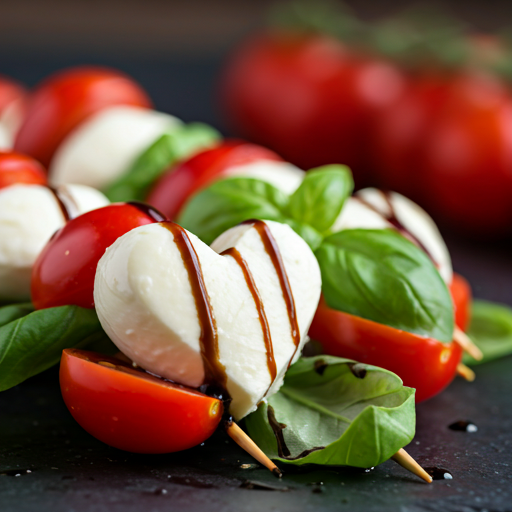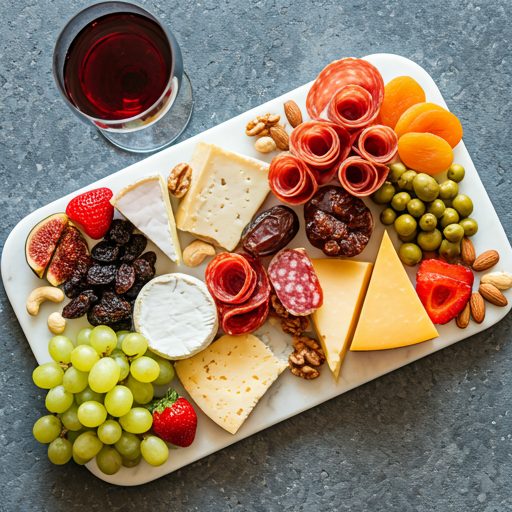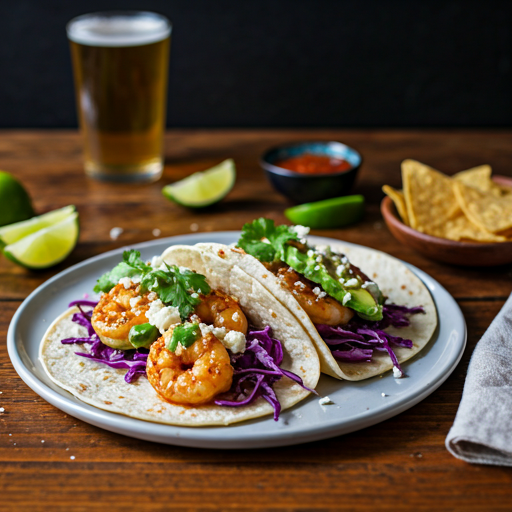
Discover how the latest large-scale research is transforming our understanding of the gut. A landmark 2025 study published in Nature, analyzing over 34,000 people, has given us a new roadmap for a healthy microbiome, directly linking specific dietary patterns to measurable health outcomes. This guide translates that cutting-edge science into actionable advice, showcasing the top gut-healing foods that research confirms can reduce bloating, repair your microbiome, and boost your energy.
Thank you for reading this post, don’t forget to subscribe!Why Your Gut Microbiome is the Core of Your Health
Your gut is more than a digestion tube; it’s a complex ecosystem teeming with trillions of bacteria, fungi, and viruses—collectively known as your gut microbiome. This community acts like an internal garden, and the food you eat determines which “plants” thrive.
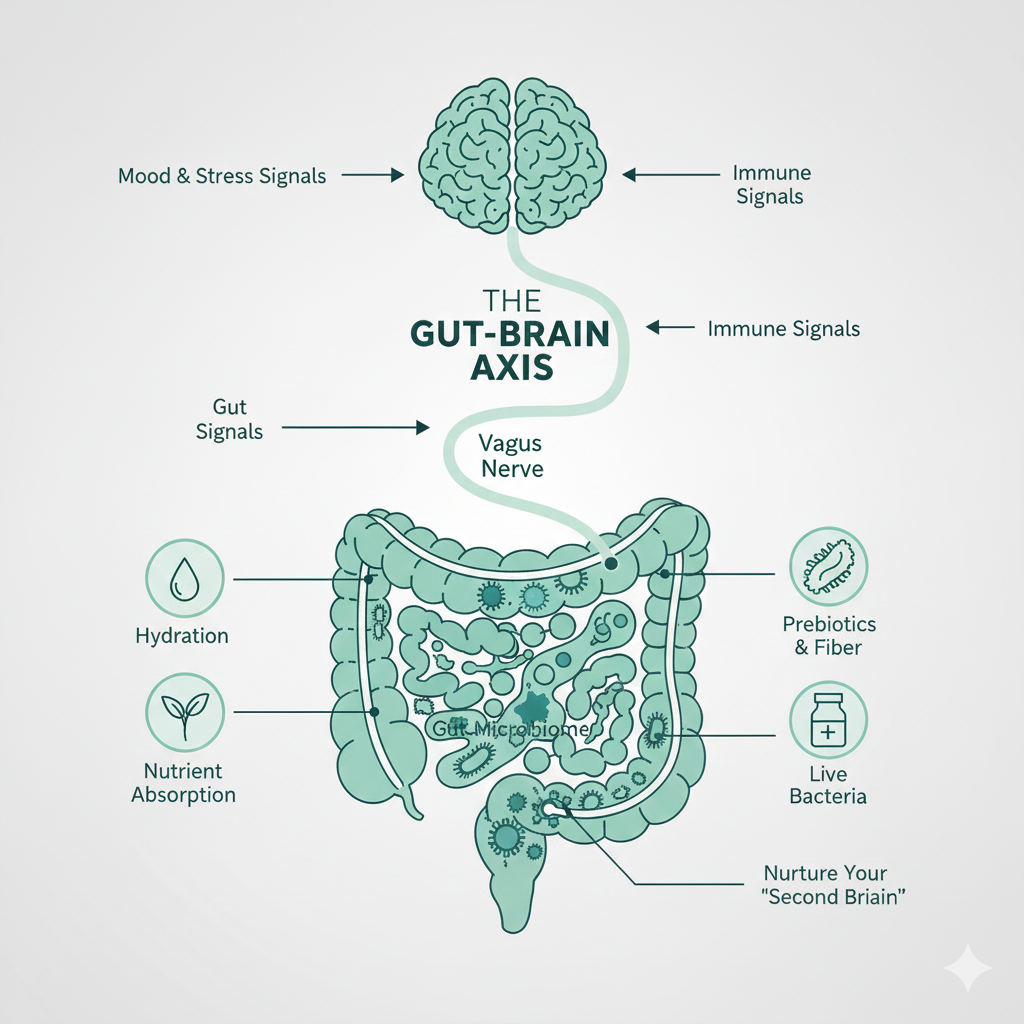
Modern science now has a clearer picture of what a healthy garden looks like. The 2025 “ZOE Microbiome Health Ranking” study identified specific microbial species strongly associated with favorable health markers like healthy blood sugar and cholesterol levels. Crucially, the study found that a higher abundance of these beneficial species was directly linked to better diet quality scores. The message is clear: you cultivate a resilient, health-promoting microbiome through your daily food choices.
Key Takeaway: Think of your diet as the fertilizer for your internal microbial garden. The right foods help beneficial species flourish, which in turn supports your overall health.
The Gut Health Food Framework: A New Scientific Lens
Recent research provides a powerful framework for choosing gut-healthy foods. Scientists have developed tools like the Dietary Index for Gut Microbiota (DI-GM), which scores foods based on their proven impact on microbial diversity. Furthermore, the ZOE PREDICT studies highlight that the most beneficial gut species are often fueled by plant-based, high-fiber diets.
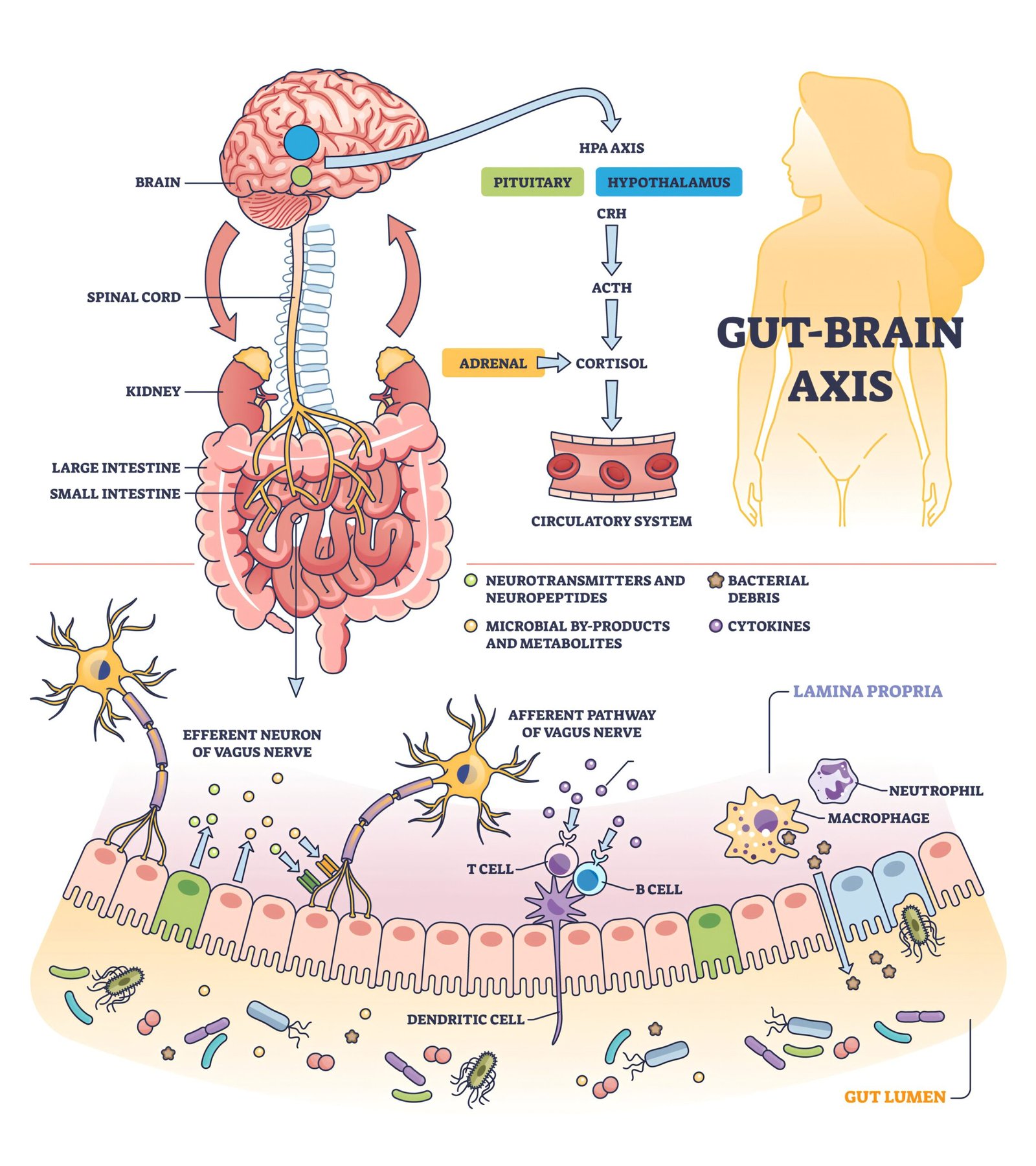
The following table summarizes the core principles this new science reinforces, moving beyond general advice to data-backed strategies.
| Principle | What It Means | Supported By |
|---|---|---|
| Prioritize Diverse Fiber | Different fibers feed different good bacteria. Aim for 25-30g daily from varied sources. | DI-GM Index; “Fibermaxxing” trend. |
| Embrace Fermentation | Fermented foods introduce beneficial live cultures (probiotics) to your gut. | ZOE study links fermented dairy to favorable microbes. |
| Feed with Prebiotics | These are fibers (e.g., in garlic, onions) that act as food for your good bacteria. | A core component of the DI-GM scoring system. |
| Choose Whole over Processed | Minimize refined grains and sugars, which are linked to less favorable microbial profiles. | DI-GM and ZOE rankings both flag these as detrimental. |
10 Science-Backed, Gut-Healing Foods to Eat Regularly
Integrate these foods into your diet to align with the latest scientific findings and nurture your microbiome.
1. Yogurt & Kefir (Fermented Dairy)
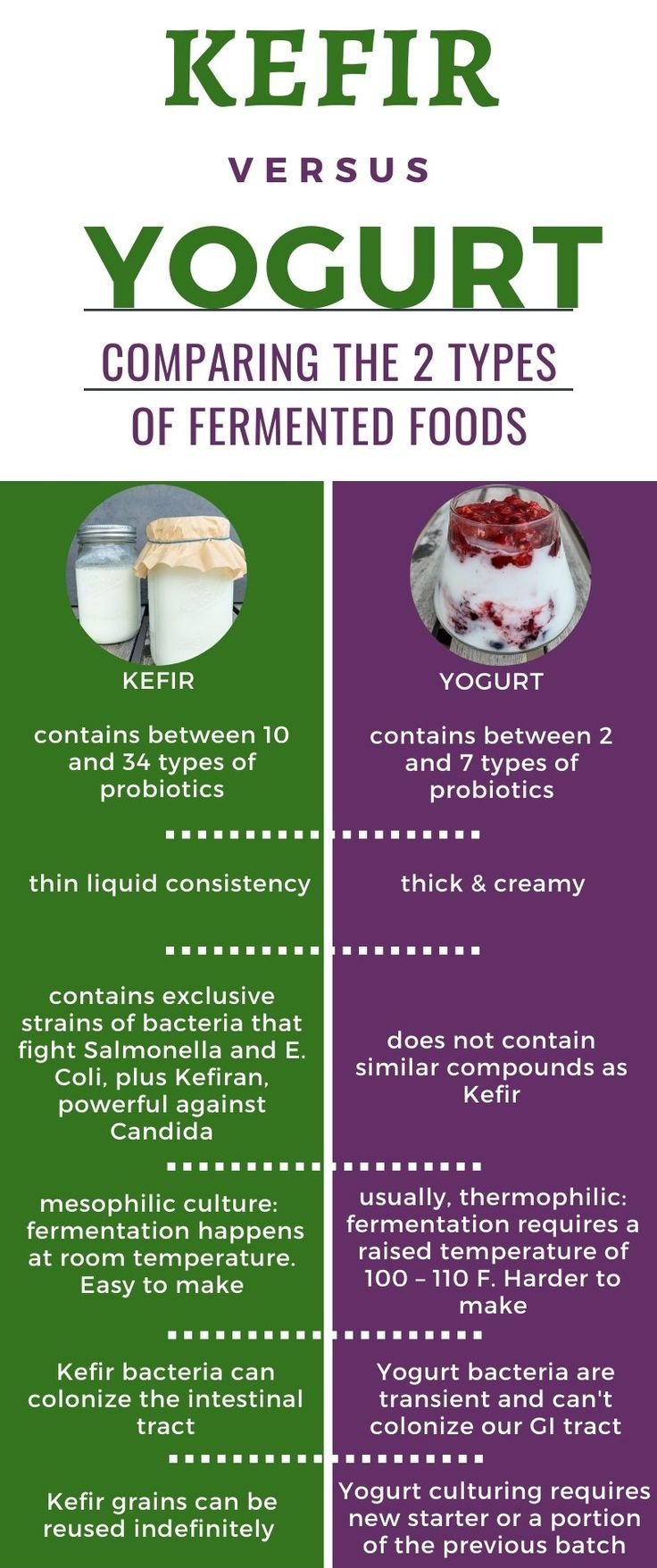
These are cornerstone foods in gut-health research. The DI-GM index scores fermented dairy as a key beneficial component. Kefir, in particular, is a probiotic powerhouse with numerous bacterial strains. Choose plain, unsweetened versions to avoid sugar, which can counteract the benefits.
2. Sauerkraut & Kimchi
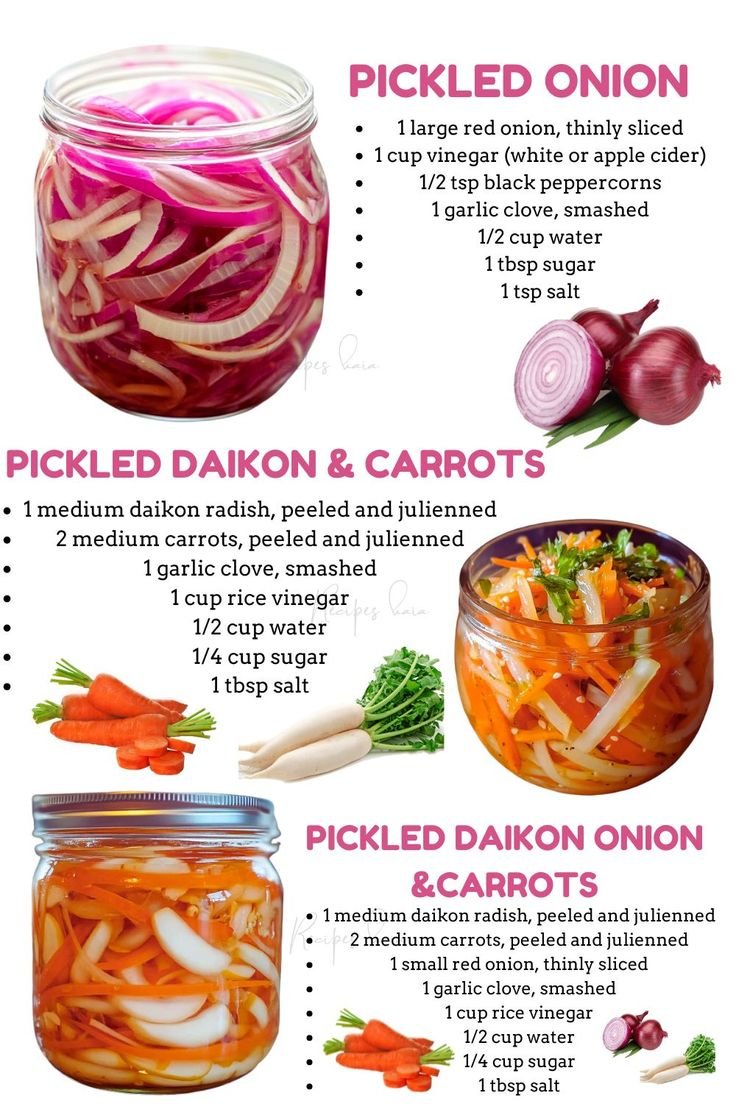
These fermented vegetables are excellent natural sources of probiotics and have been celebrated for their health properties for centuries. The live bacteria they contain can help modulate your gut community. A 2025 trends report notes that such traditional fermented foods remain top superfoods for good reason.
3. Whole Grains (Oats, Barley, Quinoa)
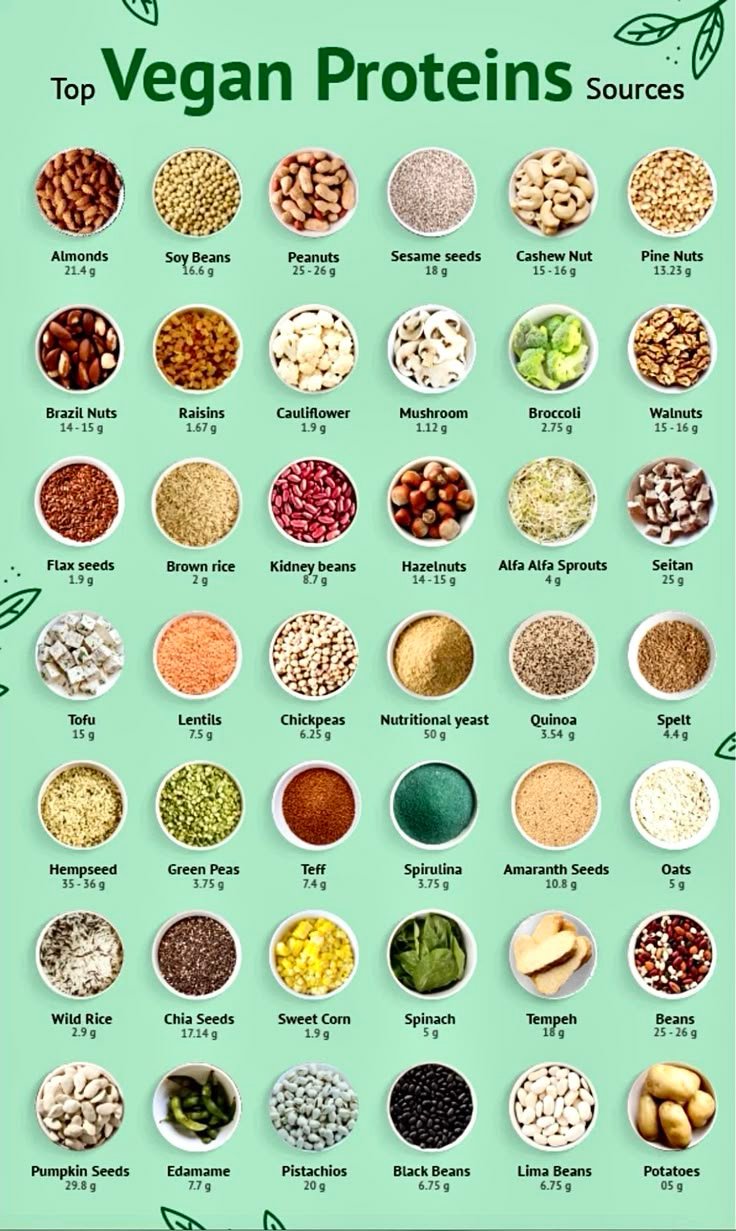
A primary source of beta-glucan and other fermentable fibers, whole grains are essential for feeding good bacteria. The ZOE study strongly associates diets rich in high-quality plant foods with favorable microbiome profiles. Swap refined grains (white bread, pasta) for whole versions to directly support this principle.
4. Legumes (Chickpeas, Lentils, Beans)
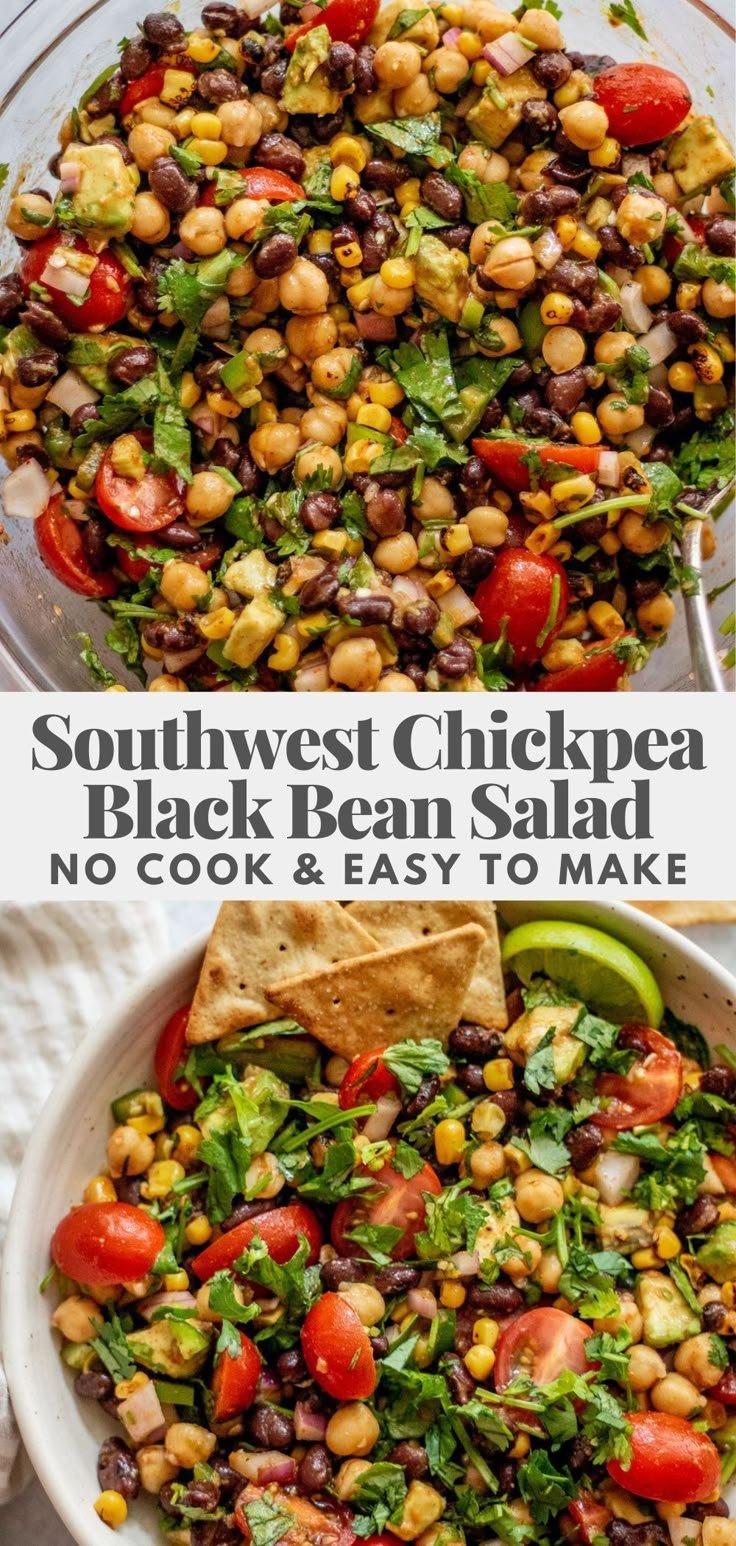
Chickpeas are specifically listed as a beneficial component in the DI-GM index. Legumes are packed with fiber that resists digestion until it reaches your colon, where it becomes a premier food source for your beneficial gut bacteria. They are a cornerstone of plant-based, gut-friendly diets like the Mediterranean diet.
5. Garlic & Onions
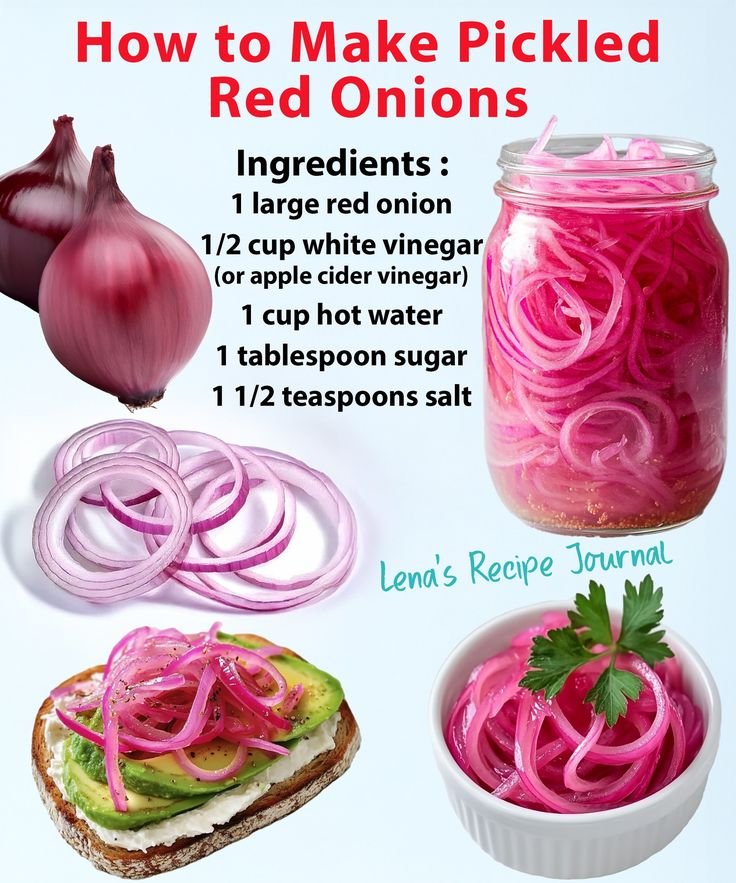
These culinary staples are rich in inulin and fructooligosaccharides (FOS), potent prebiotics. They don’t add bacteria themselves but provide the necessary fuel for the good bacteria you already have to grow and thrive, making them a critical part of the gut-health equation.
6. Bananas (Especially Slightly Green)
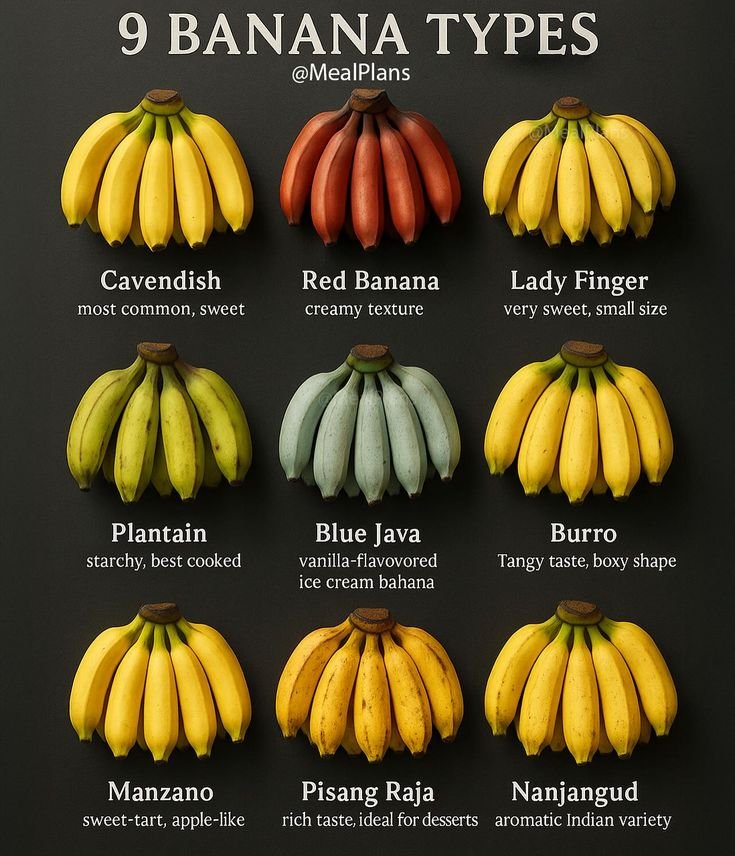
Slightly underripe bananas are an excellent source of resistant starch, a type of prebiotic fiber. As bananas ripen, this starch converts to sugar, so choosing greener bananas maximizes the gut benefit. They’re a gentle, easy way to add prebiotics to your day.
7. Broccoli & Leafy Greens
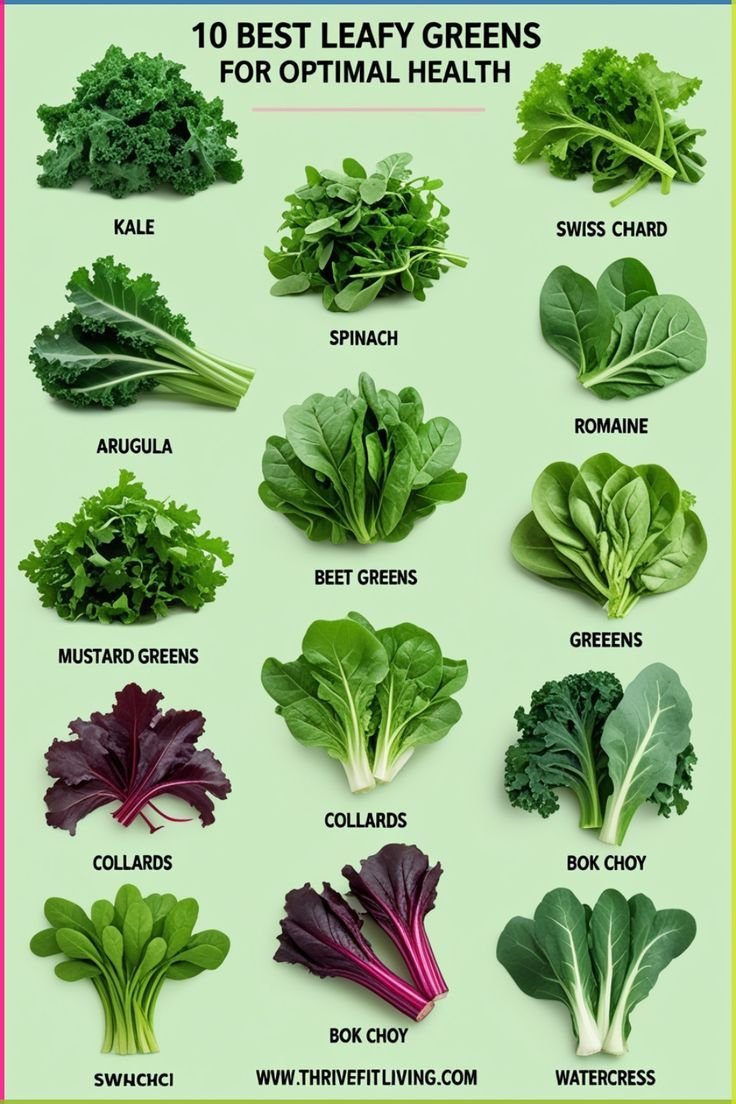
Broccoli is another food explicitly validated by the DI-GM index. These vegetables are rich in fiber and contain sulforaphane, a compound with anti-inflammatory properties that may help create a healthier gut environment.
8. Healthy Fats from Plants & Fish
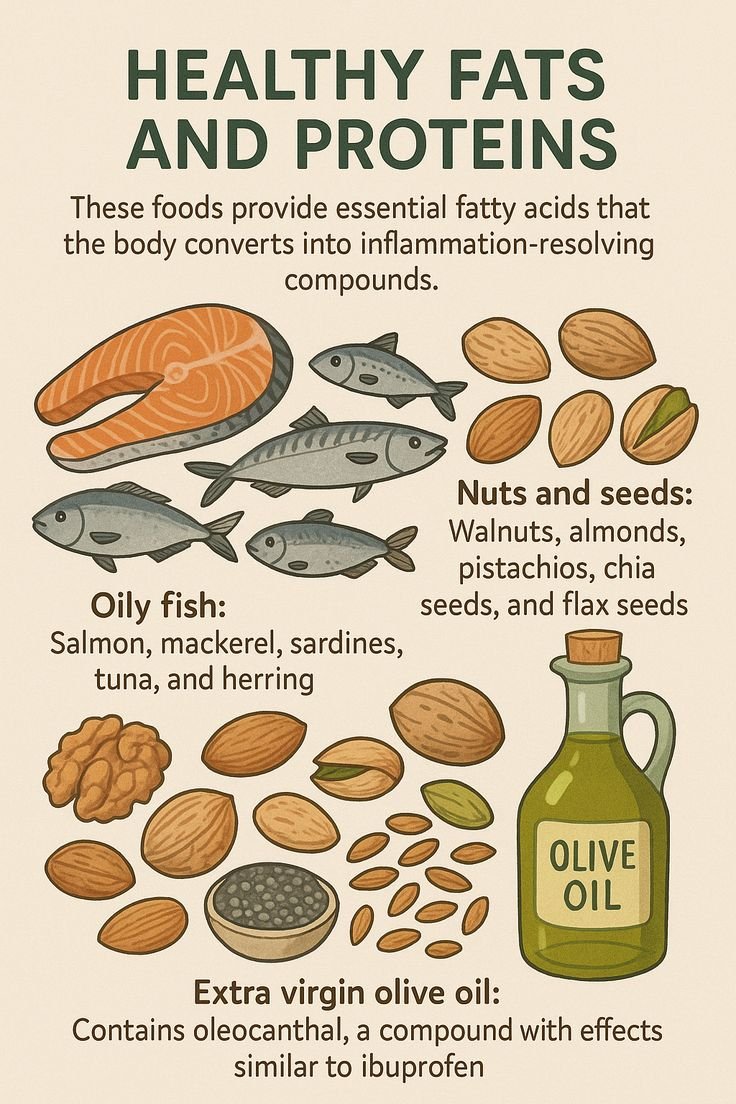
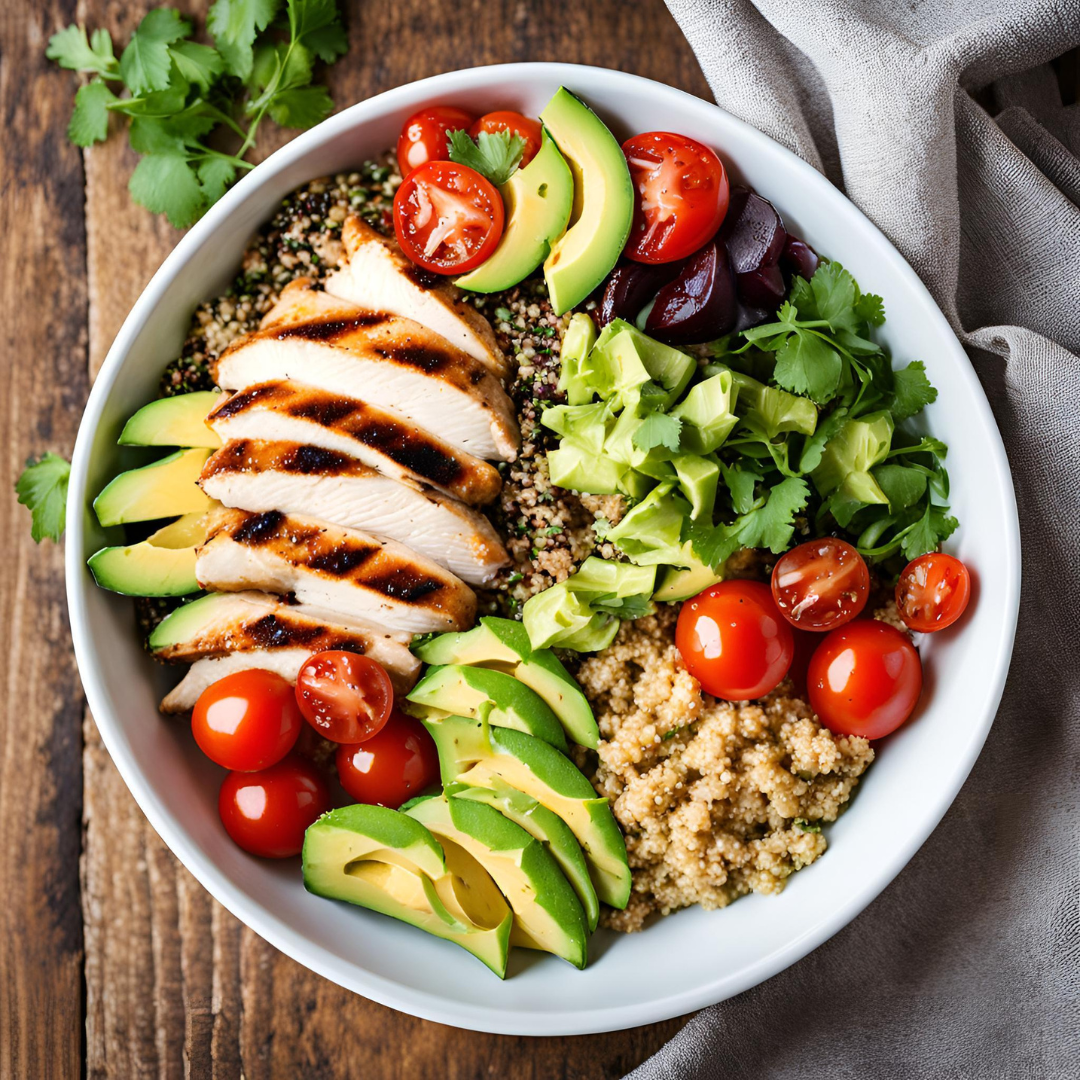
While very high-fat diets (≥40% of calories) can be detrimental, the right fats are crucial. The fats in avocados (another DI-GM listed food), olive oil, nuts, seeds, and fatty fish like salmon have anti-inflammatory effects that support the gut lining.
9. Berries & Cherries
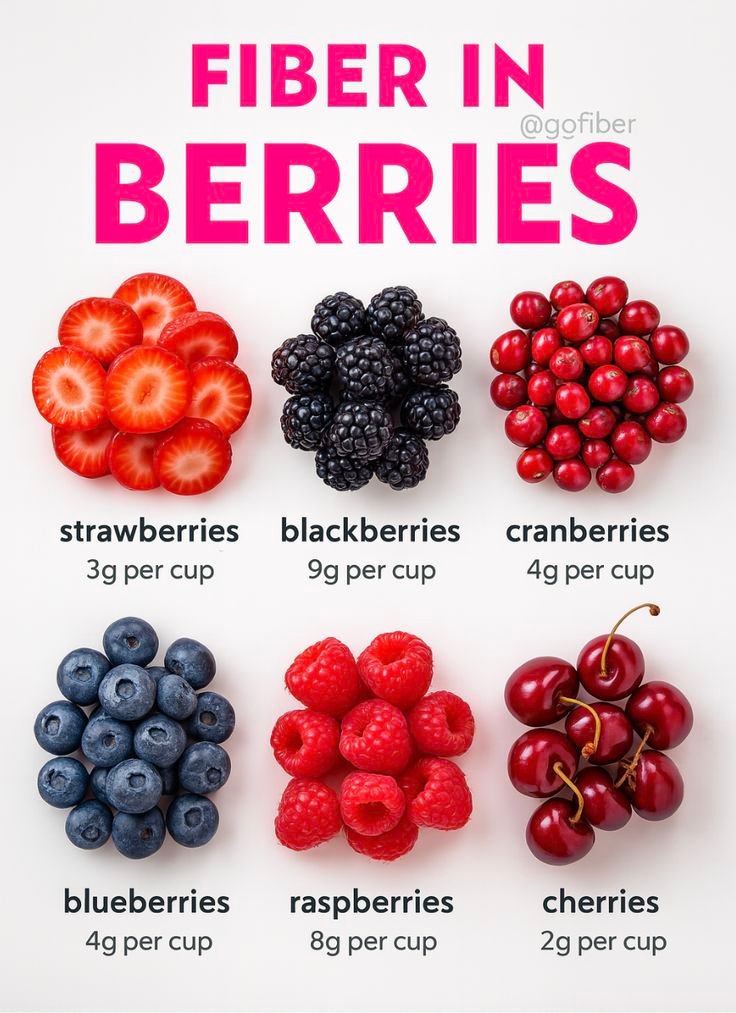
Cranberries are highlighted in the DI-GM index. All berries and cherries are loaded with polyphenols—plant compounds with antioxidant properties. Research suggests your gut bacteria metabolize these polyphenols, which may promote the growth of beneficial species.
10. Green Tea & Coffee

Yes, your favorite beverages can help! Both green tea and coffee (in moderation) are rich in polyphenols and are included as beneficial elements in the DI-GM. They contribute to the diversity of plant compounds that nourish a complex microbiome.
What to Limit for Gut Health
For a complete guide, it’s just as important to know what to reduce. The DI-GM index and other studies suggest limiting:
- Refined Grains & Sugars: These can feed less beneficial bacteria and are associated with unfavorable microbiome profiles.
- High Intakes of Red & Processed Meat: Linked to higher levels of gut microbes associated with inflammation.
- Artificial Sweeteners: Some studies suggest they may negatively alter gut bacteria, though more research is needed.
- Overuse of Antibiotics: While sometimes necessary, they can significantly deplete good bacteria. Always use them only as prescribed by a doctor.
How to Build Your Gut-Health Plate
Putting this into practice is simple. Aim for each meal to include:
- A Fiber-Rich Base: Fill half your plate with colorful vegetables and/or whole grains.
- A Quality Protein: Include legumes, fish, or fermented dairy like yogurt.
- A Source of Healthy Fat: Add avocado, olive oil, or nuts.
- Flavor with Herbs & Spices: Use garlic, onions, and ginger liberally.
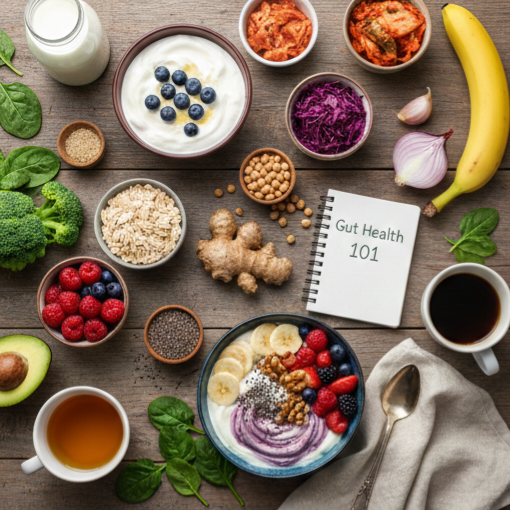
Start your day with a Gut-Healthy Breakfast Bowl by combining oats (whole grain), yogurt (fermented dairy), a sliced green banana (prebiotic), and a handful of berries (polyphenols).
Frequently Asked Questions
How long does it take to improve your gut health?
Dietary changes can begin to shift your microbiome within a few days, but sustained improvements—where new, beneficial bacterial populations become well-established—often take several weeks to months of consistent habits.
Should I take a probiotic supplement?
Foods first. Supplements can be helpful in specific cases, but a diverse diet rich in the foods listed above provides a broader range of nutrients and fibers that no single pill can match. The probiotics in food are also naturally packaged with other beneficial compounds.
Can these foods help with bloating or constipation?
Yes. The 2025 DI-GM study found a direct link: a higher gut-friendly diet score was associated with a 52% lower prevalence of constipation. Increasing fiber and fermented foods improves stool consistency and regularity, while reducing bloating-causing processed foods often brings relief.
Final Thoughts: Your Journey Starts Now
Healing your gut is a journey of consistent, mindful choices, not perfection. By focusing on the science-backed, gut-healing foods outlined here—prioritizing fiber, fermentation, and whole plants—you provide your microbiome with the tools it needs to rebalance and thrive.
Start with one small change this week, like adding a serving of sauerkraut to your salad or swapping your afternoon snack for a handful of nuts and berries. Your gut, and your overall well-being, will thank you for it.
Ready to begin? 👉 Download Your Printable 7-Day Gut-Healing Meal Plan Here. Print it, stick it on your fridge, and enjoy your journey to a healthier gut!
Related posts:
 10 High-Protein Snacks Under 200 Calories: Fuel Your Day Without the Guilt
 The 30 Greatest Psychology Books of All Time (Reader-Voted & Expert-Enhanced) 📚🧠
 🌿 The Life-Changing Power of Self-Care: Your Ultimate Guide to Stress Reduction & Well-Being
 7-Day Cortisol Detox Plan Complete Nutrition & Training Reset Program