
Introduction
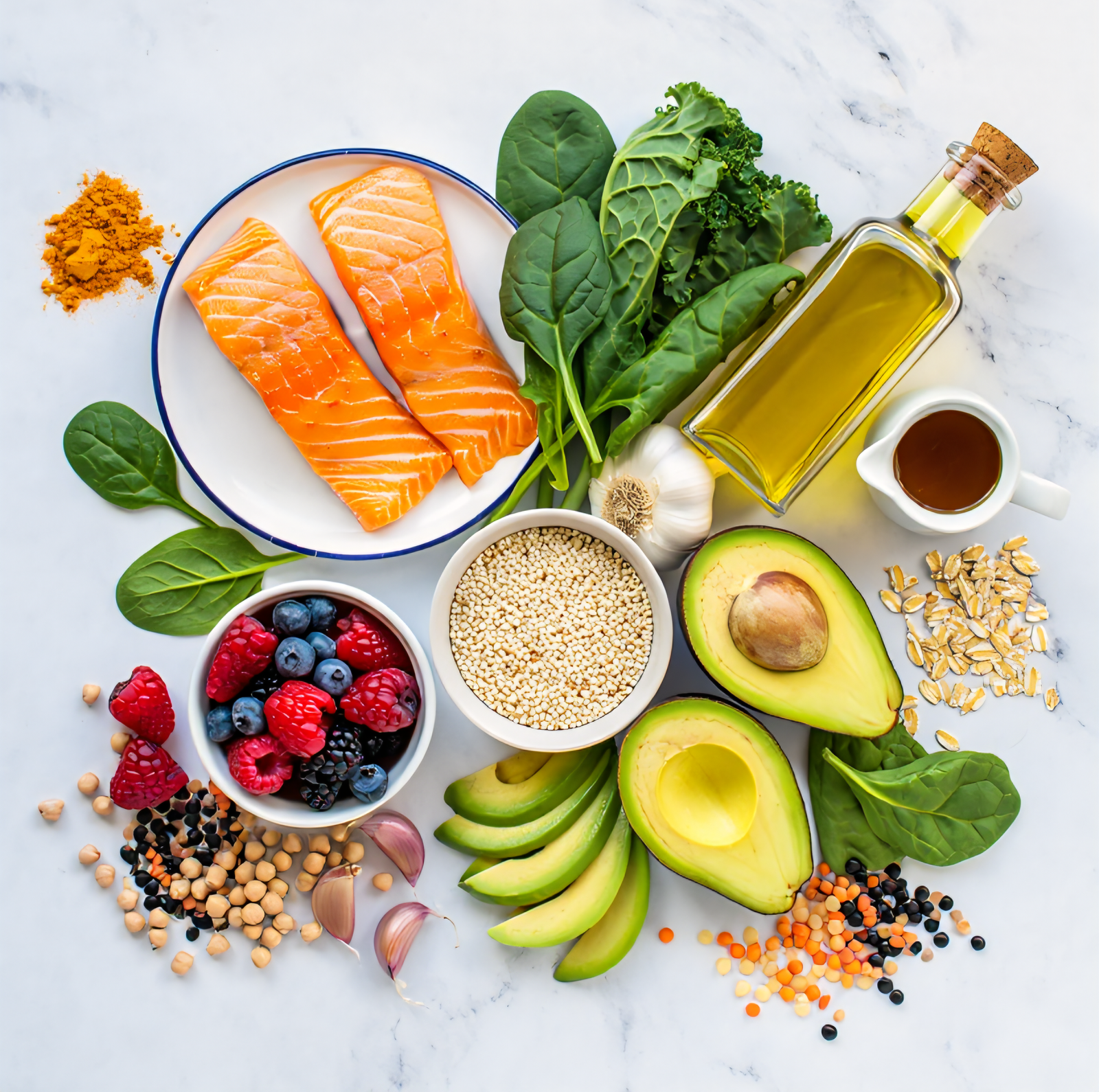
Your immune system is your body’s incredibly complex, 24/7 defense network. 🛡️ While no single food is a magic pill against illness, building your diet around nutrient-dense, whole foods lays the strongest possible foundation for resilience.
Thank you for reading this post, don’t forget to subscribe!This post dives deep into 10 science-backed superfoods that support immune function. You’ll learn how they work and get simple, delicious ways to add them to your meals. Let’s build your plate for power!
What Are the Best Foods to Boost Immunity?
The best immune-boosting foods include red bell peppers, garlic, ginger, spinach, yogurt with probiotics, almonds, turmeric, green tea, blueberries, and sunflower seeds. These foods support immune function through vitamins C, E, B6, antioxidants, probiotics, and anti-inflammatory compounds.

The Top 10 Immune-Boosting Foods
1. Red Bell Peppers 🫑
- Health Benefits: Forget the orange—red bell peppers are the unsung Vitamin C champions, containing over 3 times more per serving! Vitamin C is crucial for stimulating the production and function of white blood cells, your body’s first responders. They’re also rich in beta-carotene, which your body converts to Vitamin A, essential for maintaining healthy skin and mucous membranes—key physical barriers against pathogens.
- Scientific Reference: “Vitamin C contributes to immune defense by supporting various cellular functions of both the innate and adaptive immune system.” — Source: Nutrients Journal, 2017.
- Recipe Ideas:
- Roasted Red Pepper & Tomato Soup
- Stuffed Bell Peppers with Quinoa and Black Beans
- Zesty Red Pepper Hummus
2. Garlic 🧄
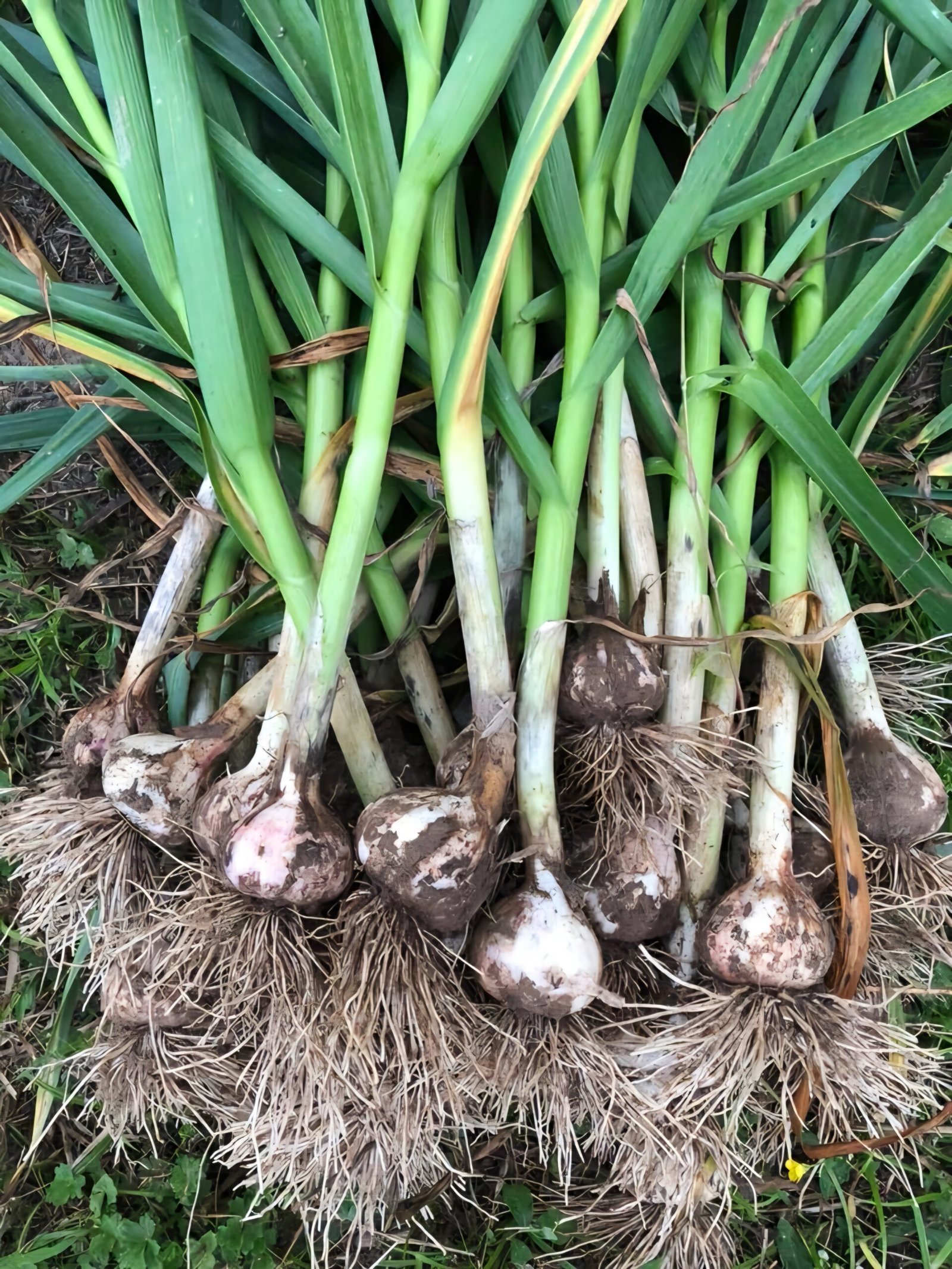
- Health Benefits: Garlic’s potent power comes from allicin, a sulfur-containing compound formed when garlic is crushed or chopped. Allicin has well-studied antimicrobial and antiviral properties, which may help the body fight off infections. It’s also known to support heart health, which is always a bonus!
- Scientific Reference: Studies have shown aged garlic extract can enhance immune cell function and reduce the severity of cold and flu symptoms. Source: Journal of Immunology Research, 2015.
- Recipe Ideas:
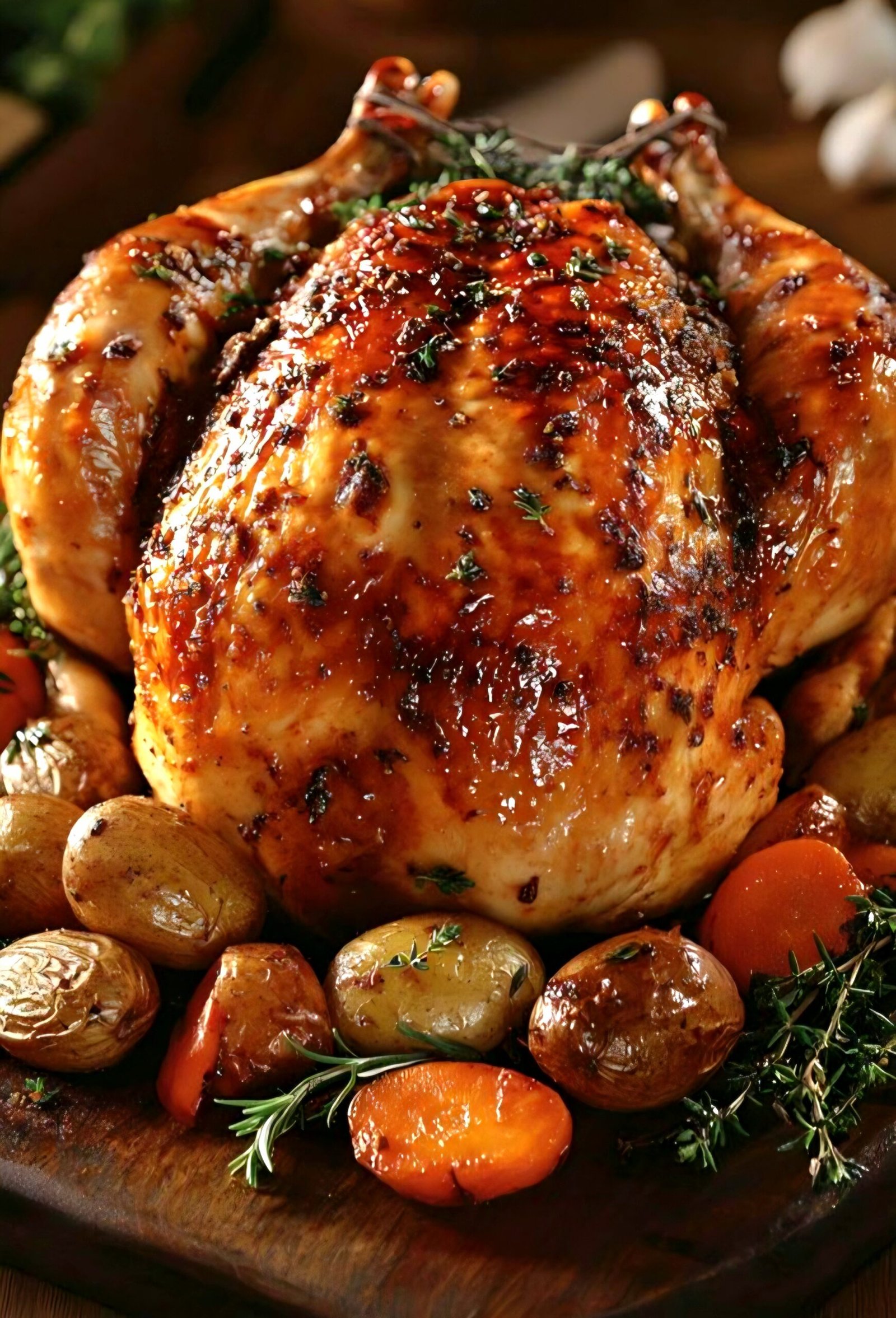
- Immune-Boosting Garlic Lemon Chicken
- Garlic & Ginger Turmeric Shot
- Hearty Garlic and Kale Sauté
3. Ginger 🥄
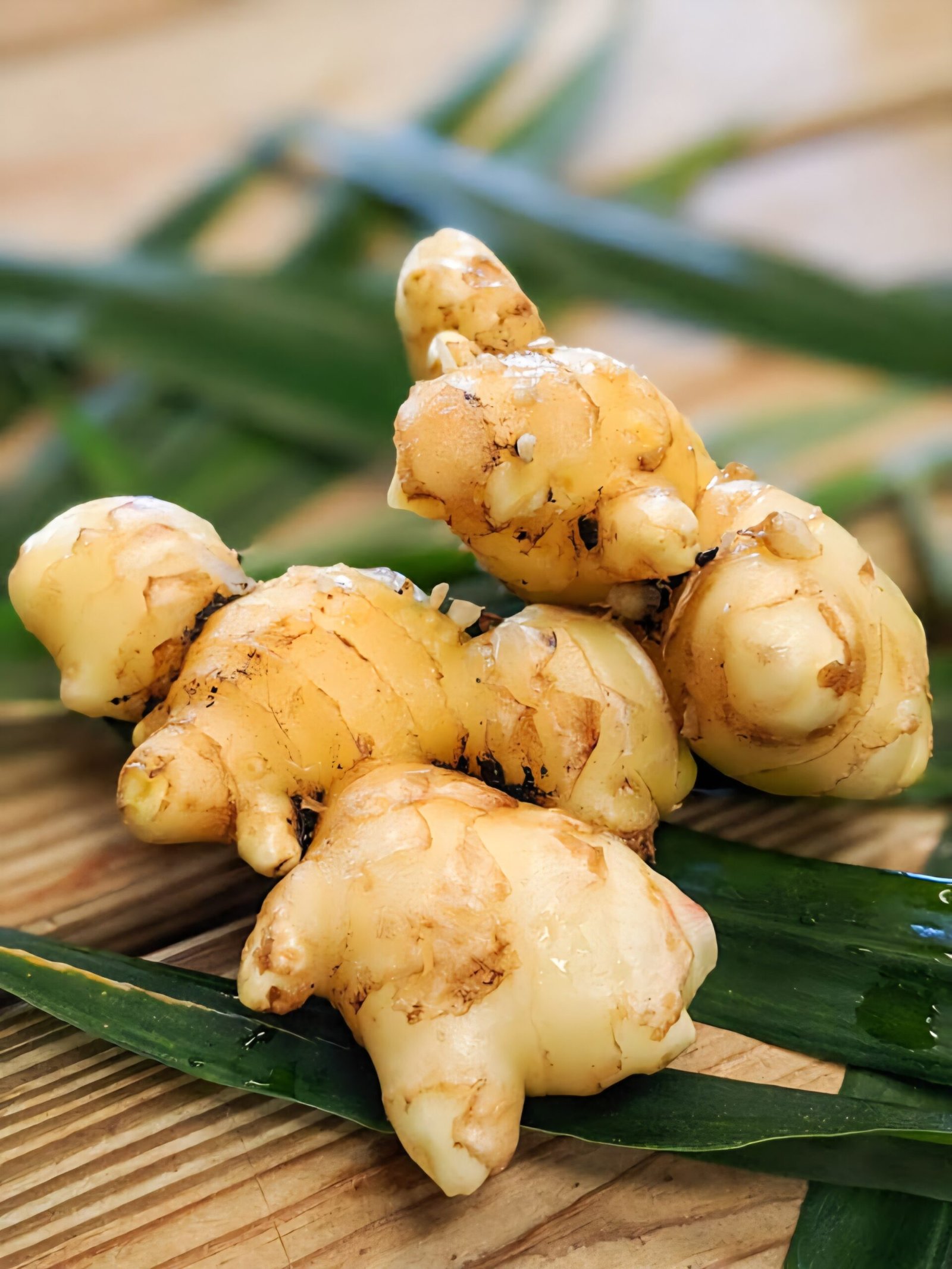
- Health Benefits: Ginger is a classic remedy for nausea and sore throats, thanks to its bioactive compound gingerol. It has powerful anti-inflammatory and antioxidant effects, which can help reduce chronic inflammation that wears down the immune system over time. Its warming properties can also promote healthy sweating, which is part of the body’s detoxification process.
- Scientific Reference: Research indicates ginger can inhibit inflammatory pathways and possesses antimicrobial potential. Source: International Journal of Preventive Medicine, 2013.
- Recipe Ideas:
- Fresh Ginger Tea with Lemon and Honey
- Carrot Ginger Soup
- Ginger Stir-Fry Sauce
4. Spinach 🥬
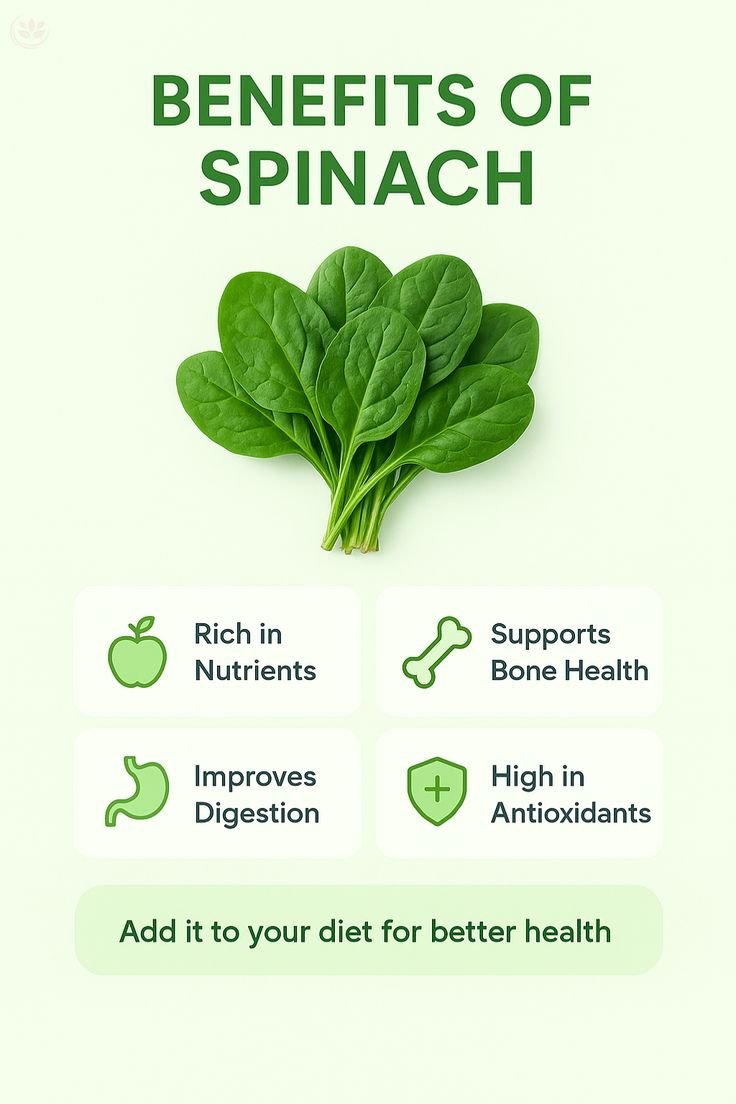
- Health Benefits: Spinach is a true nutrient powerhouse, packed with Vitamin C, antioxidants, and beta-carotene. It’s also an excellent source of folate, which is vital for proper cell division and DNA synthesis—critical for rapidly dividing immune cells. For best absorption, eat it lightly cooked.
- Scientific Reference: Folate deficiency has been linked to impaired immune response. The nutrients in spinach work synergistically to support overall immune health. Source: Clinical Immunology, 2008.
- Recipe Ideas:
- Creamy Spinach and Lentil Dahl
- Scrambled Eggs with Spinach and Garlic
- Simple Sautéed Spinach side dish
5. Yogurt (Probiotics) 🥣
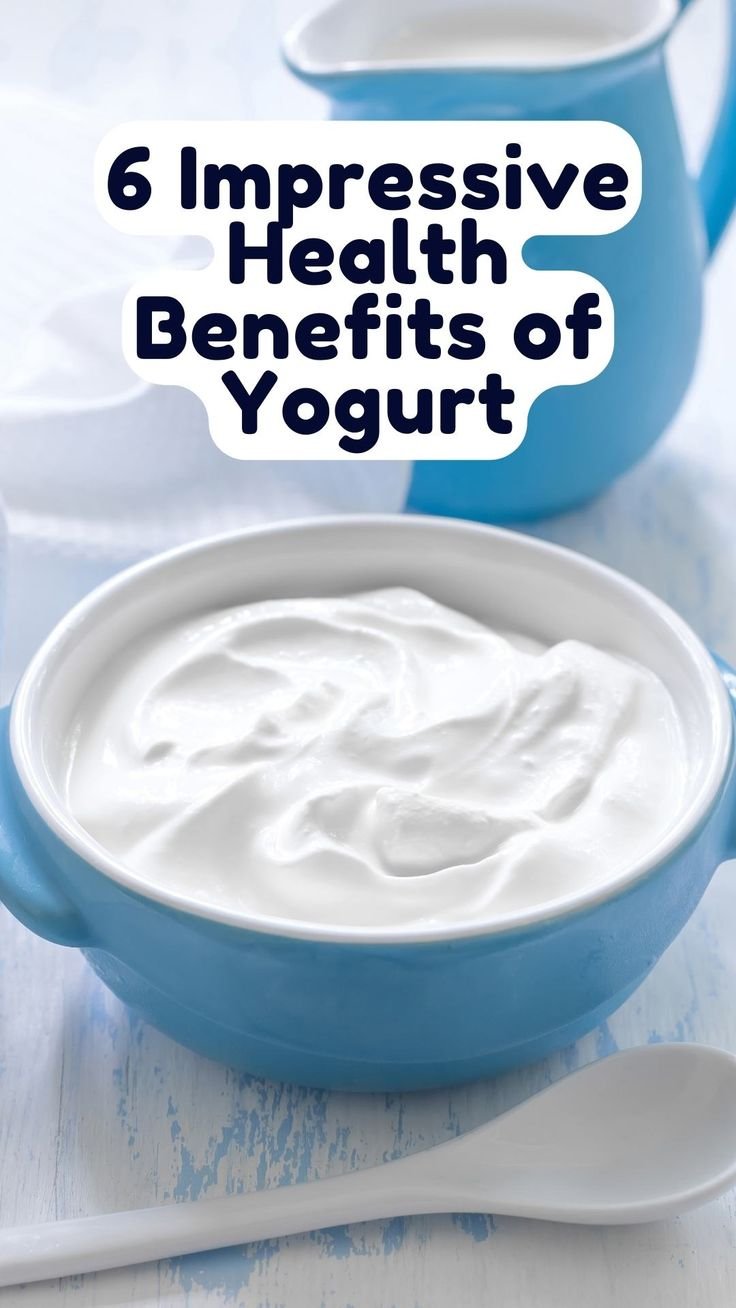
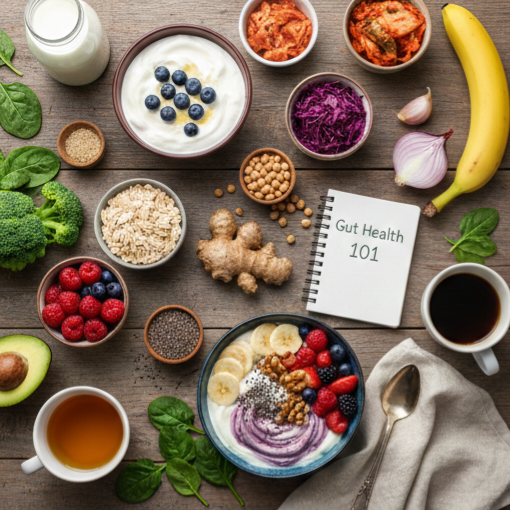
- Health Benefits: Look for yogurts with “live and active cultures” to get a dose of beneficial probiotics. A massive 70-80% of your immune tissue resides in your gut! A healthy gut microbiome, supported by probiotics, is essential for regulating immune response and communicating with immune cells throughout the body, including the lungs (the gut-lung axis).
- Scientific Reference: “Probiotics can enhance innate immunity by modulating gut microbiota.” — Source: Current Opinion in Gastroenterology, 2020.
- Recipe Ideas:
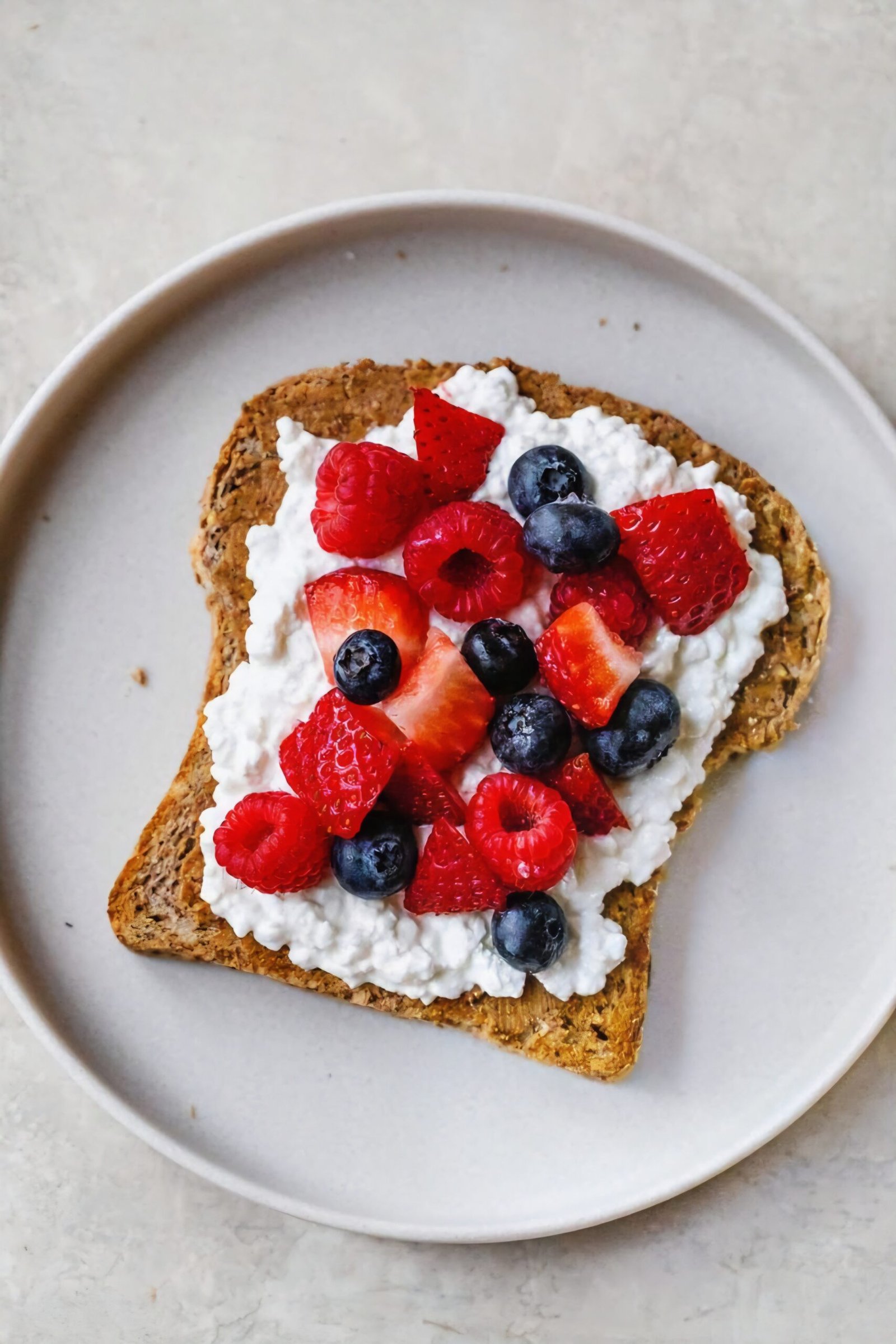
- Probiotic Breakfast Parfait with Berries and Almonds
- Yogurt-Based Creamy Herb Dip
- Overnight Oats with Yogurt and Chia Seeds
6. Almonds 🥜

- Health Benefits: Almonds are one of the best food sources of Vitamin E, a fat-soluble antioxidant. Vitamin E is key to maintaining the integrity of cell membranes, protecting cells—including immune cells—from oxidative damage caused by free radicals. A small handful (about 1/4 cup) provides nearly 50% of your daily needs.
- Scientific Reference: Adequate Vitamin E intake is crucial for optimal function of T-cells, a type of white blood cell. Source: Nutrients, 2018.
- Recipe Ideas:
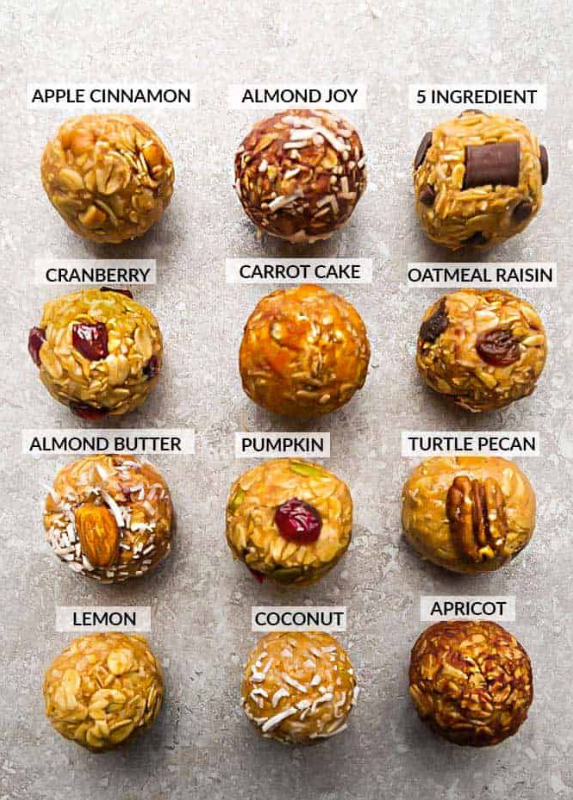
- Homemade Almond Butter
- Almond-Crusted Baked Fish
- Add a handful to salads, oatmeal, or yogurt.
7. Turmeric 🌟

- Health Benefits: The vibrant yellow color of turmeric comes from curcumin, its main active compound. Curcumin is a potent anti-inflammatory agent and modulates the immune system, meaning it can help calm an overactive response (as in autoimmune conditions) and boost a sluggish one. Pair it with black pepper to dramatically increase absorption!
- Scientific Reference: “Curcumin’s ability to modulate the immune system has been demonstrated through its effects on various immune cells.” — Source: Foods, 2017.
- Recipe Ideas:
- Golden Milk Latte
- Turmeric Roasted Cauliflower
- Add to soups, stews, and rice dishes.
8. Green Tea 🍵
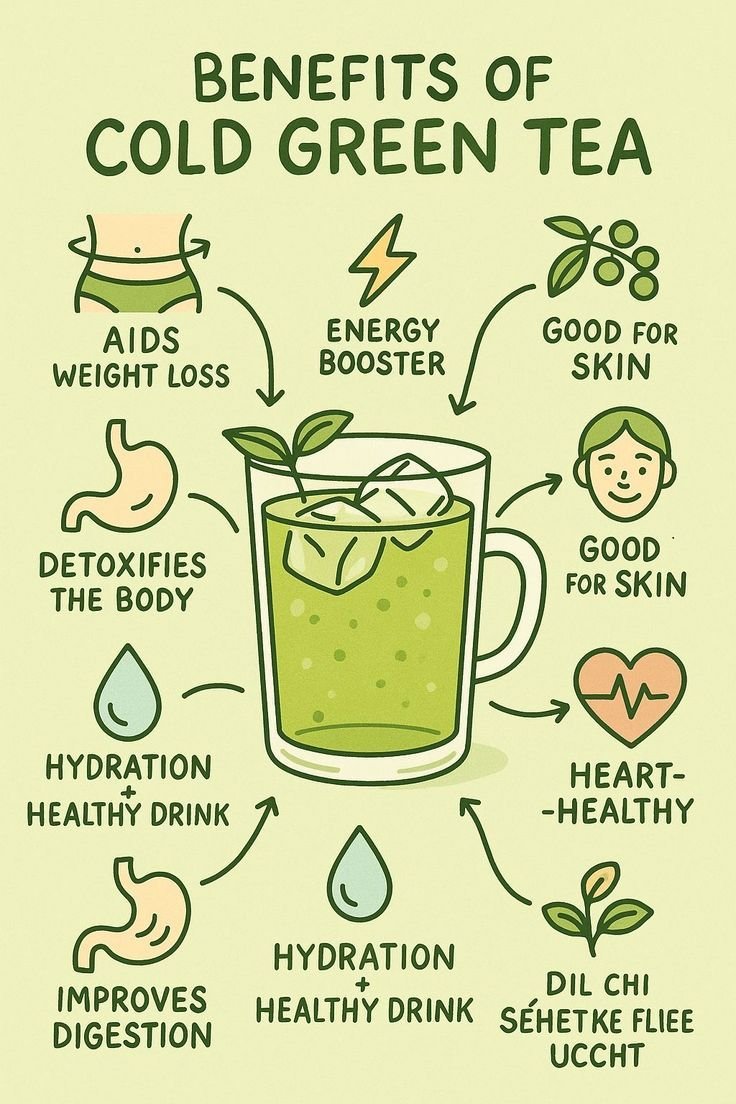
- Health Benefits: Green tea is loaded with catechins, particularly EGCG (epigallocatechin gallate), a powerful antioxidant. EGCG has been shown to enhance immune function by supporting the production of regulatory T-cells. Unlike black tea, green tea is minimally processed, preserving these beneficial compounds.
- Scientific Reference: Studies suggest the catechins in green tea can have both antimicrobial effects and can enhance immune cell function. Source: Molecular Nutrition & Food Research, 2013.
- Recipe Ideas:
- Classic Steeped Green Tea (don’t use boiling water!)
- Matcha Smoothie
- Use cooled green tea as a base for oatmeal.
9. Blueberries 🔷
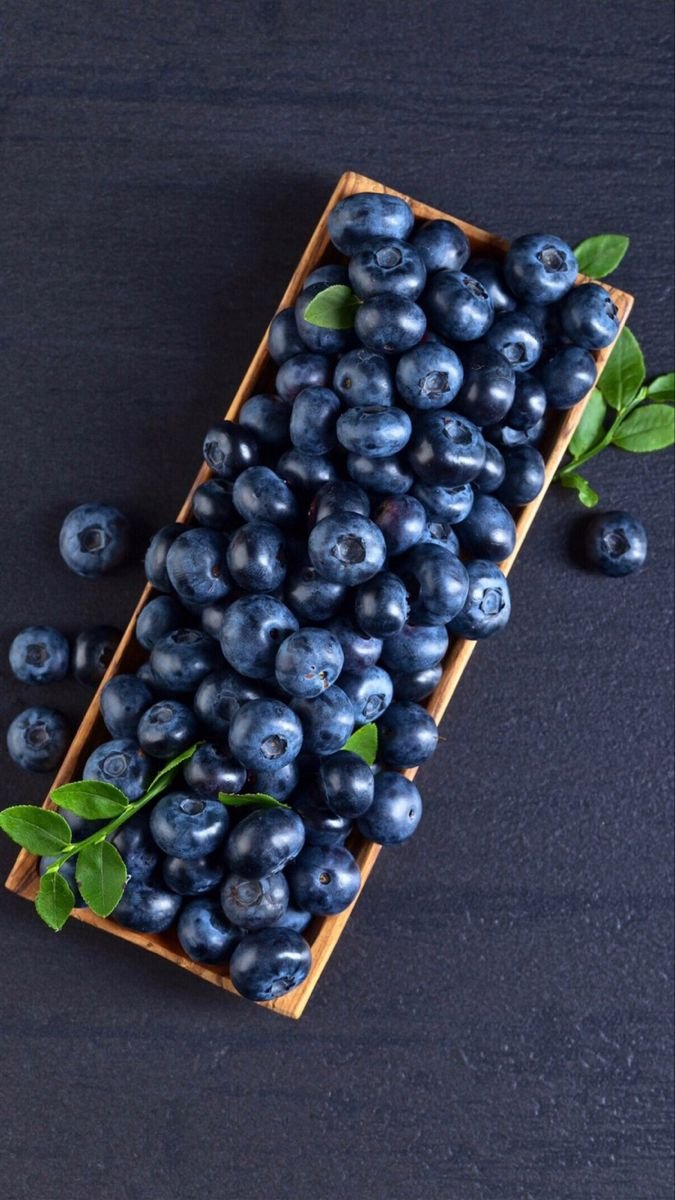
- Health Benefits: Blueberries get their deep blue hue from anthocyanins, a type of flavonoid with exceptional antioxidant activity. These antioxidants help protect immune cells from damage and reduce oxidative stress. Some research also points to their role in supporting the defense systems of the respiratory tract.
- Scientific Reference: Flavonoids like those in blueberries are essential for a resilient respiratory immune defense. Source: Advances in Nutrition, 2020.
- Recipe Ideas:
- Antioxidant Berry Smoothie
- Blueberry Chia Seed Jam
- Toss into salads or enjoy by the handful.
10. Sunflower Seeds 🌻

- Health Benefits: These tiny seeds are a powerhouse of nutrients essential for immune function. They are exceptionally high in Vitamin E, Phosphorus, Magnesium, and Vitamin B-6. B-6 is vital for the biochemical reactions in the immune system, including the production of new, healthy immune cells.
- Scientific Reference: Vitamin B6 deficiency can lead to a decreased antibody production and reduced lymphocyte proliferation. Source: Frontiers in Nutrition, 2017.
- Recipe Ideas:
- Sprinkle on salads, avocado toast, or soups.
- Homemade Sunflower Seed Pesto
- Add to homemade trail mix.

👉 You may also like: 7 Anti-Inflammatory Smoothies for Hormone Balance
Summary Table: Nutrients at a Glance 📋
| Food | Key Nutrient | Primary Immune Benefit |
|---|---|---|
| Red Bell Pepper | Vitamin C & Beta-Carotene | White blood cell production & mucosal health |
| Garlic | Allicin | Antibacterial & Antiviral properties |
| Ginger | Gingerol | Reduces inflammation & fights infection |
| Spinach | Folate & Antioxidants | Cell repair & DNA synthesis |
| Yogurt | Probiotics | Gut microbiome & immune regulation |
| Almonds | Vitamin E | Protects immune cell membranes |
| Turmeric | Curcumin | Powerful anti-inflammatory & modulator |
| Green Tea | EGCG (Catechins) | Enhances immune cell function |
| Blueberries | Anthocyanins | Antioxidant protection for cells |
| Sunflower Seeds | Vitamin B-6 & E | Supports immune cell production & protection |
Conclusion & Expert Tips
Remember, food is just one piece of the immunity puzzle. 🧩 For a truly resilient system, pair this nutrient-dense diet with:
- Adequate sleep (7-9 hours for most adults)
- Regular, moderate exercise
- Stress management (meditation, time in nature)
- Staying hydrated
The Golden Rule: Variety is key! Don’t just focus on one food; mix and match these power players throughout your week to get the full spectrum of nutrients your immune system craves.
What’s your favorite immune-boosting recipe? Share it in the comments below! 👇
For more science-backed nutrition tips and weekly healthy recipes, sign up for our “Healthy Bites” newsletter.
References (Academic Credibility)
- Carr, A. C., & Maggini, S. (2017). Vitamin C and Immune Function. Nutrients.
- Arreola, R., et al. (2015). Immunomodulation and Anti-Inflammatory Effects of Garlic Compounds. Journal of Immunology Research.
- Mashhadi, N. S., et al. (2013). Anti-Oxidative and Anti-Inflammatory Effects of Ginger in Health and Physical Activity. International Journal of Preventive Medicine.
- Troen, A. M., et al. (2008). The Immune System in Folate Deficiency. Clinical Immunology.
- Sanders, M. E., et al. (2020). Probiotics for Immune Support. Current Opinion in Gastroenterology.
- Lewis, E. D., et al. (2018). Regulatory Role of Vitamin E in the Immune System. Nutrients.
- Hewlings, S. J., & Kalman, D. S. (2017). Curcumin: A Review of Its Effects on Human Health. Foods.
- Steinmann, J., et al. (2013). Anti-Infective Properties of Green Tea Catechins. Molecular Nutrition & Food Research.
- Somerville, V. S., et al. (2020). The Role of Dietary Flavonoids in Respiratory Immune Function. Advances in Nutrition.
- Ueland, P. M., et al. (2017). Inflammation, Vitamin B6 and Related Pathways. Frontiers in Nutrition.