By Polia · Healthy Recipes & Wellness
Thank you for reading this post, don’t forget to subscribe!Here is the honest version of what “eating anti-inflammatory” looks like in practice for most people:
Monday: great intentions, a beautiful grain bowl. Tuesday: slightly less inspired, still decent. Wednesday: it’s 6:45pm and you’re exhausted and you ordered the thing you said you weren’t going to order because there was nothing ready.
The diet doesn’t fail because the intention isn’t there. It fails because healthy eating, when it requires full effort every single day, will eventually lose to tiredness every time.
Meal prep fixes this — not by turning you into a different kind of person with unlimited motivation, but by moving the effort to Sunday when you have it, so that Tuesday evening gets to be easy.
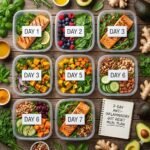
This post is the system. Five anti-inflammatory recipes that work together, prep in under 90 minutes, store well, and give you lunches and dinners sorted for the entire week.
What “anti-inflammatory eating” actually means
Chronic low-grade inflammation — the kind that simmers quietly in response to diet, stress, poor sleep, and environmental factors — is associated with fatigue, hormonal disruption, skin issues, joint pain, and mood instability.
Anti-inflammatory eating is simply the pattern of eating that consistently reduces the triggers of chronic inflammation.
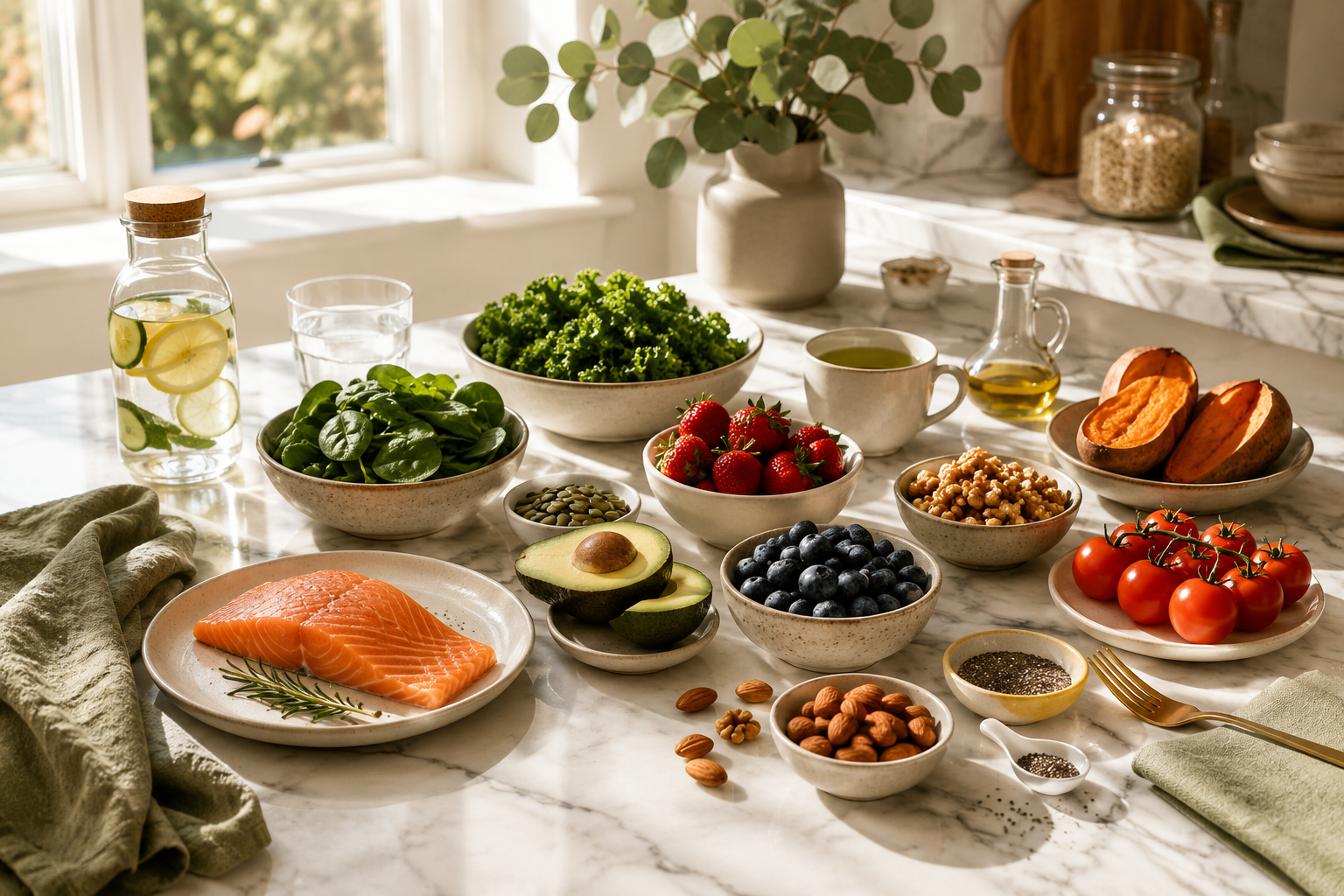
What it includes: colourful vegetables and fruits, healthy fats (olive oil, avocado, fatty fish, nuts), whole grains, legumes, herbs and spices (especially turmeric and ginger), fermented foods.
What it reduces: ultra-processed food, refined sugar, refined seed oils in large quantities, excess alcohol, refined white flour.
You don’t have to be perfect. The goal is pattern, not purity. The five recipes below make that 80% effortless on your busiest days.
The system: how these 5 recipes work together
You cook one big batch of a base grain that becomes the foundation of three different meals. You roast one large sheet pan of vegetables that goes into multiple dishes. You make one protein that works hot or cold. You prep one sauce that ties everything together. You prepare one breakfast component so mornings are handled too.
Time breakdown:
- Grain: 20 minutes, hands-off after the first 5
- Sheet pan vegetables: 25 minutes roasting, mostly hands-off
- Protein: 20 minutes active
- Sauce: 5 minutes
- Breakfast prep: 10 minutes
Total active time: ~40 minutes. Total elapsed time: ~90 minutes because things cook simultaneously.
Equipment you need
An Instant Pot cuts grain cooking time significantly — brown rice goes from 45 minutes to 22 minutes hands-off. The Instant Pot Duo 6-Quart is the standard recommendation.
Glass meal prep containers over plastic: they don’t absorb odours or stain (turmeric will permanently stain plastic), and you can reheat food directly in them. Pyrex Simply Store or OXO Good Grips glass containers are worth buying once and keeping for years.
Recipe 1: Turmeric Quinoa Base
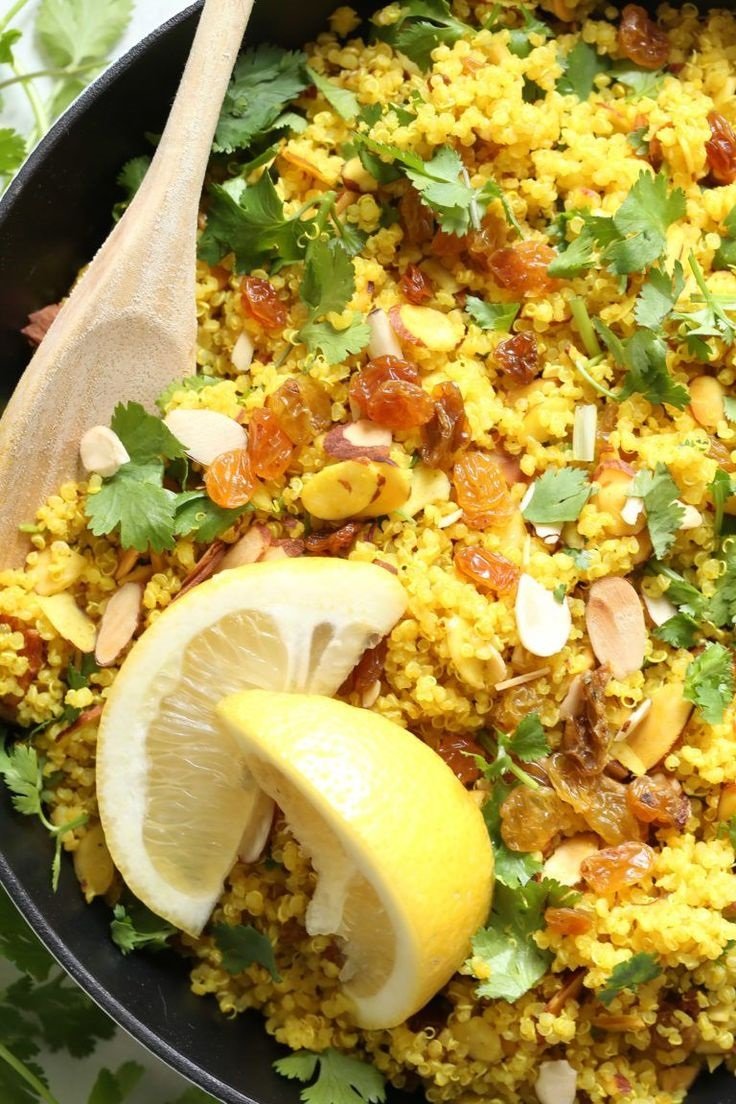
Makes: 4 cups cooked | Time: 20 minutes
Ingredients:
- 1.5 cups dry quinoa (white or tricolour)
- 3 cups water or low-sodium vegetable broth
- 1 teaspoon ground turmeric
- 0.5 teaspoon garlic powder
- 1 teaspoon olive oil
- 0.5 teaspoon salt
- Juice of half a lemon (added after cooking)
- Pinch of black pepper (increases curcumin absorption by up to 2,000%)
Method: Rinse quinoa well under cold water. Add to pot with broth, turmeric, garlic powder, olive oil, and salt. Bring to a boil, reduce to low, cover and cook 15 minutes. Remove from heat, let sit covered 5 minutes. Fluff with a fork. Add lemon juice and black pepper.
Instant Pot: High Pressure 9 minutes, natural release 5 minutes.
Stores: Refrigerator 5 days, freezer 3 months.
Recipe 2: Sheet Pan Roasted Vegetables
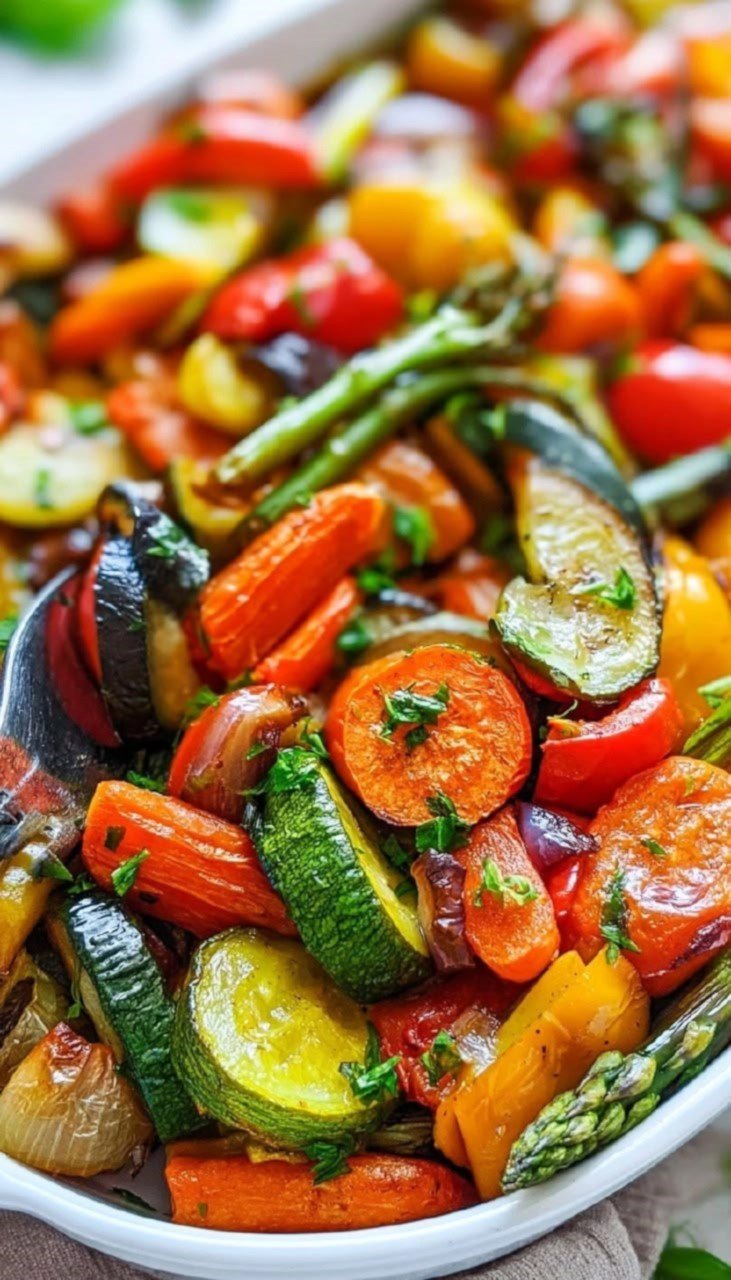
Makes: 4-5 servings | Time: 30 minutes (25 min roasting)
The anti-inflammatory vegetable selection:
- 1 large sweet potato, cubed (beta-carotene, fibre)
- 1 red bell pepper, sliced (vitamin C, antioxidants)
- 1 medium red onion, quartered (quercetin, prebiotic fibre)
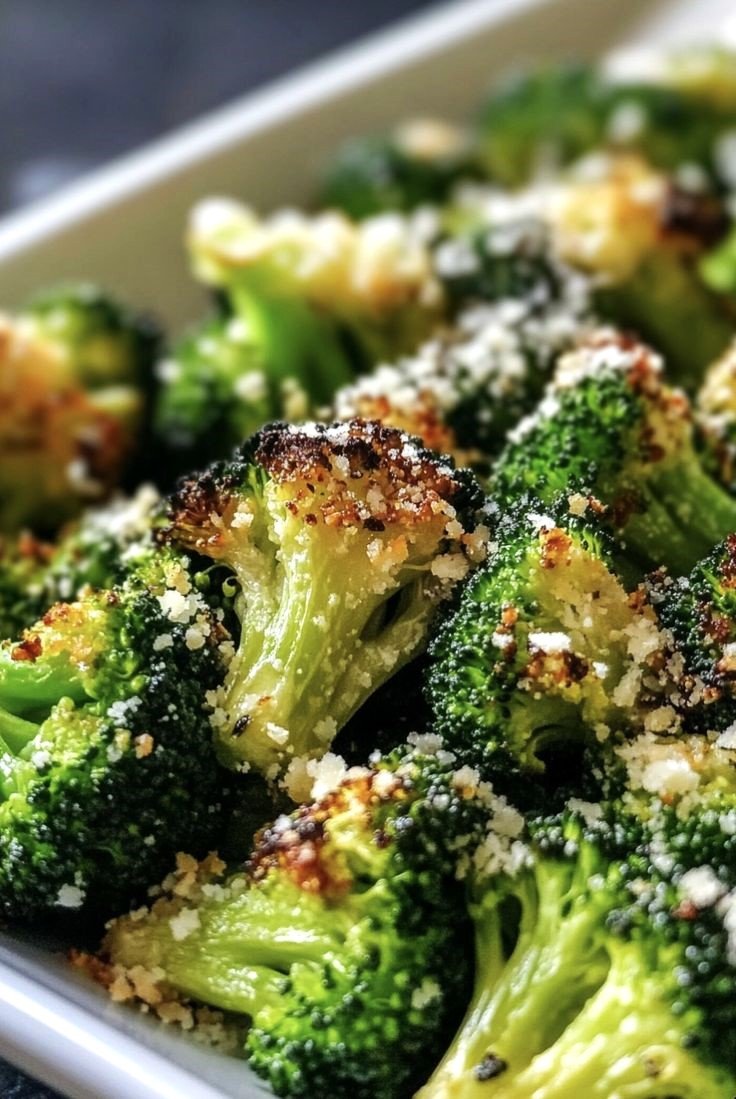
- 200g broccoli florets (sulforaphane — one of the most potent anti-inflammatory compounds in food)
- 200g cherry tomatoes (lycopene, higher bioavailability when cooked)
- 1 zucchini, sliced
Seasoning: 3 tablespoons olive oil, 1 teaspoon smoked paprika, 1 teaspoon cumin, 0.5 teaspoon garlic powder, 0.5 teaspoon turmeric, salt, black pepper.
Method: Preheat oven to 425°F. Toss all vegetables in olive oil and spices. Spread in a single layer across TWO sheet pans — crowding creates steaming, not roasting. Roast 25 minutes, rotating pans halfway. Don’t move the vegetables for the first 15 minutes. Let them sit against the hot pan to develop colour and caramelisation.
Stores: Refrigerator 4-5 days. Reheat in oven to re-crisp.
Recipe 3: Ginger Sesame Salmon (or Crispy Chickpeas for Plant-Based)
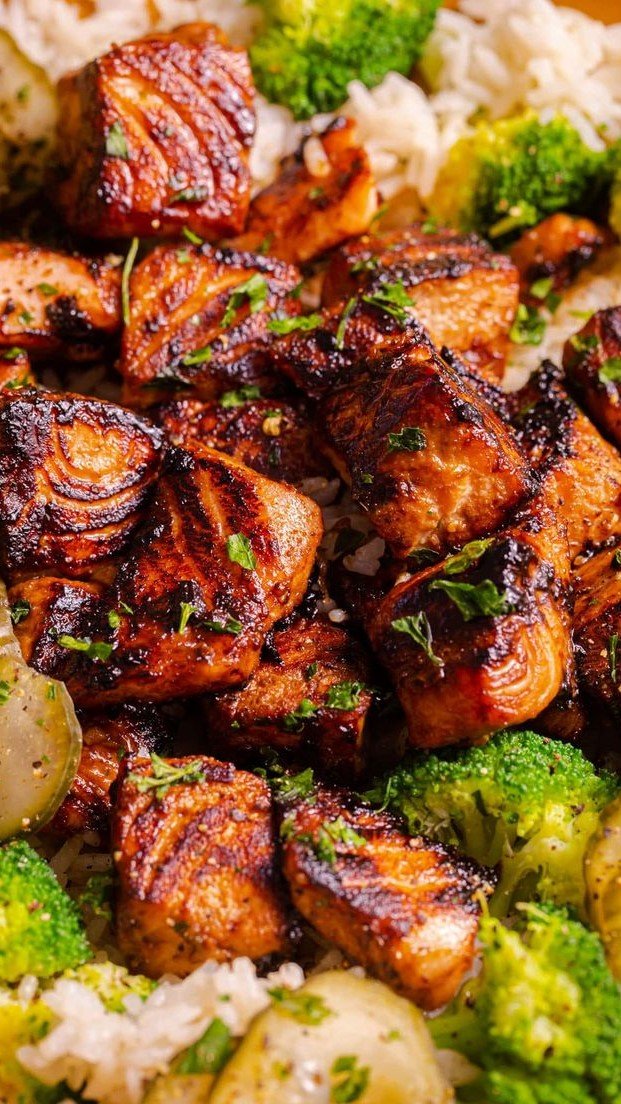
Makes: 4 servings | Time: 20 minutes
Salmon is the anti-inflammatory protein. Omega-3 fatty acids (EPA and DHA) are among the most effective dietary compounds for reducing systemic inflammation.
Marinade:
- 3 tablespoons soy sauce or tamari
- 1 tablespoon honey
- 1 tablespoon sesame oil
- 1 tablespoon fresh grated ginger (or 1 teaspoon ground)
- 2 garlic cloves, minced
- 1 tablespoon rice vinegar
- Pinch of red pepper flakes
Mix marinade. Pour over 4 salmon fillets (6oz each). Marinate 10-15 minutes. Bake at 400°F for 12-14 minutes until salmon flakes easily.
Chickpea version: Toss 2 cans drained chickpeas in the same marinade. Roast at 425°F for 25-30 minutes until crispy and caramelised. Gets better as it sits.
Stores: Salmon — refrigerator 3 days maximum (eat Mon/Tue). Crispy chickpeas — 4-5 days (recrisp in air fryer 5 min before serving).
Recipe 4: Golden Tahini Dressing
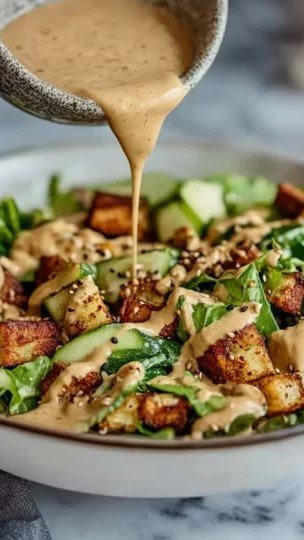
Makes: About 3/4 cup | Time: 5 minutes
This dressing goes on everything. Grain bowls, salads, roasted vegetables, as a sauce for the salmon, as a dip. Make it once, use it all week.
Ingredients:
- 3 tablespoons tahini
- 2 tablespoons fresh lemon juice
- 1 tablespoon olive oil
- 1 garlic clove, grated finely
- 1 teaspoon honey
- 0.5 teaspoon ground turmeric
- 0.25 teaspoon ground ginger
- 3-4 tablespoons warm water (to reach pouring consistency)
- Salt to taste
Method: Whisk everything together. Add warm water one tablespoon at a time until pourable. Tahini seizes up when it first meets liquid — keep whisking, it will come together.
Stores: Airtight jar, refrigerator, 1 week.
Recipe 5: Anti-Inflammatory Overnight Oats (5 Jars)
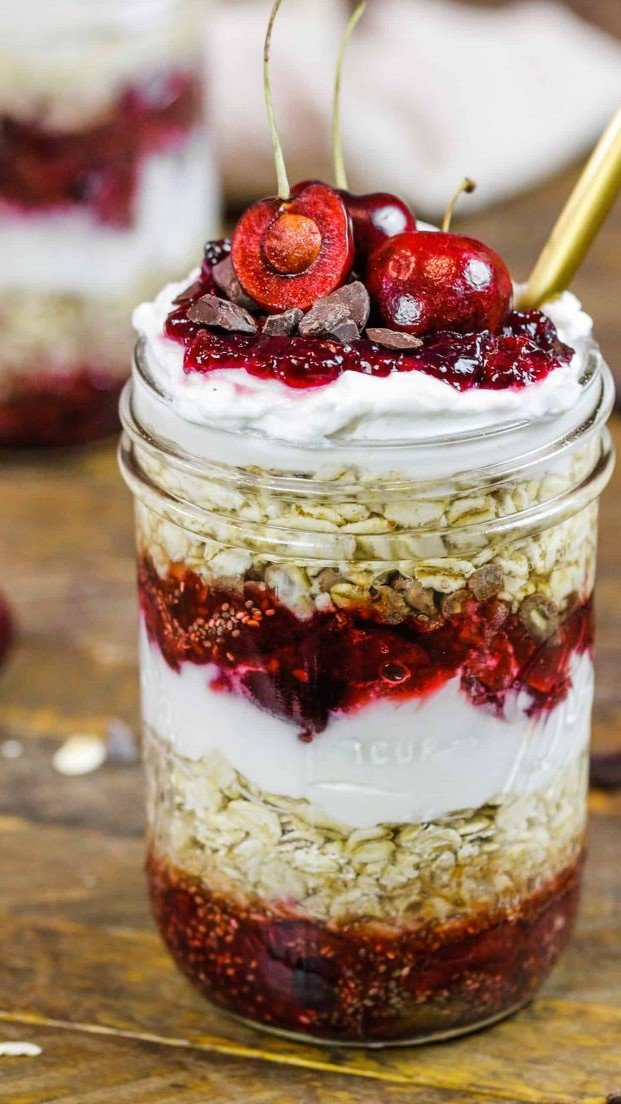
Makes: 5 servings | Time: 10 minutes
Make these while the salmon marinates and the vegetables roast. By the time main prep is done, breakfast is sorted for the week.
Per jar (multiply by 5):
- 0.5 cup rolled oats
- 0.75 cup unsweetened almond milk or regular milk
- 0.25 cup plain Greek yogurt
- 1 tablespoon chia seeds (omega-3s, fibre)
- 1 teaspoon ground turmeric
- 0.25 teaspoon ground ginger
- 0.25 teaspoon cinnamon
- 1 teaspoon honey
- Pinch of black pepper (activates turmeric)
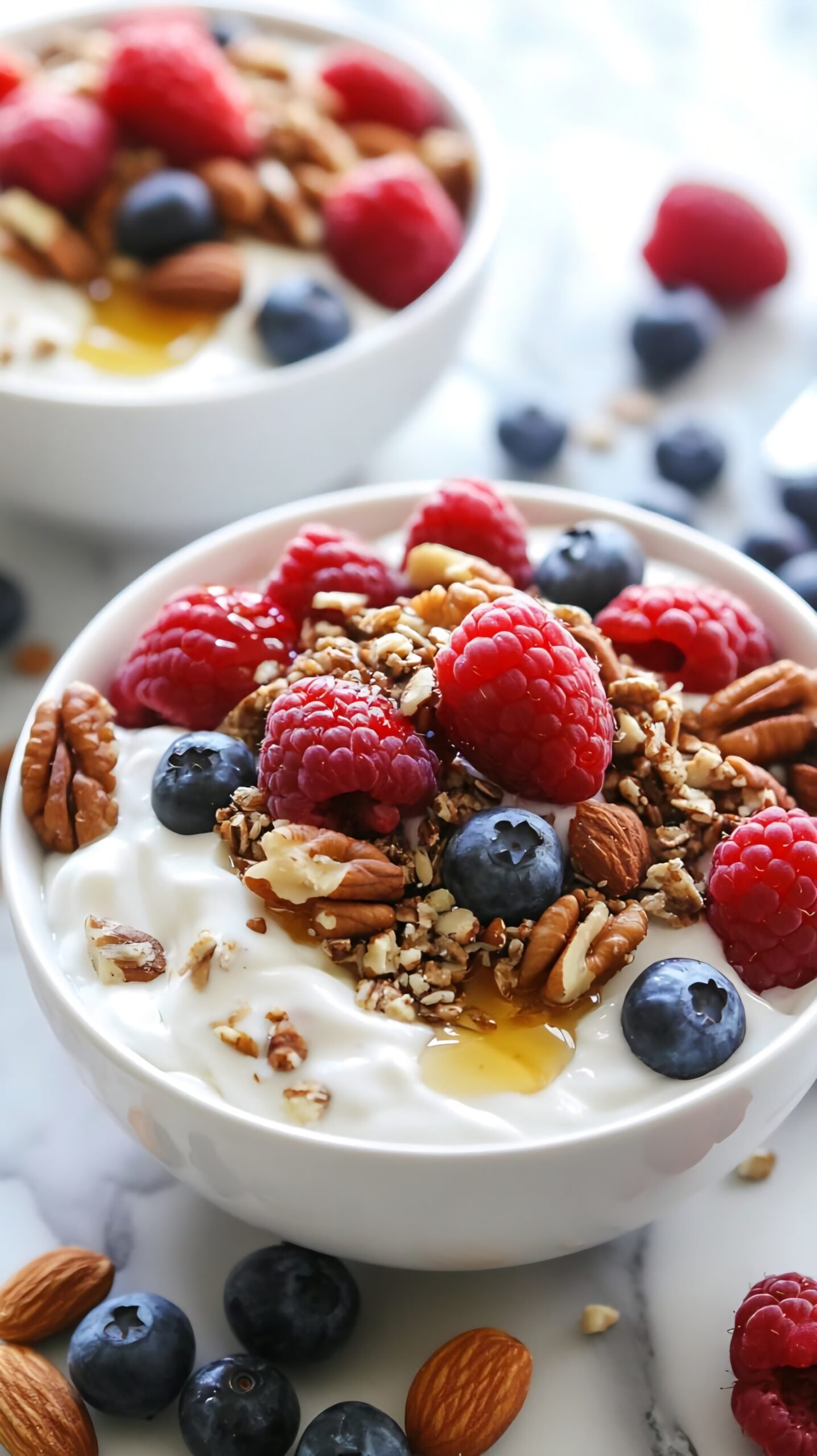
Morning toppings: fresh or frozen berries, walnuts or almonds, drizzle of honey.
Method: Add all base ingredients to each jar, stir well, seal, refrigerate overnight. Add toppings in the morning.
Why these spices: Turmeric, ginger, and cinnamon have the strongest and most consistent research on anti-inflammatory effects. Adding all three to a daily breakfast is a genuinely evidence-based approach.
Stores: Refrigerator 5 days.
How to build your meals from these 5 components
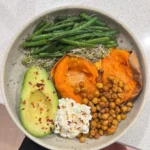
Monday lunch: Turmeric quinoa bowl — quinoa + roasted vegetables + chickpeas or salmon + golden tahini dressing + fresh greens + avocado
Monday dinner: Remaining salmon over extra quinoa with cucumber and sesame seeds
Tuesday lunch: Grain bowl variation — quinoa + roasted sweet potato + crispy chickpeas + tahini + whatever greens are in the fridge
Tuesday dinner: Salmon tacos — leftover salmon flaked into corn tortillas with roasted peppers, avocado, tahini drizzle, fresh cilantro
Wednesday lunch: Power salad — massaged kale or spinach + all roasted vegetables + quinoa + tahini as the only dressing you need
Wednesday dinner: Chickpea and quinoa bowls with fresh cucumber, pickled onion, sesame seeds
Thursday lunch: Chickpea wrap — crispy chickpeas + remaining roasted vegetables + tahini + spinach in a whole grain wrap
Thursday dinner: Wildcard night — use the chicken dinners post or order out guilt-free because you’ve been fuelling well all week
Every morning: Golden anti-inflammatory overnight oats from the fridge, topped fresh each day
The shopping list
Protein: 4 salmon fillets (6oz each), 2-3 cans chickpeas, plain Greek yogurt
Produce: 1 large sweet potato, 1 red bell pepper, 1 red onion, 1 head broccoli, 200g cherry tomatoes, 1 zucchini, 1 lemon, fresh ginger root, 4-5 garlic cloves, 2 avocados, bag of mixed greens or kale, fresh or frozen berries, bananas
Pantry: 1.5 cups dry quinoa, rolled oats (2.5 cups), chia seeds, tahini, olive oil, sesame oil, soy sauce or tamari, honey, rice vinegar, turmeric, ginger, cumin, smoked paprika, garlic powder, cinnamon, red pepper flakes, vegetable broth
Dairy: Almond milk or regular milk, Greek yogurt
Estimated total: $65-80 for a full week of breakfasts, lunches, and dinners. Approximately $4-5 per meal.
The 90-minute prep timeline
0:00 — Rinse quinoa, start cooking 0:05 — Preheat oven to 425°F. Chop all vegetables. Season and spread on two sheet pans. 0:15 — Slide vegetables into oven. Make ginger sesame marinade. Pour over salmon or chickpeas. 0:20 — Make golden tahini dressing (5 minutes). Store in a jar. 0:25 — Prep 5 overnight oat jars. Seal and refrigerate. 0:35 — Quinoa done. Fluff and portion into containers. 0:40 — Put salmon or chickpeas in oven (vegetables need ~10 more minutes). 0:55 — Everything out of the oven. Cool 10-15 minutes. 1:10 — Pack everything into labelled glass containers. Refrigerate. 1:20 — Clean up. You are done.
Storage guide
Turmeric quinoa: Refrigerator 5 days, freezer 3 months Roasted vegetables: Refrigerator 4-5 days, freezer 2 months Salmon (baked): Refrigerator 3 days maximum — eat early in the week Crispy chickpeas: Refrigerator 4-5 days — recrisp before serving Tahini dressing: Refrigerator 7 days Overnight oats: Refrigerator 5 days
FAQs: Anti-Inflammatory Meal Prep
Do I have to eat the same thing every day? No. The components are intentionally versatile. The same quinoa becomes a bowl on Monday, a salad base on Wednesday, a side dish on Thursday. You’re assembling different combinations, not eating the same meal.
What if I hate quinoa? Swap for brown rice, farro, or cauliflower rice. Same system, same storage.
Can I do this with an Instant Pot if I don’t have one? Everything works on a stovetop. The Instant Pot makes the grain portion hands-off so you can do other prep simultaneously.
Is this suitable for the whole family? Yes — flavours are warm and accessible. For kids, roast sweet potato separately with just olive oil and salt, and reduce the turmeric in the overnight oats.
One last thing
One Sunday session doesn’t fix everything. But it makes everything easier. And easier, done repeatedly, is what actually changes things.
The first week you do this, it’s effort. By the fourth week, it’s just Sunday. By the eighth week, you’re noticing the difference in your energy, your skin, your mood, and your hunger patterns — and the hour on Sunday feels like the most efficient investment you make all week.
Start this Sunday. An hour and a half. Five things. See how Tuesday feels.
For the breakfasts to match this week of eating — here are 8 high-protein breakfasts with no eggs that work beautifully with this prep system.
For quick dinners on nights you need something different — here are 17 chicken dinners ready in 30 minutes that pair perfectly with the quinoa and vegetables you’ve already prepped.
For the full picture on how what you eat connects to your hormones and stress response — the cortisol diet guide explains everything.
© Polia.blog — Written with love and honesty, always.