
By Polia · Relationships & Dating
Thank you for reading this post, don’t forget to subscribe!Here’s something that keeps coming up in conversations about modern relationships:
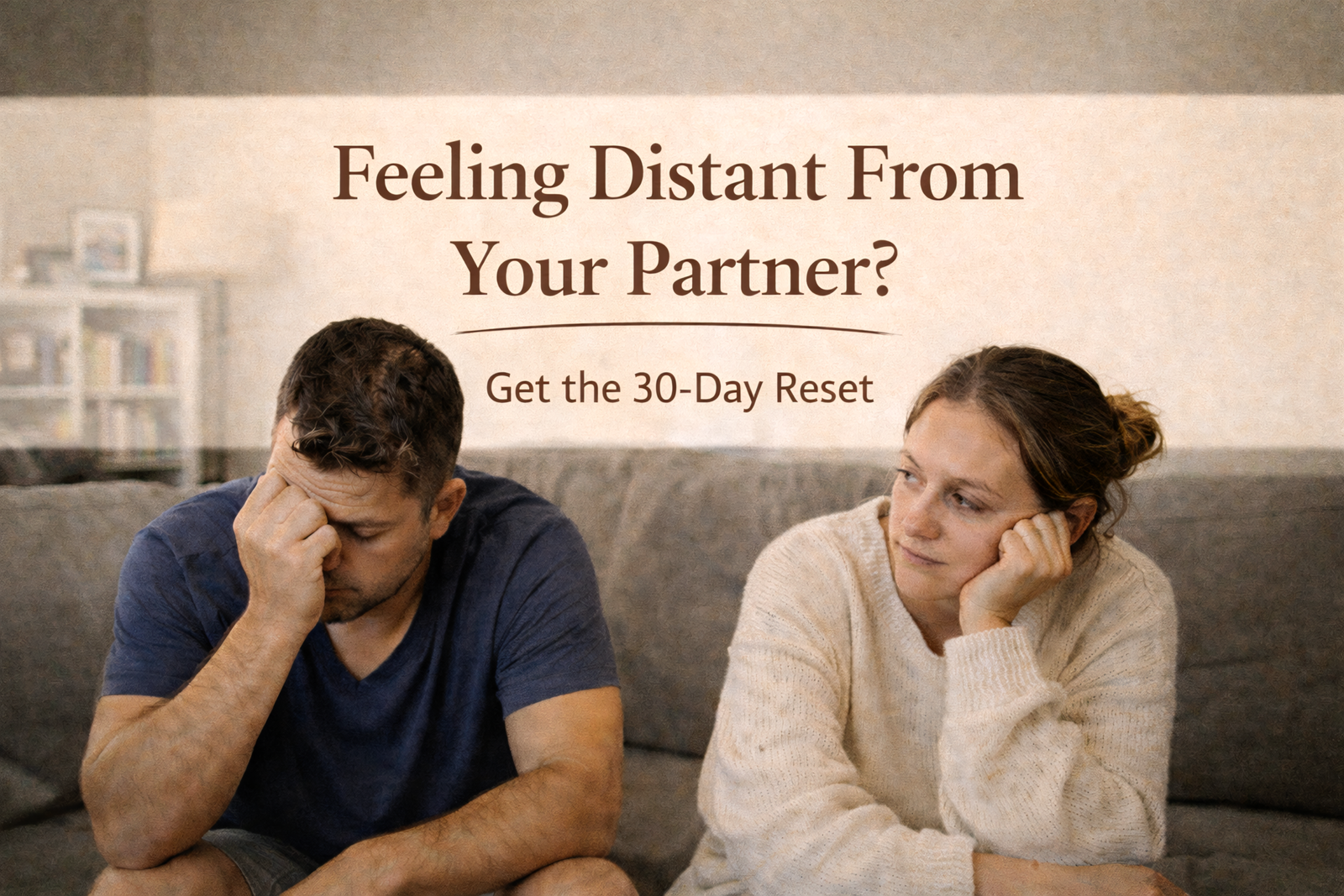
Everyone is connected. Nobody feels close.
You can be sitting across from someone at dinner, both of you technically present, and still feel like you’re alone. The phone buzzes. Someone checks it. Not because anything important happened — just because the habit is stronger than the moment.
And the moment, quietly, loses.
I’m not here to lecture anyone about screen time or write a think piece about technology and connection. You already know the phones are too present. What I want to give you is something actually useful: 21 date ideas that make it genuinely easy — and genuinely worth it — to put them down.
Not because you forced yourself to. Because you were so absorbed in what you were doing together that you forgot to check.
That’s the real goal. Not willpower. Replacement.
Why phone-free dates hit differently

There’s a concept in psychology called “full presence” — the experience of being completely absorbed in what’s happening in front of you, without part of your attention monitoring somewhere else.
It’s the thing that makes certain evenings feel memorable in a way you can’t quite explain. The conversation that went for three hours without either of you noticing. The night where you laughed until something hurt and couldn’t tell you what the joke was but you remember exactly how it felt.
Full presence is what creates those moments. And full presence is almost impossible when a screen is within reach, because the brain is genuinely incapable of fully committing to one thing while keeping the other option available.
Phone-free dates aren’t about deprivation. They’re about giving your full attention — and receiving his — for a few hours. That experience is rarer than it used to be, which means it’s also more meaningful than it used to be.
Here are 21 ways to have it.
At home — simple, intimate, genuinely good

1. Cook a new recipe together from scratch
Not a kit, not something familiar. Find a recipe that neither of you has made before — ideally something with multiple components, a bit of technique, something that requires actual teamwork.
The kitchen is one of the best places for natural, unforced closeness. You’re doing something together with a shared goal. There’s mild chaos. Someone inevitably makes a mess. There’s a moment where something goes slightly wrong and you either laugh about it or problem-solve together — both of which tell you something real about a person.
And at the end, you eat something you made together, which is its own kind of intimacy.
Pick something ambitious enough to be interesting: homemade pasta, a Moroccan tagine, proper sushi rolls, a soufflé that might fail. The risk is the point.
2. Board games or card games — actually competitive ones
Not Candy Land. Settlers of Catan, Ticket to Ride, Codenames, Rummikub, backgammon, poker, Rummy. Something with enough strategy that you have to think, enough competition that someone gets slightly intense about it, and enough back-and-forth that you’re constantly reacting to each other.
Games reveal personality. How someone handles losing. Whether they get competitive in a fun way or a slightly alarming way. Whether they’re strategic or impulsive. Whether they celebrate winning gracefully or insufferably. All of this is useful information, delivered through a genuinely fun evening.
3. Vinyl night with a rule
If you have a record player — or can borrow one, or pick up an inexpensive one — here’s a specific format that works beautifully: take turns. One record each, alternating. The rule is that the person whose turn it is gets to explain why they chose that record while it plays. No interrupting. Then conversation.
Music is one of the fastest ways into someone’s emotional interior. The albums people love most tell you something about who they were when they first heard it, what they were going through, what they carry. A vinyl night structured this way becomes an intimate conversation with a soundtrack.
No vinyl? A curated playlist with the same rule works fine — one song each, you have to explain why.
4. Write letters to each other — and read them out loud
This sounds uncomfortable and slightly Victorian. It is also, consistently, one of the most connecting things couples report doing.
Sit in the same room. Each of you writes a letter to the other — could be what you love about them, could be something you’ve been wanting to say, could be your honest answer to a question you pull from a list. You don’t show each other while you’re writing. Then you swap, or you read them out loud.
The written format does something the spoken format doesn’t: it bypasses the real-time editing that happens in conversation. People write things they wouldn’t say. The letter is braver than the voice. Reading it out loud together closes the loop.
(For prompts that work well for this, the deep questions list I wrote — [150 questions to ask your boyfriend tonight] — translates beautifully into letter format.)
5. Recreate your first date (or a meaningful early one)
Same food, or as close as you can get it. Same music if you remember it. Try to reconstruct the evening as accurately as possible — including, if you can bear it, what you were wearing.
This works for two reasons. First, nostalgia is genuinely bonding — you’re revisiting a shared history and finding the threads that led to where you are now. Second, comparing the memory to the present moment shows you how far you’ve come. What you were nervous about then. What’s easy now. What’s deepened.
Out in the world — active, exploratory, memorable

6. Go somewhere neither of you has been in your own city
Pick a neighborhood, a street, a park, a market you’ve driven past a hundred times and never actually entered. The rule: no Googling what to do when you get there. You show up and figure it out together.
Exploration creates natural conversation. There’s always something to react to, something to notice, something to disagree about. You’re both slightly outside your comfort zone in the gentlest possible way — which tends to make people more open, more curious, more present.
The novelty factor matters here: new environments genuinely increase alertness and emotional engagement. You’re more likely to feel something on a walk through an unfamiliar neighborhood than on your fifteenth dinner at the same restaurant.
7. Take a class together — something neither of you is good at
Pottery. Salsa dancing. Sushi rolling. Life drawing. Improv comedy. Axe throwing. Bread baking. Candle making. Cocktail mixing.
The specific activity matters less than the principle: you’re both beginners, which immediately levels the dynamic. Nobody has the advantage. You both look slightly ridiculous at some point. You help each other. You laugh at the same things.
There’s also something attractive about watching someone try something new with good humor — it strips away the curated, composed version of a person and shows you who they are when they’re just figuring it out.
8. Sunrise or sunset — deliberately
Pick the earlier or later of the two depending on your personalities. Drive somewhere with a good view. Bring coffee and something to eat. Just watch it.
This sounds passive. It isn’t. Shared awe — looking at something genuinely beautiful together — is one of the fastest routes to felt closeness. It’s the same reason people feel connected at concerts, at ceremonies, in nature. You’re experiencing something that transcends the ordinary, side by side.
The conversation that follows a shared sunrise or sunset tends to be different from the conversation you’d have at dinner. Bigger. More honest. More like the conversations you actually want to be having.
9. Farmer’s market followed by cooking what you buy
Go to a farmer’s market with no plan. Buy whatever looks interesting, beautiful, or unfamiliar. Then go home and figure out together what to make with it.
The constraint is part of the creativity. You didn’t decide what to cook — the market decided, and now you’re improvising. This kind of low-stakes problem-solving together is genuinely fun and genuinely revealing about how you function as a team.
10. Go for a long walk with a specific question
Before you leave the house, each of you writes down one question you actually want to ask the other. It can be lighthearted or it can be real. You ask it somewhere in the middle of the walk.
Walking is one of the best conversation formats because you’re moving forward together, you’re not looking directly at each other all the time, and the motion creates a rhythm that makes talking feel easier. Therapists and coaches know this. Hard conversations often go better on a walk than across a table.
The prepared question removes the “but what do we talk about” anxiety and replaces it with genuine anticipation.
11. Go to a bookstore — with a budget and a rule
Each of you has a budget (even $10 works). You spend 20 minutes separately choosing a book for the other person — something you think they’d love, or something you want them to read. You don’t tell each other what you chose until you’re back at the front door.
Then you explain your choice. Why you picked it. What you wanted them to get from it. What it says about how you see them.
The book itself matters less than the thought behind the choice. This is a version of the gift-giving love language made into a date.
12. Picnic somewhere genuinely beautiful
Not a lawn outside a restaurant. Somewhere real — a hilltop, a riverbank, a quiet garden, a beach at off-season. Pack real food, not supermarket sandwiches. Bring a blanket. Stay longer than feels strictly necessary.
Outdoor meals in beautiful places have a specific unhurrying effect on conversation. There’s nowhere to be. The setting does the emotional work. You just have to show up and be present in it.
More adventurous — for when you want a real story to tell

13. Take a train or bus somewhere random
Pick a train line you’ve never taken. Get on and ride it to the end, or get off at a stop that looks interesting. Explore wherever you land. Find somewhere local for lunch. Come back.
The point is structured spontaneity — you’ve committed to going somewhere without knowing exactly where. That small amount of uncertainty creates the feeling of an adventure without requiring any actual planning. The stories that come from low-stakes random days are often the ones you tell for years.
14. Try a sport or activity that scares you a little
Paddleboarding. Rock climbing at an indoor gym. Horseback riding. A beginner surf lesson. Kayaking somewhere you haven’t been.
Physical challenge creates a specific kind of closeness — you’re supporting each other through discomfort, you’re slightly vulnerable, you’re relying on each other’s encouragement. The neurochemistry of mild stress followed by shared success is almost identical to the neurochemistry of early attraction. This is not an accident.
15. Volunteer together for a day
A local food bank, an animal shelter, a community garden, a beach clean-up, a soup kitchen.
Doing something that matters — together, outside your own lives — creates a specific kind of connection that ordinary dates don’t. You see each other interacting with strangers. You see each other being useful in the world. You leave with a shared experience that’s larger than your relationship, which, paradoxically, makes the relationship feel larger.
16. Drive with no destination for one hour — then find dinner wherever you end up
Set a one-hour timer. Drive in whatever direction feels right. When the timer goes off, stop and find somewhere local to eat — not a chain, not somewhere you know, just whatever is there.
This one requires surrendering control, which some people find very uncomfortable and others find genuinely freeing. Either reaction is interesting. The constraint forces presence — you can’t plan the evening, so you have to just be in it.
17. Go stargazing properly — not just a glance upward
Find a dark sky location. Bring a blanket, warm layers, something warm to drink. Download a star chart app before you go and then leave your phone in your pocket once you’re there.
Lying on your back looking at stars does something specific to human beings. The scale of it reorients your sense of what matters. Conversations that happen under genuine dark sky tend toward honesty, toward the things people have been meaning to say, toward the kind of intimacy that’s hard to access in ordinary settings.
Creative & thoughtful — for curious people

18. Go to a museum and play the two-minute game
Pick a museum — art, natural history, science, anything. The rule: at each exhibit or piece, you have to stand in front of it in silence for at least two minutes before you say anything.
Most people spend thirty seconds in front of a piece of art before moving on. Forcing two minutes creates the conditions for actual looking — and actual looking generates actual thoughts, which generates actual conversation rather than polite narration.
By the end, you’ll have talked about things you’d never have said over dinner.
19. Attend something you’d never normally go to
A classical concert. A slam poetry night. A local comedy open mic. A community theatre production. A jazz set in a small bar. A gallery opening in a neighborhood you don’t frequent.
Novel experiences create novel conversation. You’re reacting in real time, forming opinions you didn’t have before, talking about things that have nothing to do with work or logistics or the shared administration of your life. That’s rarer than it should be and more valuable than it sounds.
20. Cook a dinner party — just for two — with full ceremony
Set the table properly. Use the good dishes. Light candles. Make a playlist. Make courses — actually make the effort of a starter, a main, a dessert. Dress for it slightly.
The ceremony matters. When you create the conditions of something special, you tend to inhabit those conditions — the conversation becomes more elevated, more present, more like the conversations you have at the beginning of something when everything still feels deliberate.
This also requires enough coordination and time together that it becomes the date, not just a precursor to it.
21. Make a list of 12 things you want to do together this year — one per month
Sit down with a notebook and two pens. Make the list together — twelve experiences, one for each month of the year. They don’t all have to be big. One can be “try that restaurant we keep driving past.” One can be “take a long weekend somewhere.” One can be something from this list.
The list itself is the date. You’re building a shared future in miniature. You’re finding out what you both want, where your interests overlap, what you’d each prioritize if you could choose. You’re making a commitment — small, gentle, not legally binding — to keep showing up for each other in the months ahead.
Put the list somewhere you’ll both see it. Check things off when you do them. Add to it when you think of something new.
The one thing that makes all of these work

I’ve been on dates that ticked every box — beautiful restaurant, good food, interesting activity — and still felt like nothing happened between us. And I’ve been on dates that were simple almost to the point of boring that I still think about.
The difference was never the activity. It was the quality of attention.
Phone-free dates work because they remove the easiest escape from full attention. When there’s no screen to retreat into, you have to be there — actually there, with this actual person, in this actual moment. That can feel slightly vulnerable, especially if you’re used to the buffer.
But that vulnerability is also where closeness lives. Not in the perfectly curated evening. In the moment where you’re both just there, paying attention to each other, with nowhere else to be.
That’s the date worth planning for.
FAQs: Phone-free dates
How do we actually stick to no phones for the whole date?
Make it physical rather than willpower-based. Leave your phones in the car, or put them in a bag in a different room, or use a phone lockbox if you’re serious about it. “I’ll just leave it in my pocket” almost never works — the habit of checking is too strong. Remove the option, not just the intention.
What if one of us is genuinely anxious about being unreachable?
That’s valid — especially if you have children, or elderly parents, or are on-call for work. The solution isn’t all-or-nothing. Agree upfront: one person holds a phone on silent, face-down, only for genuine emergencies. Texts, social media, and casual scrolling are still off the table. The key is agreeing before the date, not negotiating mid-evening.
What if we run out of things to talk about?
This rarely happens on the activities that have a built-in shared focus (cooking, classes, exploration). For the quieter ones (walks, picnics, stargazing), bring a question — either from this post or from the deep questions list. The question isn’t a crutch; it’s a door. You only need to open it once.
Which of these is best for a first or early date?
For early dating, go for the ones with built-in activity and natural conversation: a cooking class (#7), the bookstore pick (#11), going somewhere neither of you has been (#6), or the farmer’s market + cooking (#9). These give you something to do together and react to, which removes the pressure of pure face-to-face conversation while you’re still getting to know each other.
Do these work if we’ve been together for years and things feel a bit routine?
Especially then. Long-term couples often stop doing new things together — which is one of the main reasons things start to feel flat. Novelty in shared experience genuinely reactivates the neurochemistry of early attraction. Try #13 (the random train), #14 (something mildly scary), or #20 (dinner with full ceremony). The more different from your normal, the more effective.
One last thing

You don’t need elaborate plans or a lot of money. You just need a few hours, an agreement to put the phones away, and the willingness to actually be there.
The best evenings of your life probably don’t happen on the ones with the most Instagram potential. They happen on the ones where something real passed between you — a laugh that surprised you, a conversation that went somewhere you didn’t expect, a moment of quiet so comfortable it felt like home.
Those moments are waiting. You just have to give them the conditions to happen.
Put the phone down. Be there. See what shows up.
Want to go deeper on what actually builds intimacy between two people? [Here are 150 questions to ask your boyfriend that change everything about how well you know each other.]
And if your relationship has felt a little distant lately, [here’s what’s actually happening when men pull away after closeness — and what it means for you.]
Want to understand the connection between stress, hormones, and how present you can actually be with someone you love? [Here’s what high cortisol does to your intimacy — and how to fix it.]
Category: Relationships & Dating
© Polia.blog — Written with love and honesty, always.
Related posts:
 150 Deep Questions to Ask Your Boyfriend Tonight (That Actually Bring You Closer)
 How Billionaires Live: Inside the Most Expensive Homes in the World 🏰💎
 🏰 Inside Music’s Biggest Icons’ Homes: Where Celebrities Live in Ultimate Luxury 💎
 How High Cortisol Causes Low Libido in Women (+ How to Lower Cortisol Naturally)