By Polia · Skincare & Beauty · Healthy Recipes
Thank you for reading this post, don’t forget to subscribe!There is a conversation happening between your plate and your face that your skincare routine cannot have on its own.
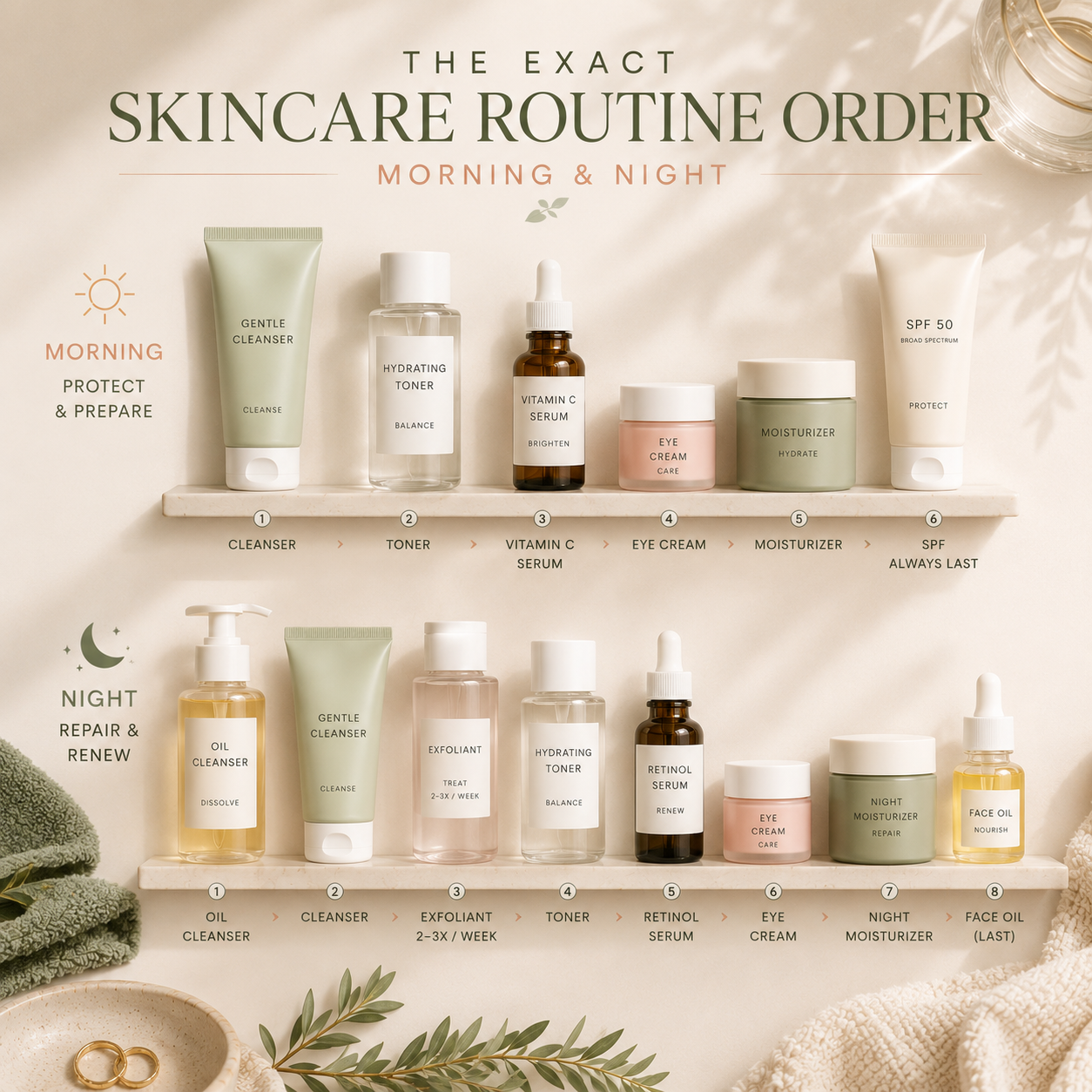
You can layer the right serum in the right order — and if you have not read the guide on that yet, here is the exact skincare routine order for AM and PM — but if you are chronically dehydrated, eating foods that spike inflammation every day, and missing the nutrients your skin cells actually need to function, the serum is working against a tide it cannot turn.
Glass skin is not a topical achievement. It is a systemic one.
The luminous, clear, even-toned skin that seems impossible to replicate is what happens when the cells producing your skin are healthy, well-nourished, and not constantly fighting inflammation. That is an inside job. This post covers the specific foods, the specific nutrients they contain, and the specific way those nutrients translate into visible skin changes.
How food actually affects your skin
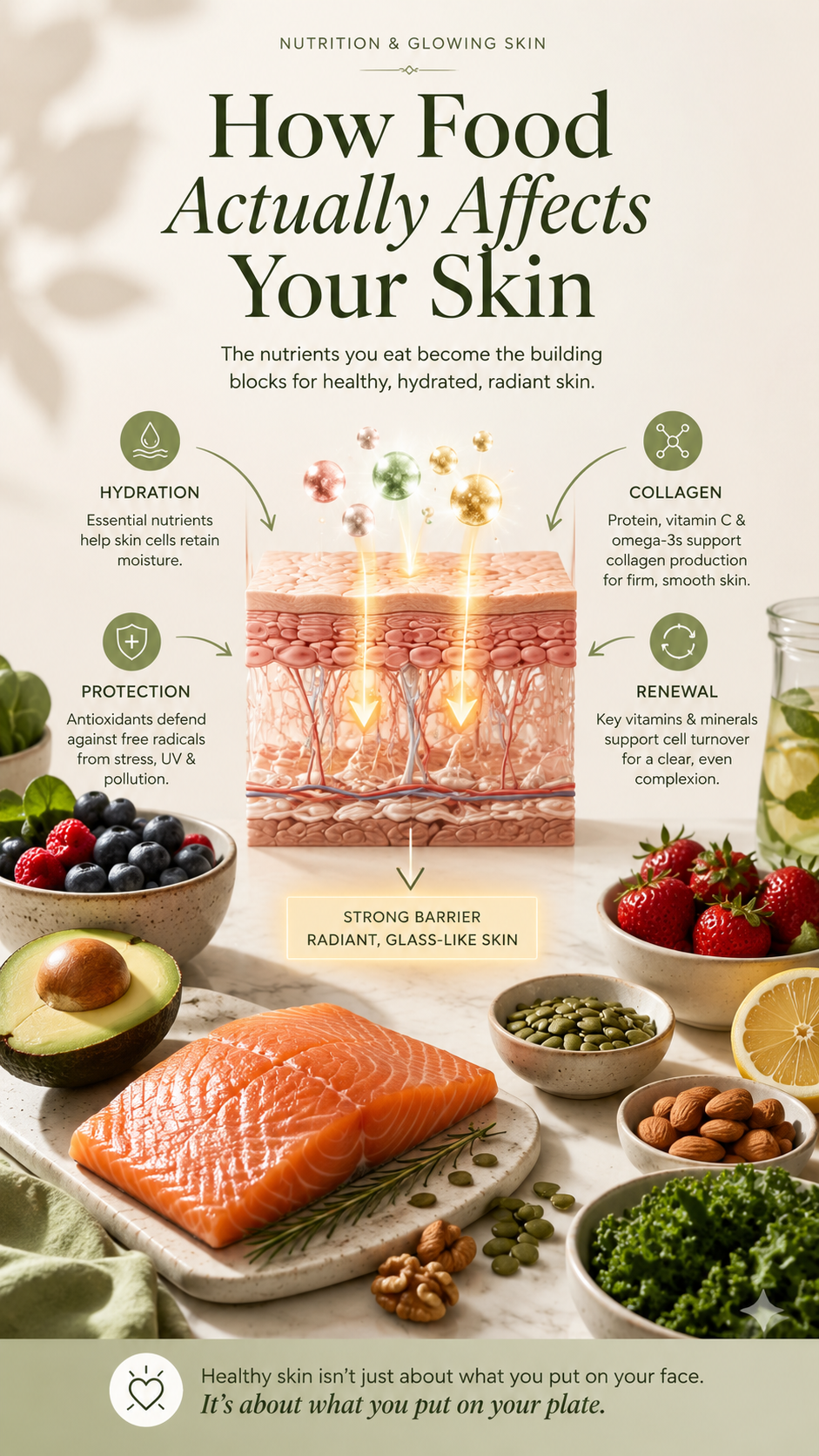
Your skin is made of cells. Those cells need specific raw materials: proteins to build structure, fatty acids to maintain the cell membrane (which determines whether your skin is plump and dewy or flat and dry), antioxidants to defend against oxidative damage, and hydration to literally fill the cells to their full volume.
When the raw materials are in short supply, skin cells cannot do their job. The barrier gets compromised. Moisture escapes. Inflammation goes unchecked. Cell turnover slows. The result shows on your face: dullness, uneven texture, dark spots that take forever to fade, and fine lines that deepen faster than they should.
Feed the cells what they need and the opposite happens. Not overnight — skin cell turnover takes approximately 28 days — but reliably and visibly. Here are the foods that do it.
1. Fatty fish — the omega-3 foundation
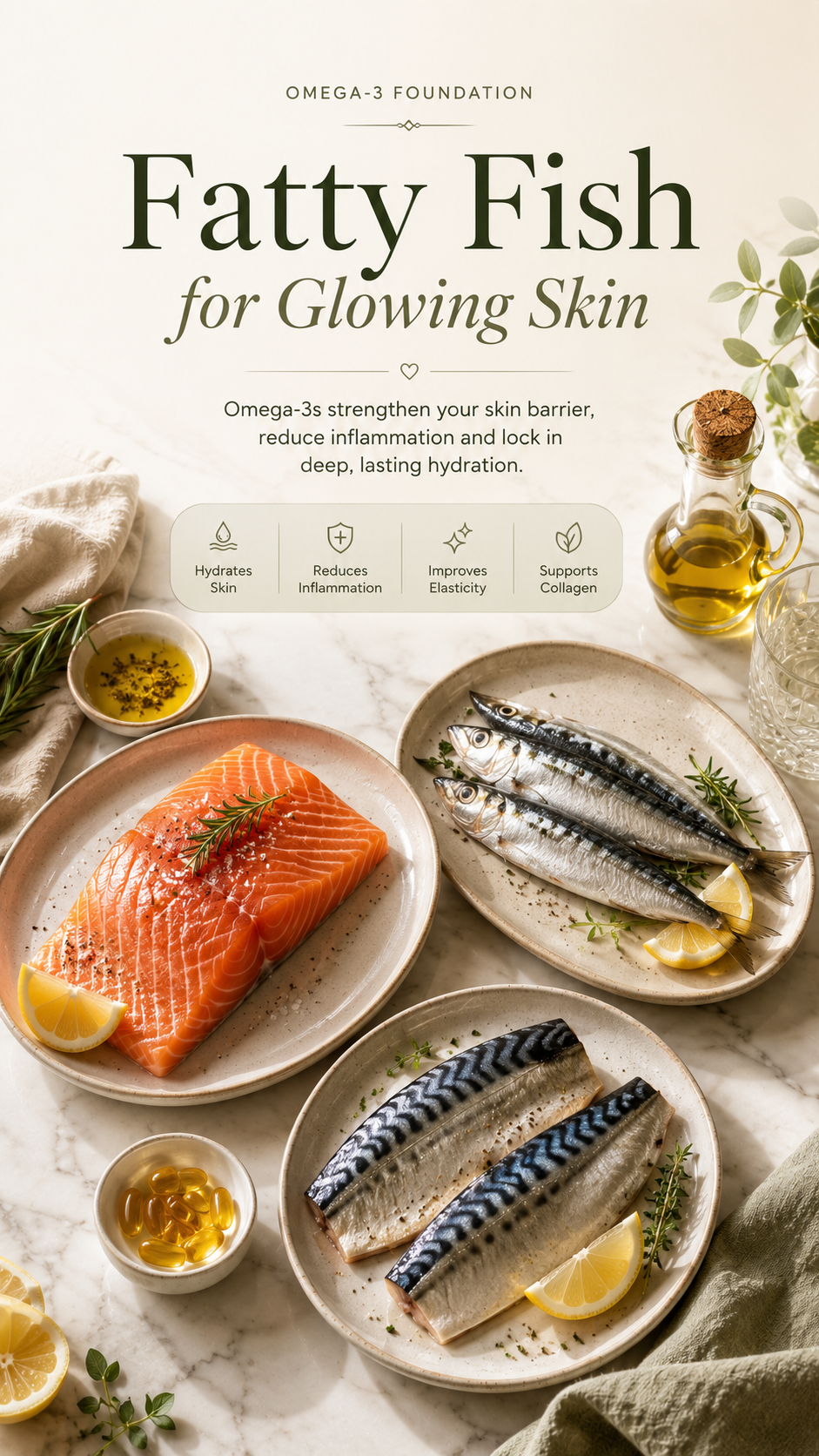
Key nutrients: EPA, DHA, vitamin D, selenium, astaxanthin (in salmon)
If one dietary change would have the most visible effect on skin, it is eating fatty fish three times a week. The research on omega-3 fatty acids and skin health is among the most consistent in nutritional science.
Omega-3s form part of the phospholipid bilayer — the membrane of every skin cell. When that membrane is rich in omega-3s, it holds moisture effectively. When depleted, the membrane becomes rigid and loses moisture. This is the cellular version of dry, dull skin.
EPA specifically inhibits the production of inflammatory compounds that cause redness, breakouts, and the chronic low-grade inflammation that accelerates ageing. Salmon also contains astaxanthin — a carotenoid that has shown in clinical studies to improve skin elasticity and reduce fine lines.
Eat: Salmon, sardines, mackerel, herring, anchovies. Aim for 3 portions per week. Wild-caught where possible — higher omega-3 content than farmed.
Supplement bridge: If you do not eat fish regularly, a quality fish oil or algae-based omega-3 covers the gap. Algae-based omega-3s are appropriate for plant-based diets.
2. Avocado — the skin fat
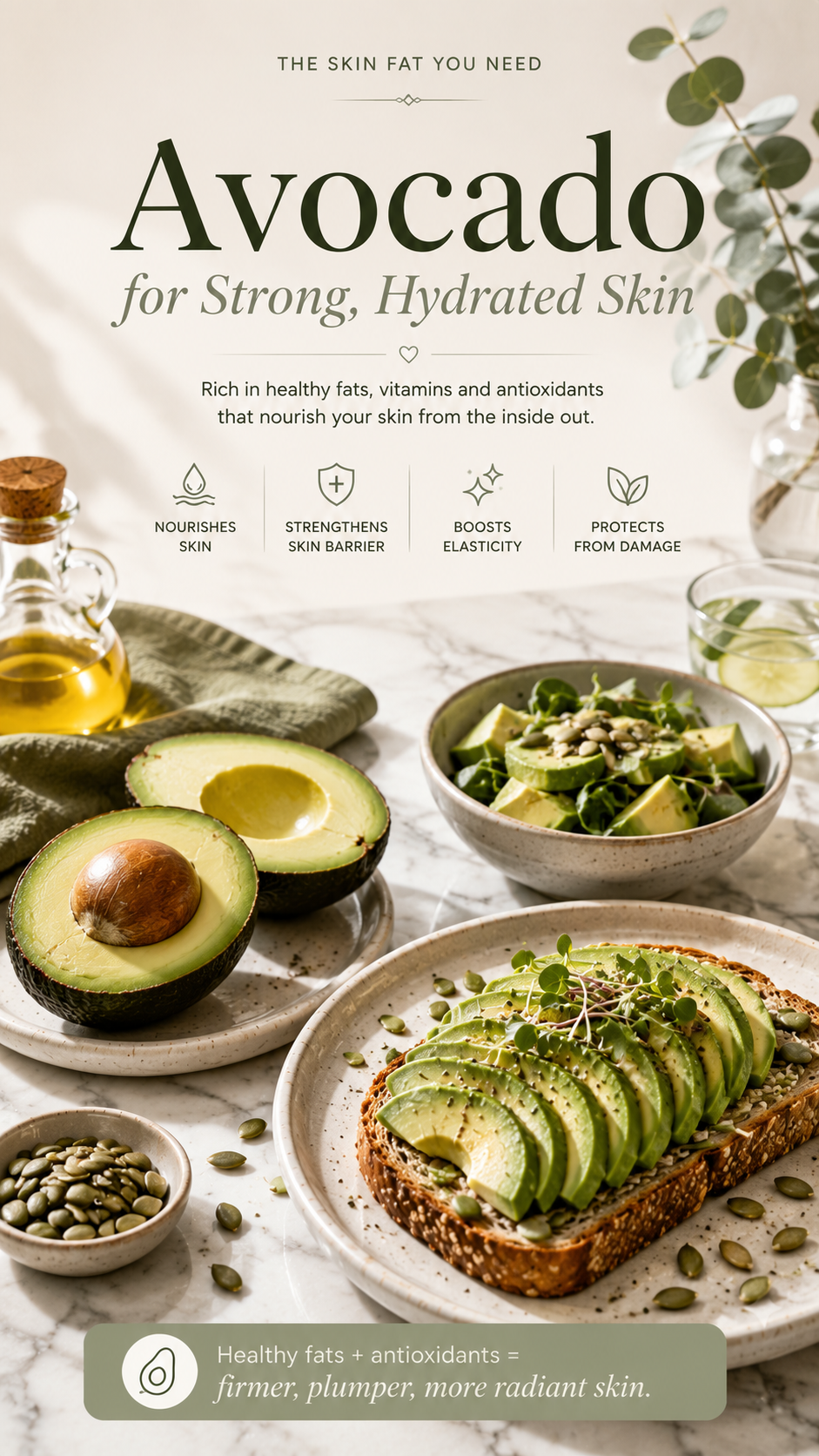
Key nutrients: Oleic acid, vitamin E, vitamin C, lutein, glutathione
Avocado’s primary fat — oleic acid — is the same monounsaturated fat that makes up a significant proportion of healthy skin’s sebum. When you eat it, it incorporates into your skin’s lipid structure and supports barrier function from the inside.
A 2022 clinical trial in the Journal of Cosmetic Dermatology found that women who ate one avocado daily for eight weeks showed measurably increased skin firmness and elasticity compared to a control group.
Vitamin E in avocado is a fat-soluble antioxidant that protects cell membranes from oxidative damage. It works synergistically with vitamin C — each extending the antioxidant effect of the other.
Eat: Half an avocado with breakfast, sliced onto toast, into a smoothie. Every day if possible.
3. Berries — the antioxidant arsenal
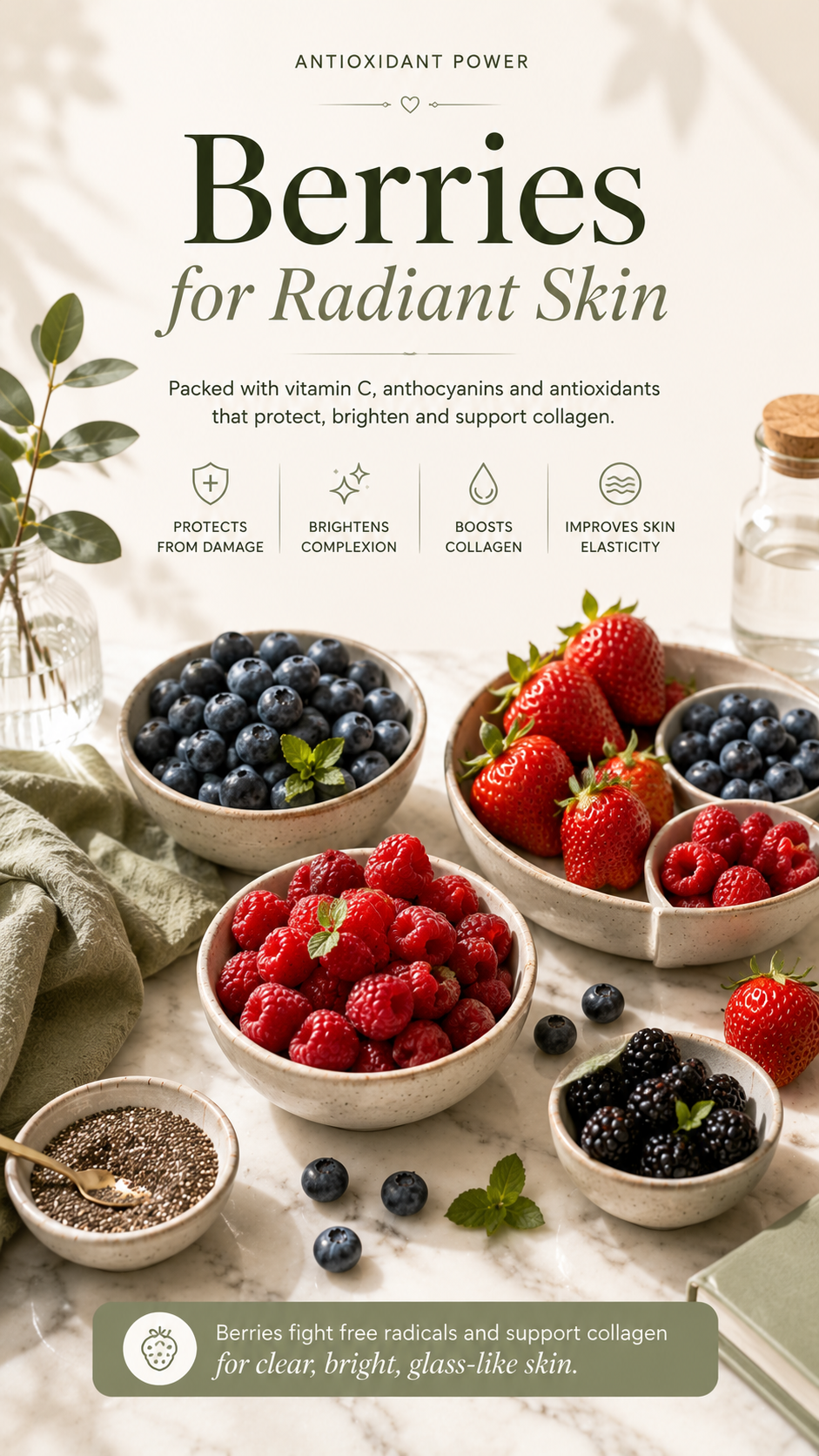
Key nutrients: Anthocyanins, vitamin C, quercetin, resveratrol, ellagic acid
The colour of a berry is essentially a map of its antioxidant content. The deeper the colour, the higher the concentration of anthocyanins — among the most potent free-radical-scavenging compounds in food.
Free radicals from UV exposure, pollution, and stress damage skin cells and break down collagen. Anthocyanins neutralise them before they cause damage.
Vitamin C in berries is the precursor for collagen synthesis — your body cannot produce collagen without it. It also inhibits tyrosinase, the enzyme that creates melanin, which is why consistent dietary vitamin C has a brightening effect over time.
Anthocyanins specifically improve microcirculation — the blood flow to your skin’s surface — which contributes directly to the glass skin glow.
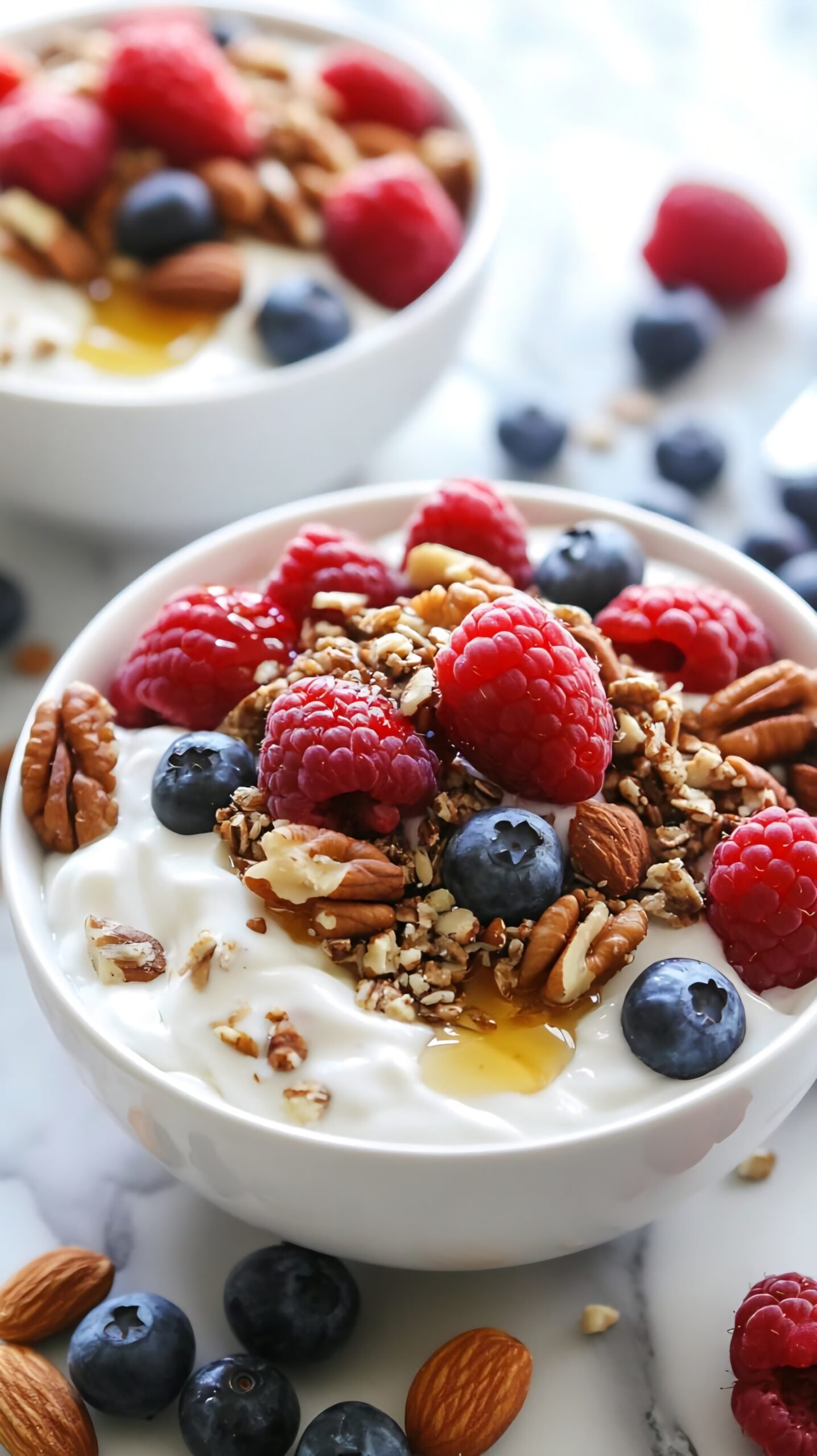
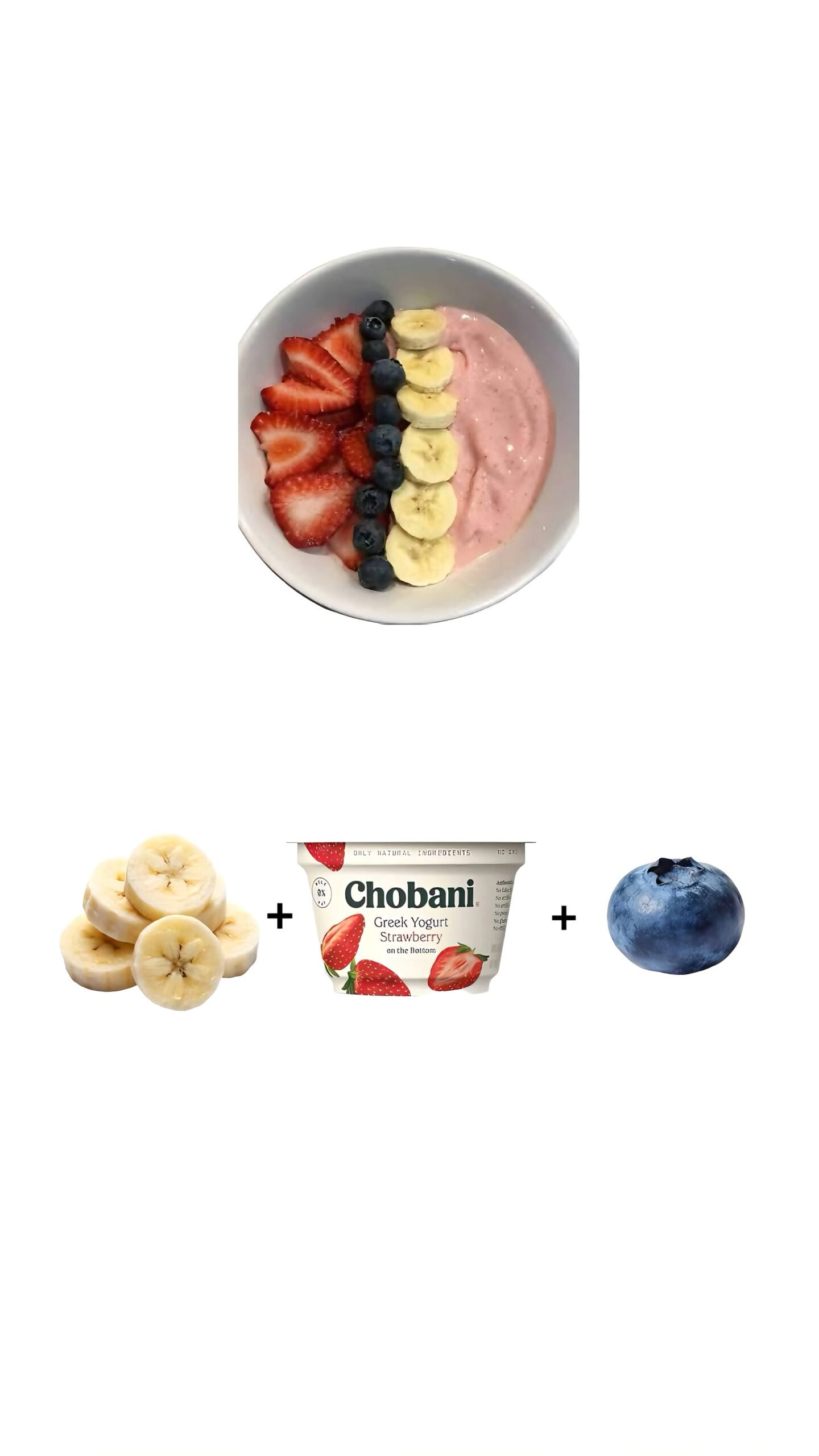
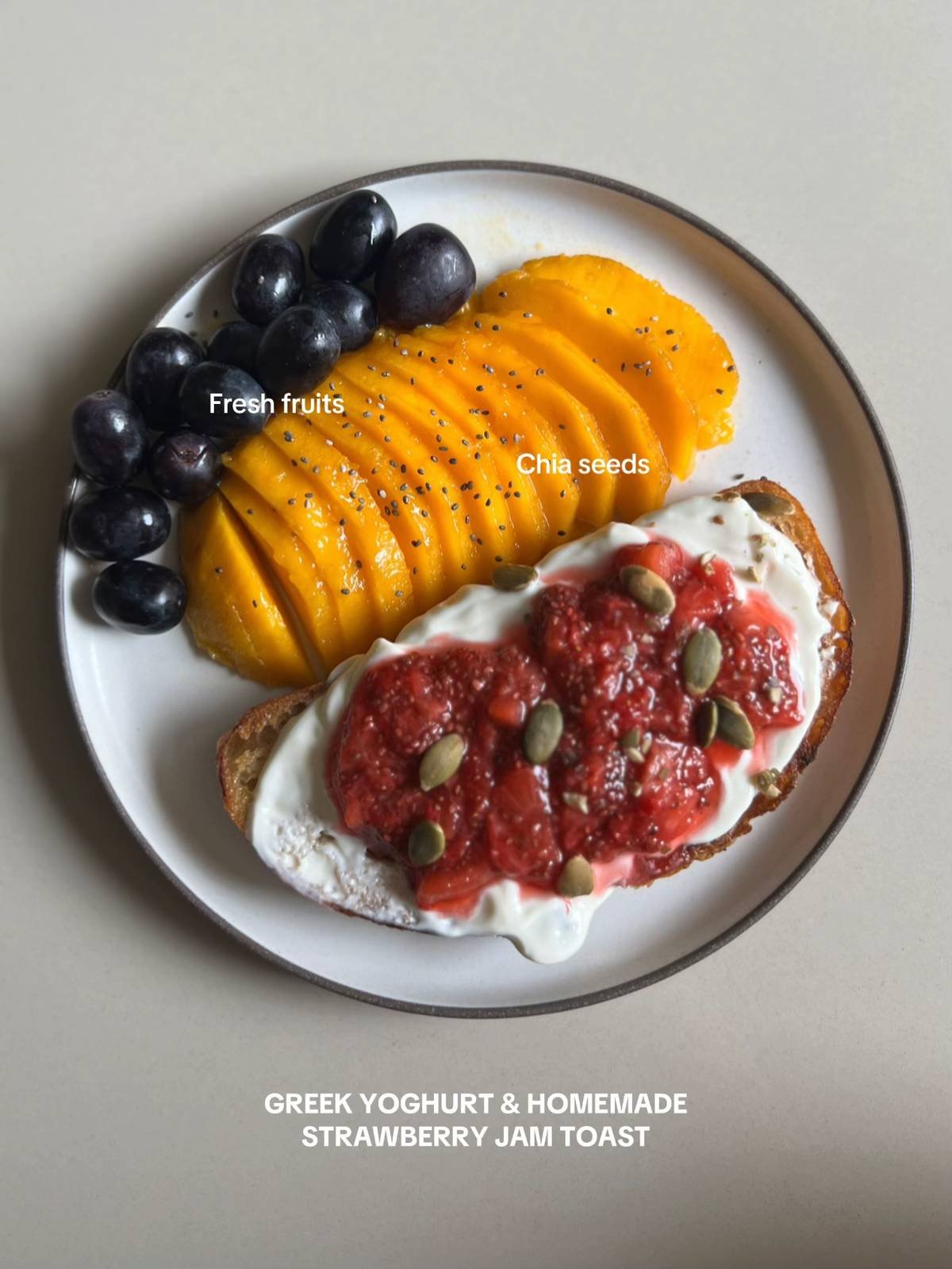
Eat: Blueberries, strawberries, raspberries, blackberries, acai. Fresh or frozen — frozen berries retain their full nutritional content. A handful daily makes a measurable difference over 8–12 weeks.
4. Leafy greens — the collagen builders
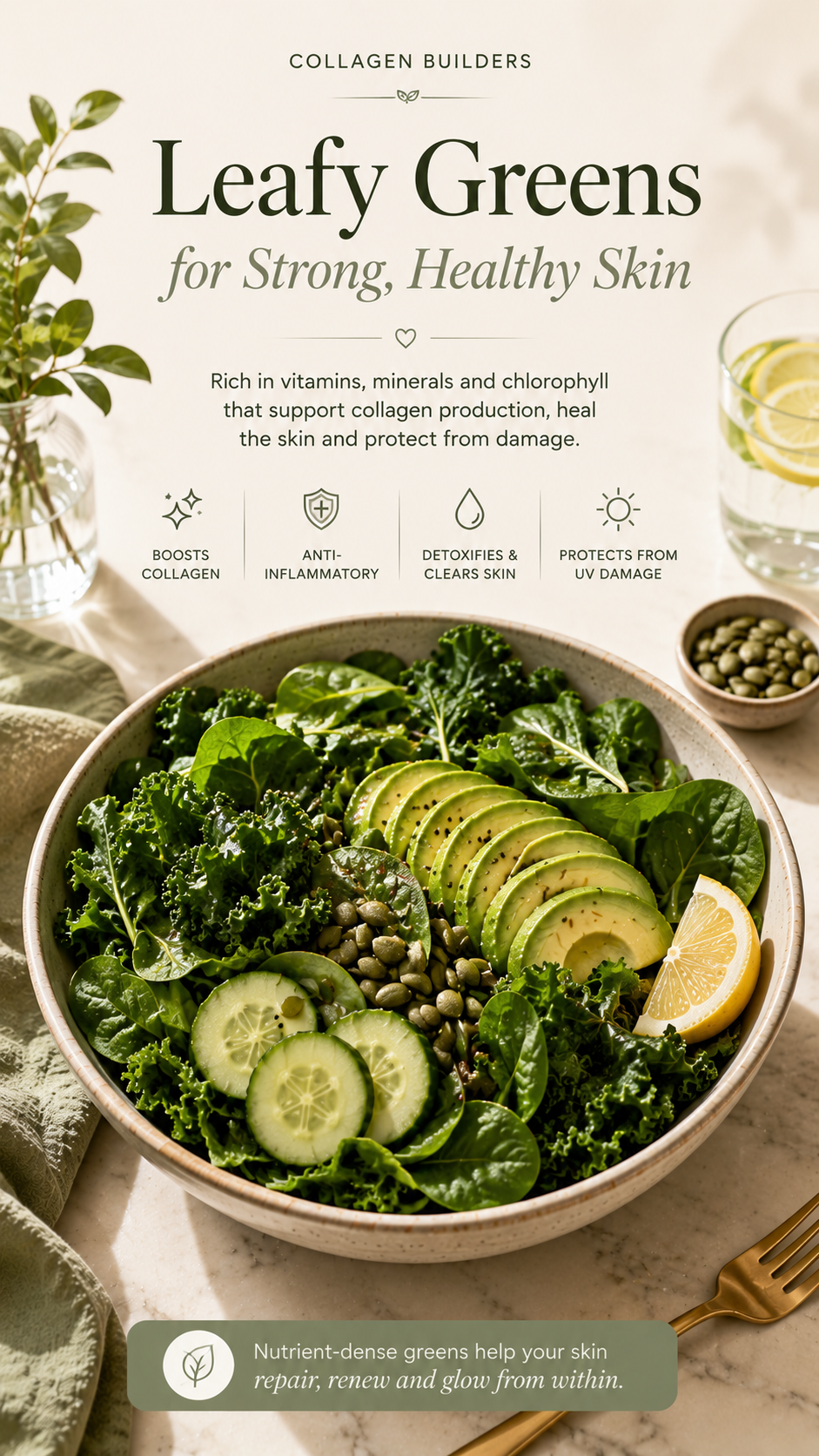
Key nutrients: Vitamin C, folate, beta-carotene, lutein, zeaxanthin, chlorophyll, vitamin K
Beta-carotene converts to vitamin A (retinol) in the body — the same compound you apply topically in your retinol serum, now available from the inside. Dietary vitamin A regulates skin cell turnover, keeps the skin surface smooth, and reduces sebum overproduction.
Lutein and zeaxanthin accumulate in skin tissue and protect against UV-induced oxidative damage — an internal photoprotection system that complements SPF.
Vitamin K plays a specific role in reducing dark circles — it supports vessel integrity, reducing the blood pooling that creates under-eye darkness.
Eat: A large handful of spinach, kale, or mixed greens daily. Add to smoothies where it becomes tasteless, cook into grains, use as a base for bowls. The anti-inflammatory meal prep guide has multiple easy ways to make greens daily.
5. Sweet potato — the beta-carotene skin food
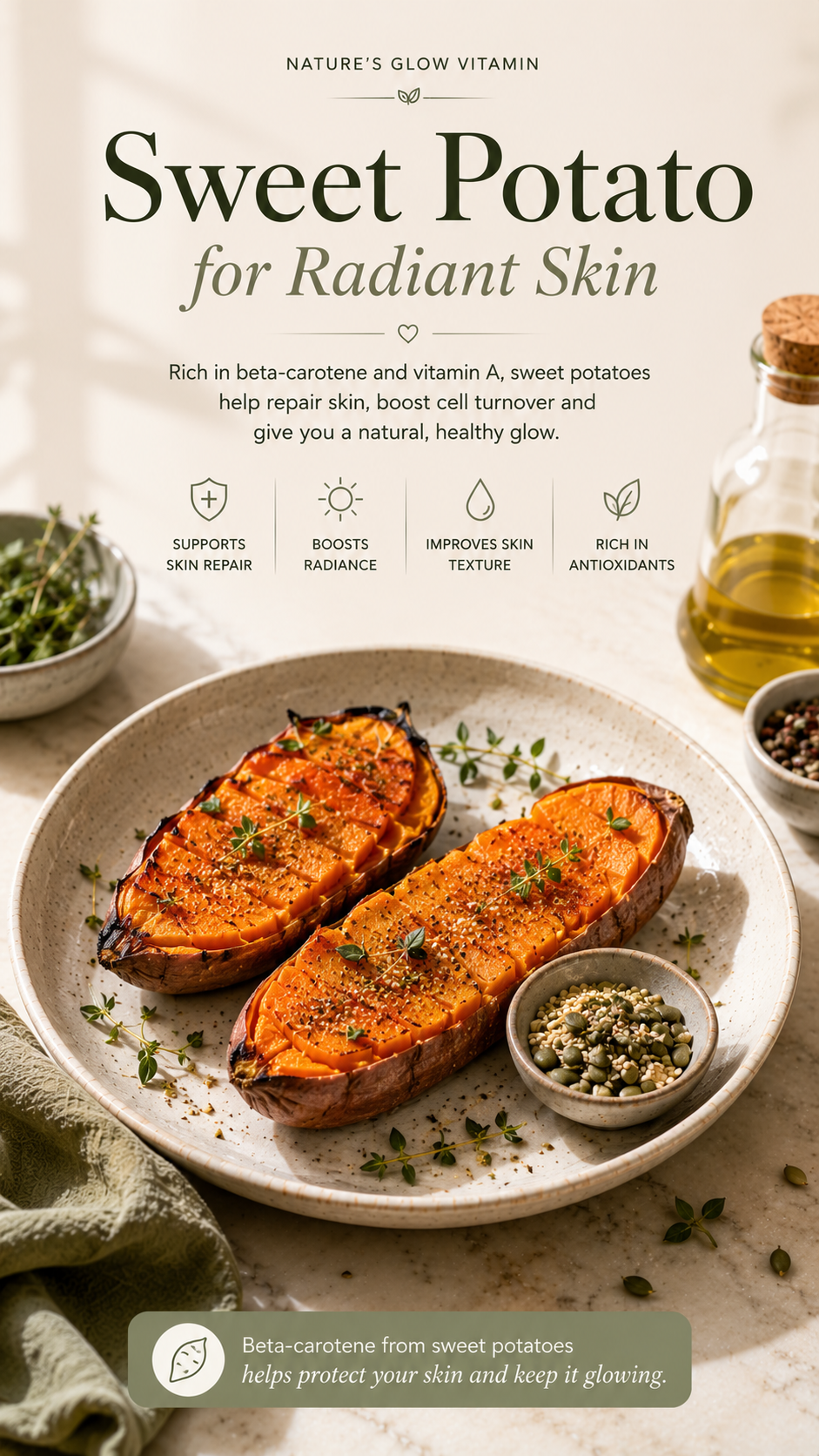
Key nutrients: Beta-carotene, vitamin C, potassium, B6
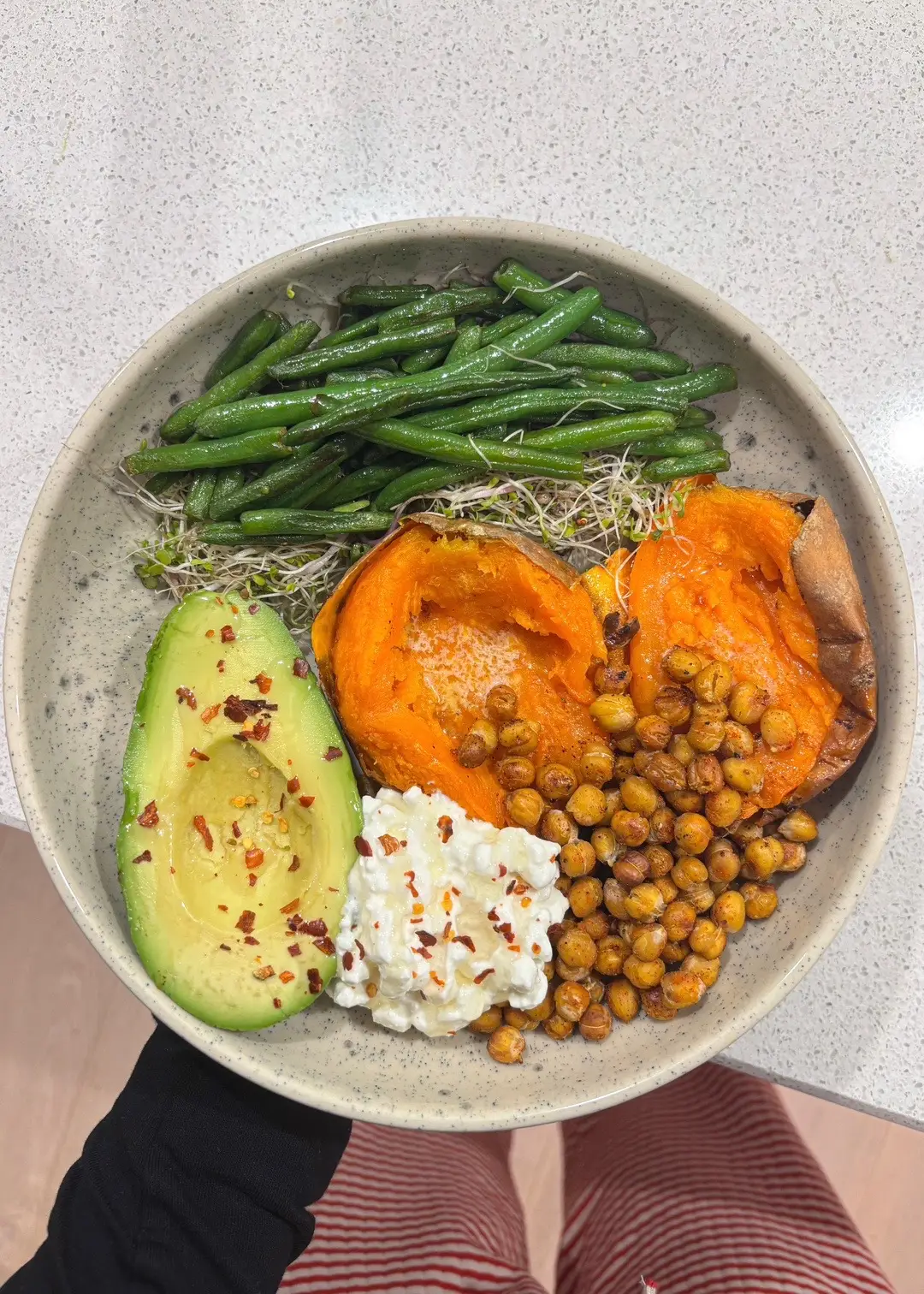
A single medium sweet potato contains more beta-carotene than almost any other food. But there is a specific additional effect worth knowing: beta-carotene accumulates in the skin and creates what researchers call a “carotenoid glow” — a subtle warmth and luminosity to the skin tone that is measurably more attractive to others than a conventional tan, and not UV-induced.
Studies have shown that people with higher dietary carotenoid intake are rated as having more attractive, healthy-looking skin than those with lower intake, independent of other factors. This is glass skin from the inside — a warmth and luminosity that no highlighter fully replicates.
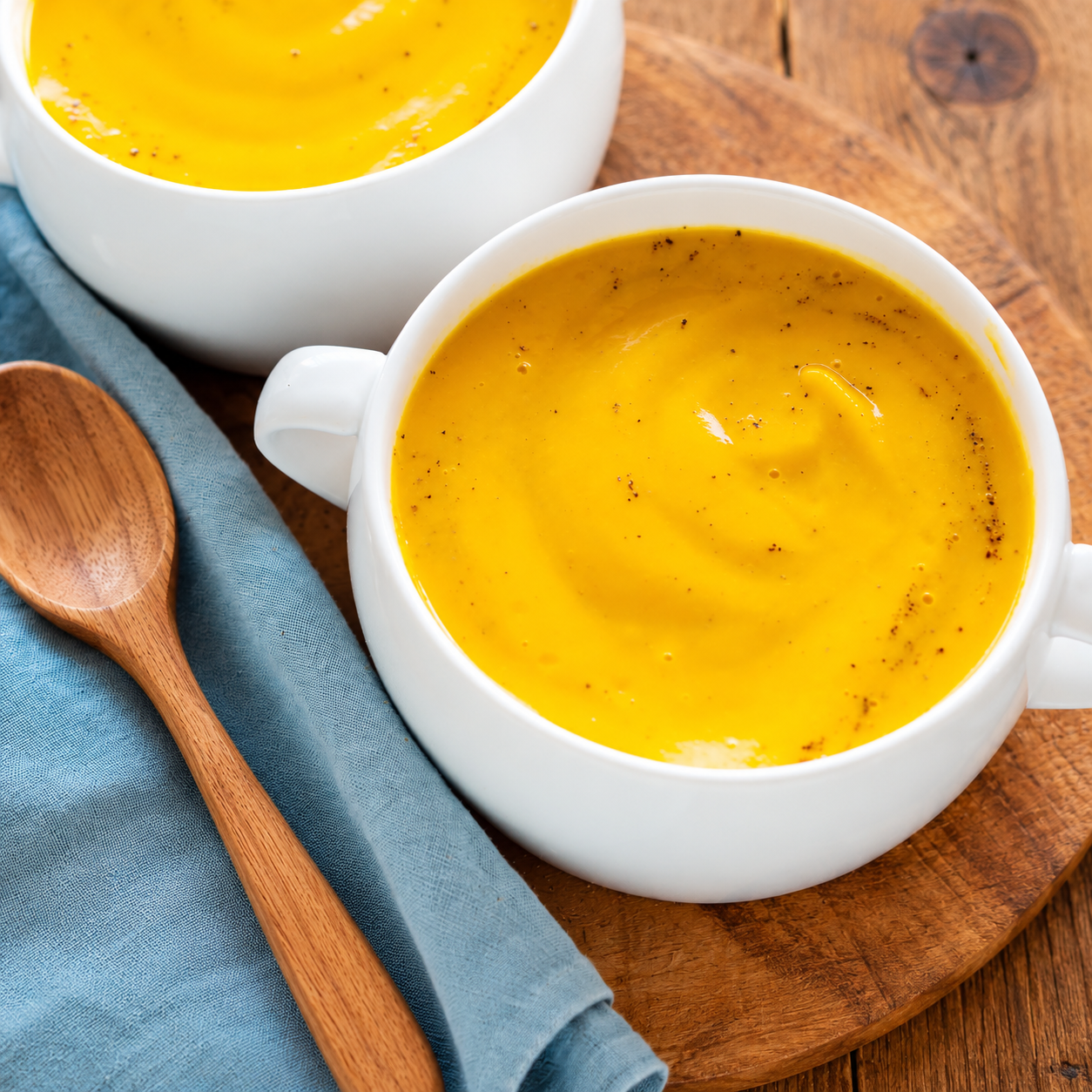
Eat: Roasted, mashed, in soups, as fries. Included in the anti-inflammatory meal prep guide and the chicken dinners post — it is one of the most versatile and impactful ingredients for skin in any kitchen.
6. Green tea — liquid antioxidants
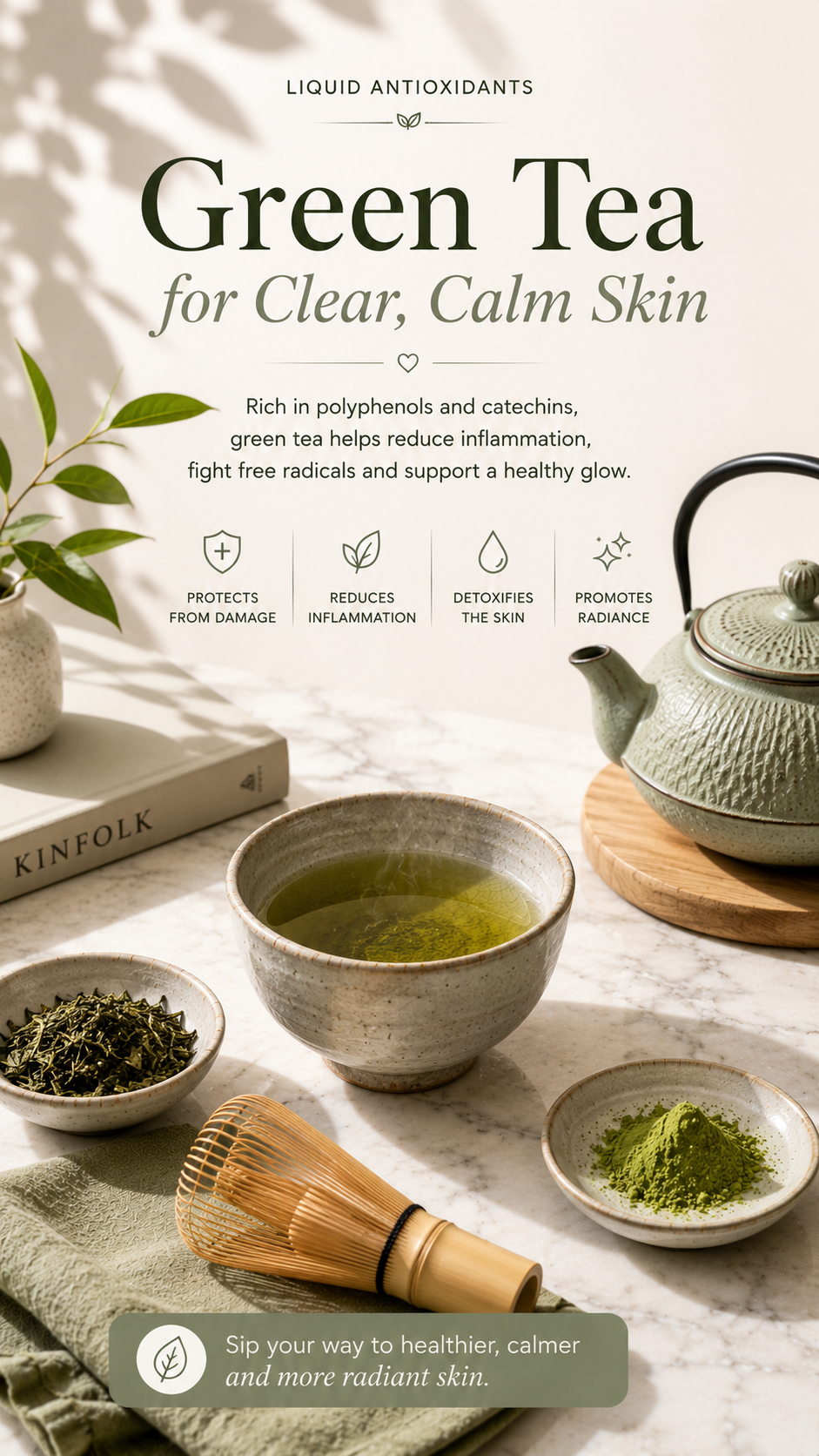
Key nutrients: EGCG, L-theanine, polyphenols, catechins
EGCG — the primary active compound in green tea — inhibits enzymes that degrade collagen and elastin, protects against UV-induced DNA damage, reduces inflammatory cytokines that cause redness, and supports skin hydration.
A clinical trial found that women who drank green tea daily for 12 weeks showed significant improvements in skin elasticity, hydration, and surface roughness.
L-theanine — the amino acid unique to tea — supports cortisol regulation. High cortisol degrades collagen, disrupts the skin barrier, and triggers sebum overproduction. If you have read the cortisol guide, you already know how significant this is. Green tea addresses the skin problem from two angles: the antioxidants protect directly, and the L-theanine reduces the cortisol driving the damage.
Drink: 2–3 cups of matcha or green tea daily. Matcha contains approximately 3x the EGCG of regular steeped green tea. Add to smoothies, make lattes, drink hot or cold.
7. Tomatoes — the cooked antioxidant
Key nutrients: Lycopene, vitamin C, potassium, folate
Tomatoes have an unusual property: their primary active compound — lycopene — is significantly more bioavailable when cooked than when eaten raw. Cooking breaks down cell walls and releases lycopene in a form the body absorbs more effectively. Adding olive oil increases absorption further (lycopene is fat-soluble).
A study in the British Journal of Dermatology found that participants who ate tomato paste daily for 12 weeks had significantly higher protection against UV-induced skin damage. Lycopene accumulates in skin tissue and quenches the free radicals generated by UV exposure before they can break down collagen.
Eat: Cooked cherry tomatoes, tomato sauce, roasted tomatoes with olive oil. The sheet pan roasted vegetables in the meal prep guide include cherry tomatoes — the roasting increases lycopene bioavailability while making them delicious.
8. Nuts and seeds — the mineral matrix
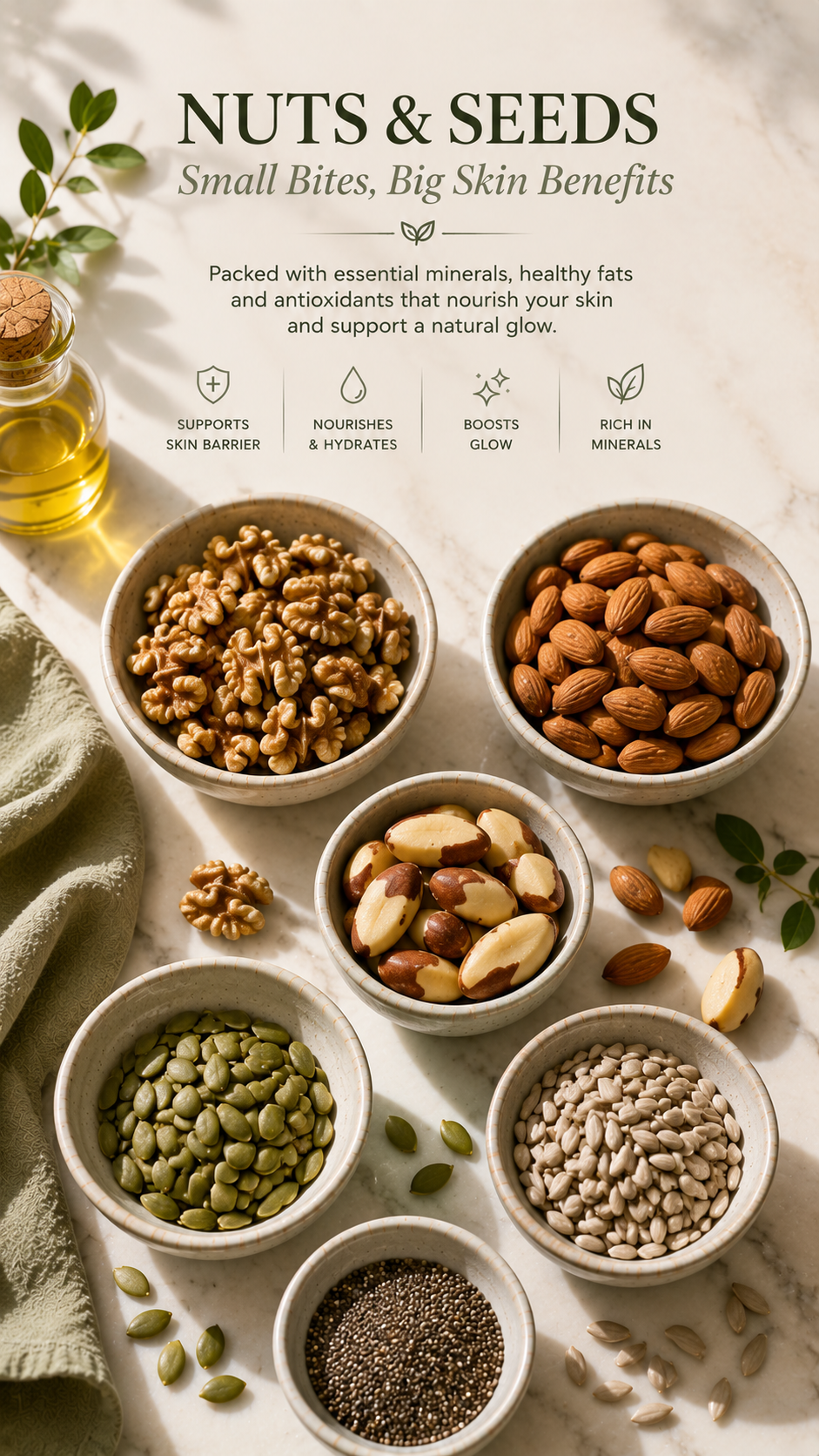
Key nutrients: Zinc (pumpkin seeds), selenium (Brazil nuts), vitamin E (almonds), ALA omega-3 (walnuts), copper (cashews)
Different nuts cover different skin-critical nutrients:
Walnuts — the only nut with significant omega-3 content. Two tablespoons provides more ALA than most people eat in a day.
Pumpkin seeds — one of the richest plant sources of zinc. Zinc deficiency is strongly associated with acne and skin inflammation. Zinc regulates sebum production and supports wound healing.
Brazil nuts — just two per day provides the optimal daily selenium intake. Selenium works with glutathione (your body’s master antioxidant) to protect skin cell membranes. More than two Brazil nuts daily is counterproductive — selenium becomes toxic in excess.
Almonds — the highest vitamin E content of any nut. One handful provides nearly half your daily vitamin E requirement.
Eat: A mixed handful daily. Scatter over overnight oats, add to grain bowls, eat as a snack with fruit.
9. Bone broth and collagen-supporting foods
Key nutrients: Glycine, proline (collagen precursor amino acids), gelatin
Collagen molecules in broth are broken down by digestion and do not reach your skin intact. What does reach your skin is the amino acid profile: specifically glycine and proline, which your body uses to synthesise new collagen. Glycine is the most abundant amino acid in collagen and most modern diets are low in it.
Adding bone broth, slow-cooked meats, or supplemental collagen peptides provides these precursors. If you take a collagen peptide supplement, take it with a vitamin C-rich food — vitamin C is the co-factor collagen synthesis requires.
Eat: Bone broth as a base for soups or to cook grains, slow-cooked meats. Collagen peptide powder in coffee or smoothies.
10. Water — the foundation
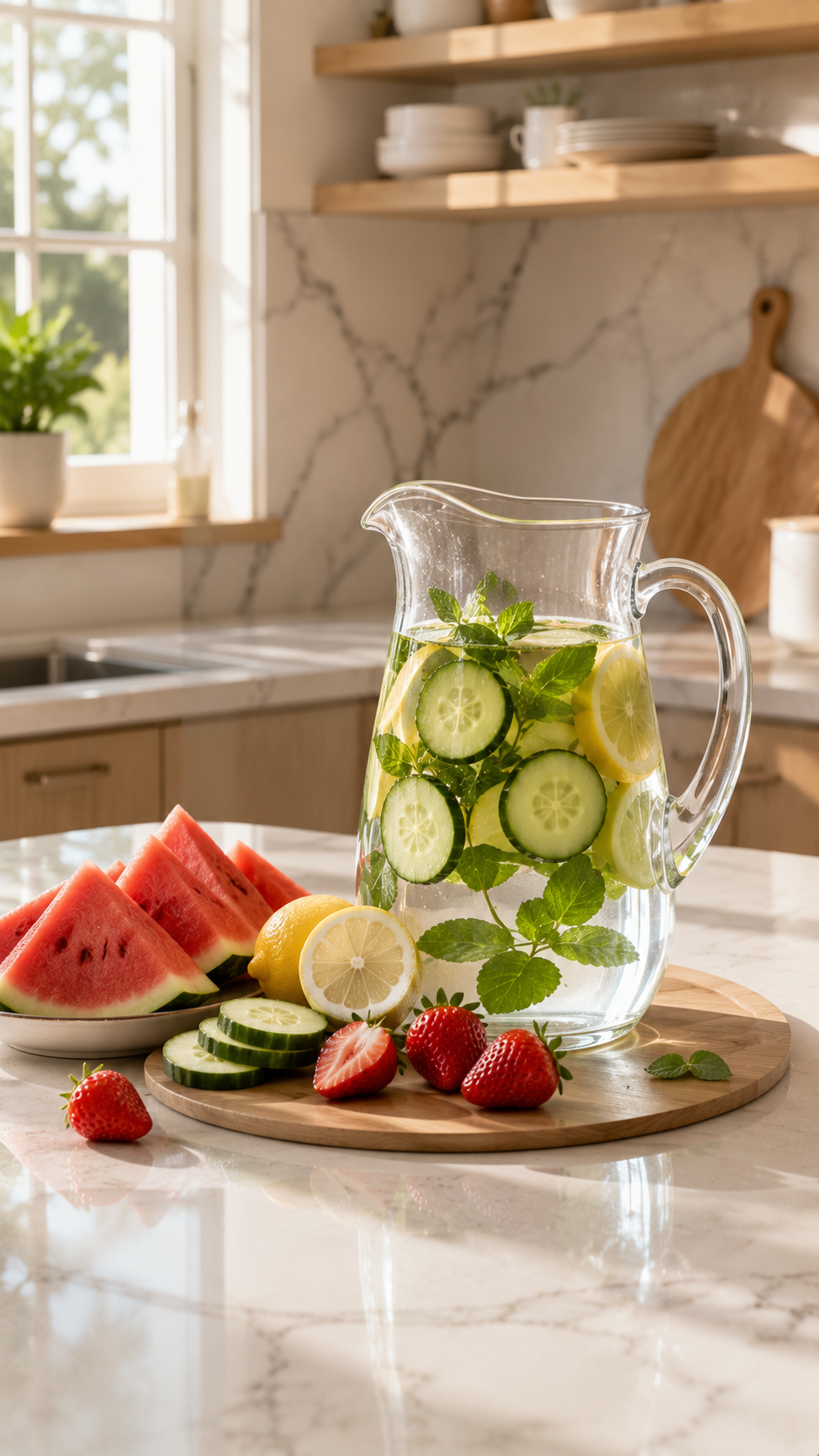
Key nutrient: Hydration
Skin cells are approximately 70% water. When adequately hydrated, they are plump, light-reflective, and structurally sound. When dehydrated, they are flat and dull, and fine lines become more visible.
Hydration changes show on skin within days — faster than any other dietary intervention. Most people chronically underdrink and do not connect their water intake to how their skin looks.
Target: Approximately 35ml per kilogram of body weight daily, adjusted upward for heat, exercise, or alcohol.
Hydrating foods that also deliver skin nutrients: cucumber (96% water), watermelon, zucchini, celery, strawberries.
What a glass skin day looks like
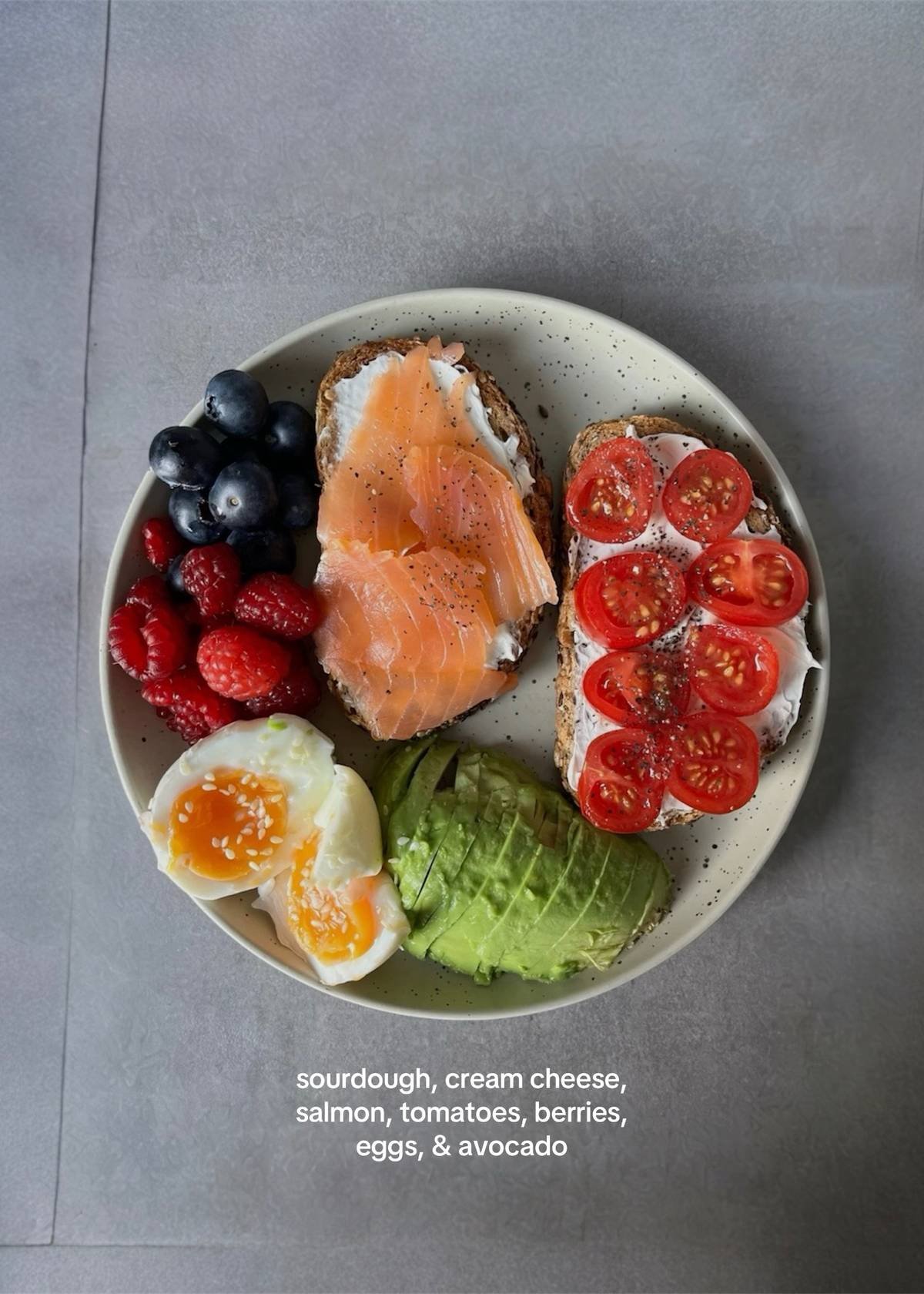
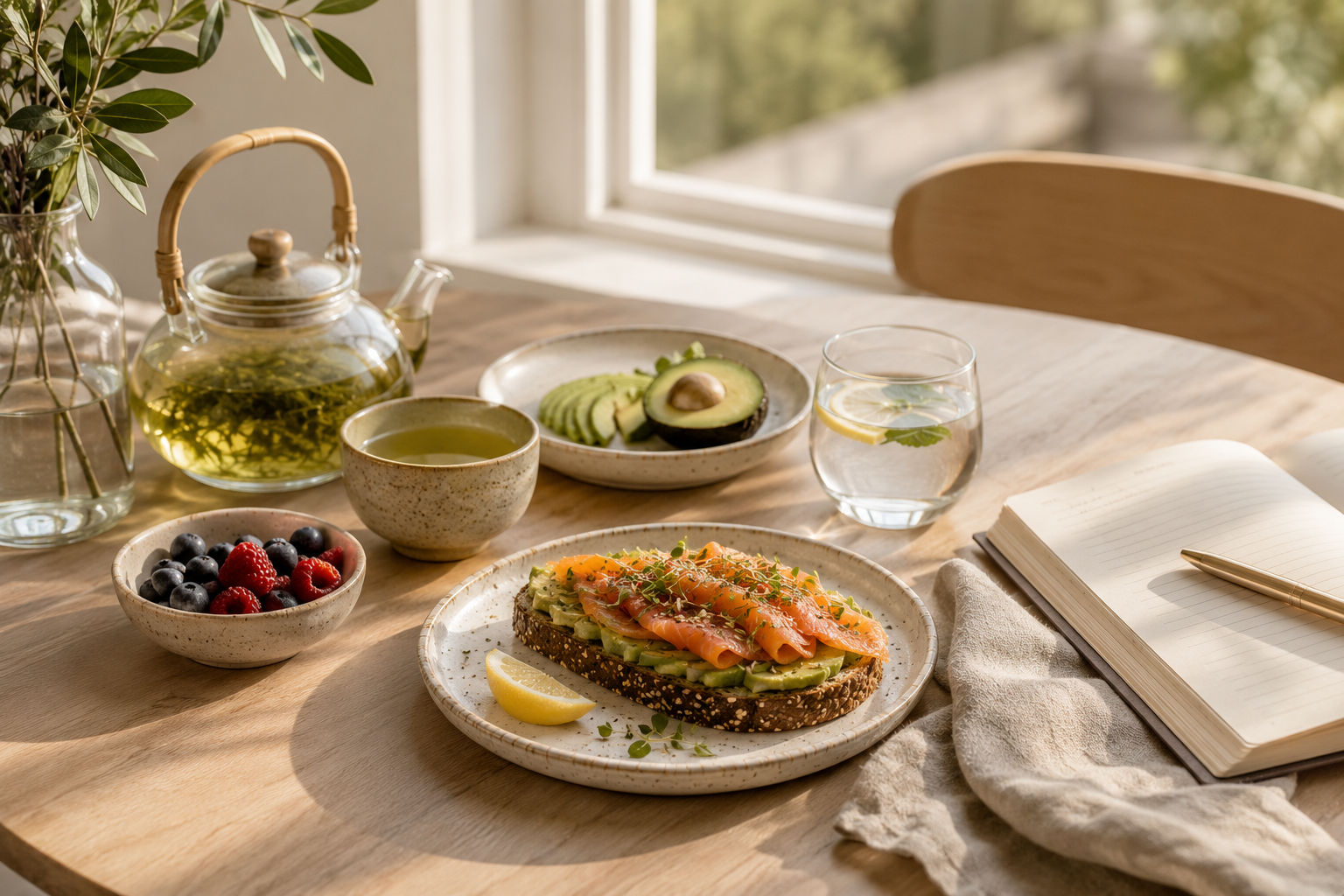
Morning: Protein smoothie with frozen spinach, mixed berries, flaxseed, and almond milk plus half an avocado on toast.
Midday: Large bowl with dark greens, roasted sweet potato, salmon or chickpeas, pumpkin seeds, and olive oil dressing.
Afternoon: Green tea or matcha plus a small handful of mixed nuts including two Brazil nuts.
Evening: Chicken or salmon with roasted tomatoes and a side of greens.
None of this requires daily effort if the meal prep is in place. The anti-inflammatory meal prep guide covers the roasted sweet potato, salmon, greens, and grain base in one 90-minute Sunday session.
What to reduce
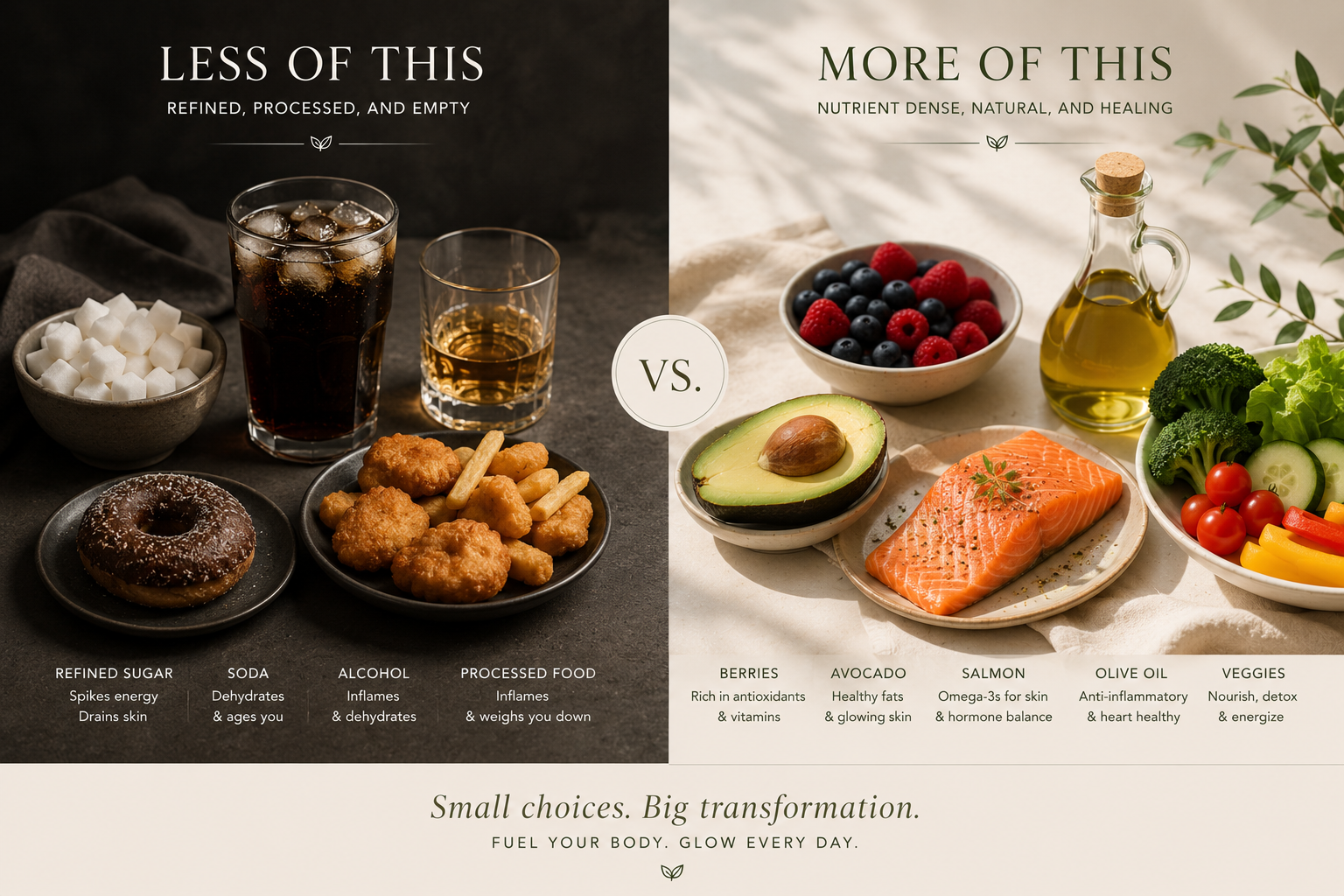
Sugar: Glucose attaches to collagen through glycation, creating advanced glycation end products that make collagen stiff and brittle. This is one of the primary dietary mechanisms of skin ageing.
Refined seed oils in excess: Sunflower, corn, and soybean oils are high in omega-6 fatty acids, which in excess compete with omega-3s and drive chronic inflammation. Replace with olive oil and avocado oil.
Alcohol: Dehydrates, depletes zinc and B vitamins, raises cortisol, and in regular significant quantities measurably affects skin texture, redness, and barrier function.
Dairy (for some people): Conventional dairy has been associated with acne in research, likely due to its insulin-stimulating effect. Highly individual — worth experimenting if acne is a concern.
Timeline for visible results
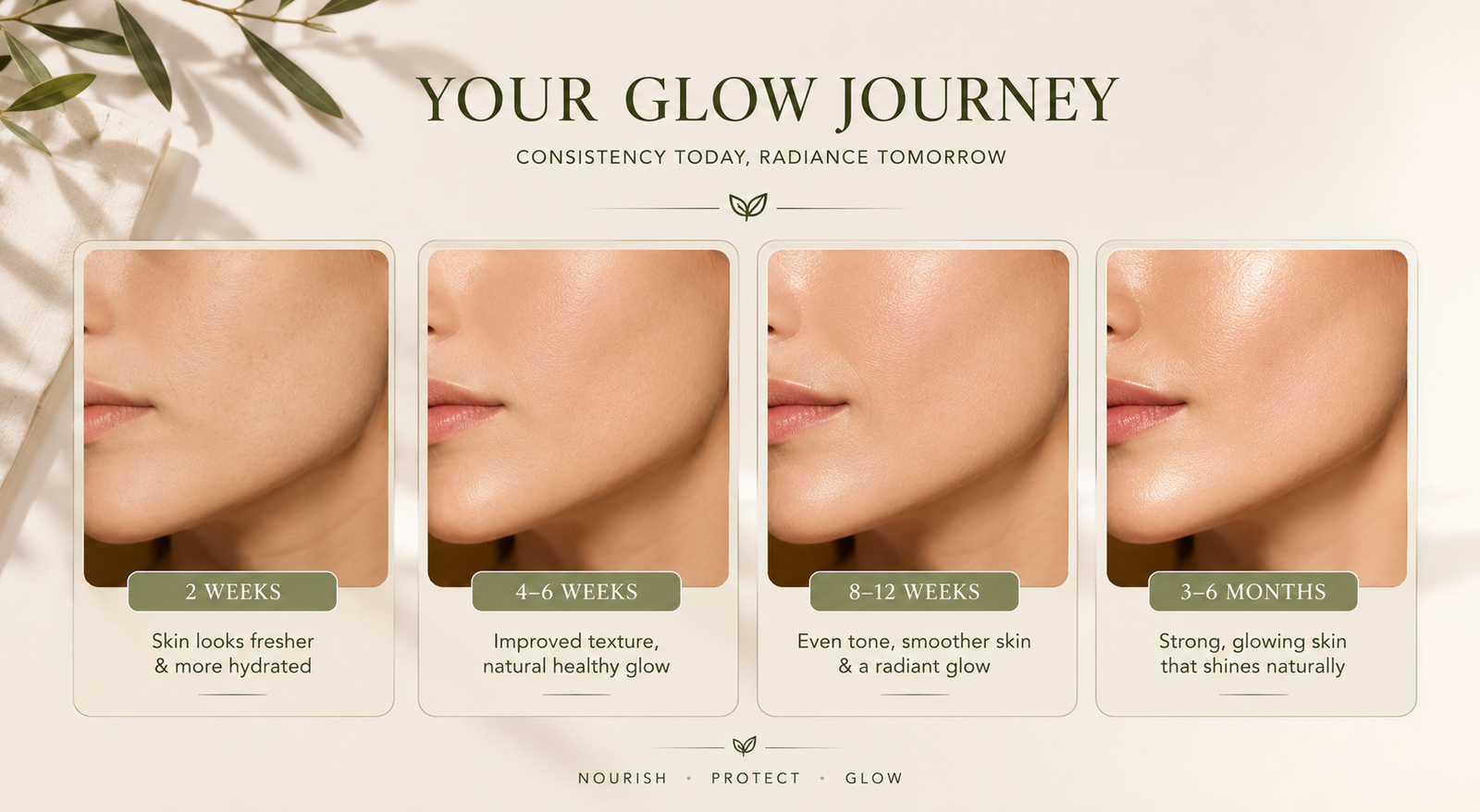
2 weeks: Hydration improvements show first. Skin looks more plump, fine lines softer.
4–6 weeks: Improved barrier function, reduced inflammation. Less redness, fewer breakouts, more even tone beginning to emerge.
8–12 weeks: The beta-carotene glow becomes visible. Vitamin C brightening effect. Dark spots begin fading.
3–6 months: Full collagen support effect. Skin firmness and elasticity noticeably improved.
The timeline is longer than topical skincare because you are changing the raw material your skin cells are made of. The changes are more fundamental and more lasting.
FAQs: Foods for glass skin
Do I need to eat all of these every day? No. Think about coverage across the week, not perfection at each meal. Fatty fish three times a week, berries and leafy greens daily, avocado most days, nuts as daily snacks. The meal prep system makes most of this automatic.
Can supplements replace the foods? Partially. A quality omega-3, vitamin C, collagen peptide, and zinc can fill specific gaps. But whole foods contain cofactors, fibre, water, and synergistic compounds that isolated supplements do not replicate.
What if I have oily or acne-prone skin? The anti-inflammatory foods above help with acne as much as with dry skin. Omega-3s and zinc have strong evidence for reducing acne severity. The foods to reduce — sugar, high-glycaemic foods, conventional dairy — are the more important intervention for oily or breakout-prone skin.
Is green tea actually worth it? Yes. Multiple randomised controlled trials show measurable skin improvements from regular green tea consumption. Matcha, which contains the whole tea leaf ground to powder, has approximately 3x the EGCG of regular green tea and is the higher-impact version.
One last thing
Glass skin is something you build — through consistent hydration, consistent nutrition, consistent sleep, and consistent low-inflammation living.
The skincare routine matters. The correct product order matters. The SPF matters. But none of it works at full capacity if the cells producing your skin are working with depleted or inflammatory raw materials.
Feed your skin from the inside. Let the topical routine seal and protect what you have built. That combination is what actually creates the skin you are looking for.
It takes longer than a weekend. It is worth every week.
For the skincare side — here is the glass skin beginner routine using only drugstore products, and the exact AM/PM routine order that makes every product work better.
For the meals that deliver most of these nutrients in one session — here is the anti-inflammatory meal prep guide: 5 recipes, one Sunday, the whole week sorted.
For the stress-skin connection — here is how cortisol affects your skin, your hormones, and what to eat to address it.
© Polia.blog — Written with love and honesty, always.
Related posts:
 🍇 20 Must-Eat Berries: Health Benefits, Recipes & Storage Hacks! 🍓
 10 High-Protein Snacks Under 200 Calories: Fuel Your Day Without the Guilt
 The 10 Perfect Bedtime Self Routine That Changed My Life (+ Pro Tips!): A Step-by-Step Guide
 Mental & Emotional Exhaustion: 10+ Crucial Warning Signs You Must Not Ignore